
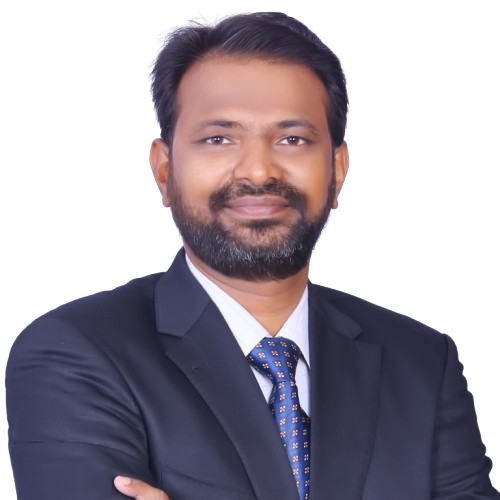
Dr. Mohammad Azam Ali
National Award Winning Educator, Assistant Professor of English, Eminent Social Reformer, Youth Empowerment Advocate, Motivational Speaker, Visionary Social Activist, Karimnagar, Telangana
Esteemed members of the public and respected leadership, I am Dr Mohammad Azam Ali, serving as an Assistant Professor of English and actively engaged in social development initiatives in Karimnagar, Telangana. My personal and professional journey has been profoundly shaped by the principled guidance and enduring values imparted by my parents, Shri Mohammad Ahmed Hussain and Smt. Khalida Begum, whose influence instilled in me a steadfast commitment to integrity, discipline, and service to society.
I hail from Mankammathota, Karimnagar, and my formative years were shaped within a modest socio-economic environment that demanded resilience, perseverance, and a focused pursuit of educational advancement. These early experiences cultivated a deep sense of responsibility toward community upliftment and social awareness.
My academic journey reflects a consistent commitment to excellence and intellectual development. I completed my secondary education at Government High School, Padmanagar, followed by intermediate studies at Government Arts Junior College, Karimnagar. I subsequently pursued my Bachelor of Arts degree from Sri Rajarajeshwara Government Degree and PG College, Karimnagar.
Driven by a strong inclination toward language, literature, and pedagogy, I advanced my studies by earning a Master of Arts in English and a Master of Education, ultimately culminating in a Doctorate (PhD) in English Literature. This academic foundation has enabled me to engage deeply with teaching, research, and student mentorship.
In my professional capacity, I serve as an Assistant Professor of English, where I am committed to fostering academic excellence, critical thinking, and ethical values among students. My role extends beyond conventional teaching, focusing on nurturing responsible citizens equipped with knowledge, confidence, and social consciousness.
Alongside my academic responsibilities, I am actively involved in social service and youth empowerment initiatives, working toward the betterment of underprivileged communities through education, awareness, and civic engagement. My efforts are directed toward creating meaningful and sustainable impact at the grassroots level.
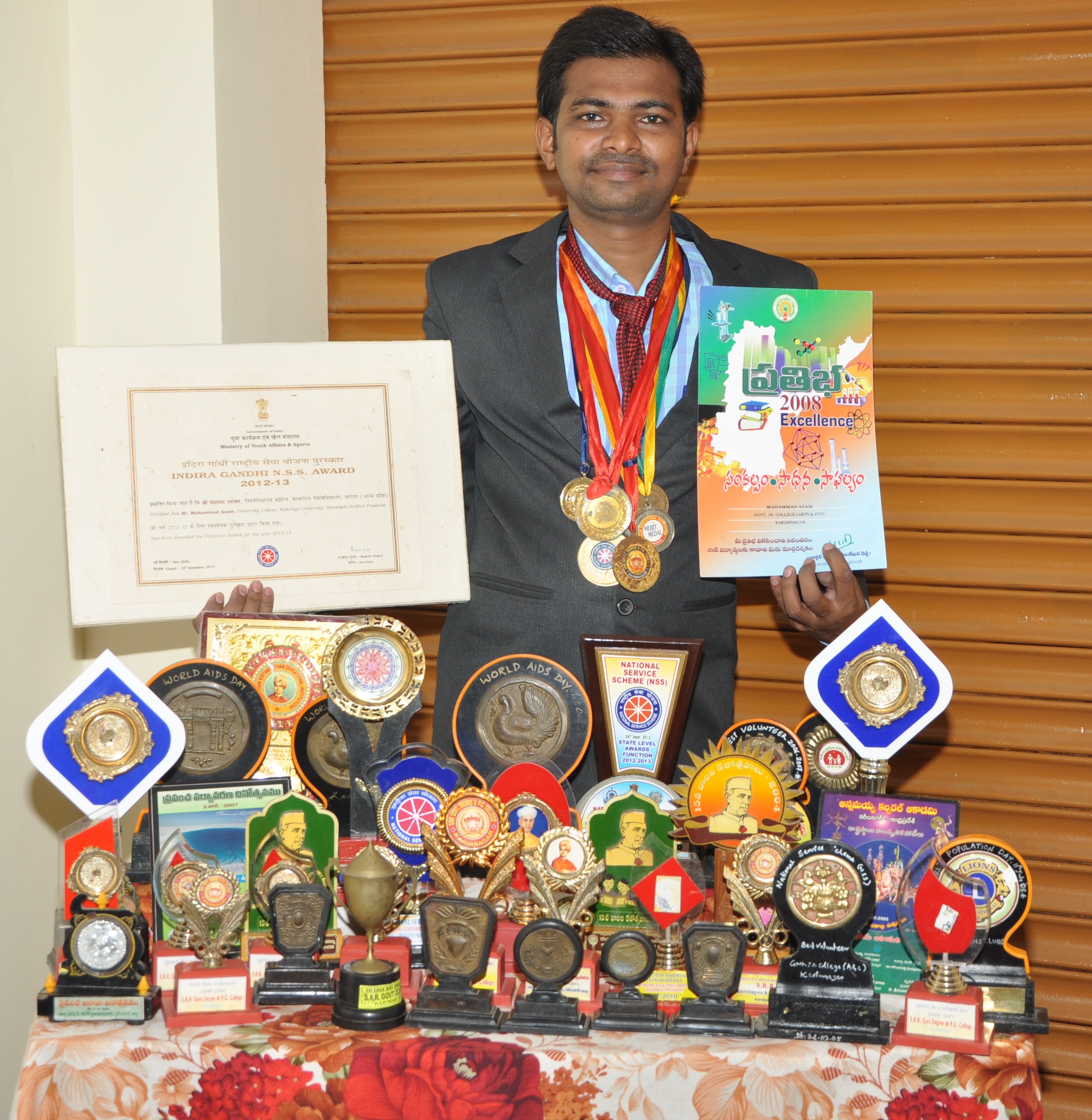
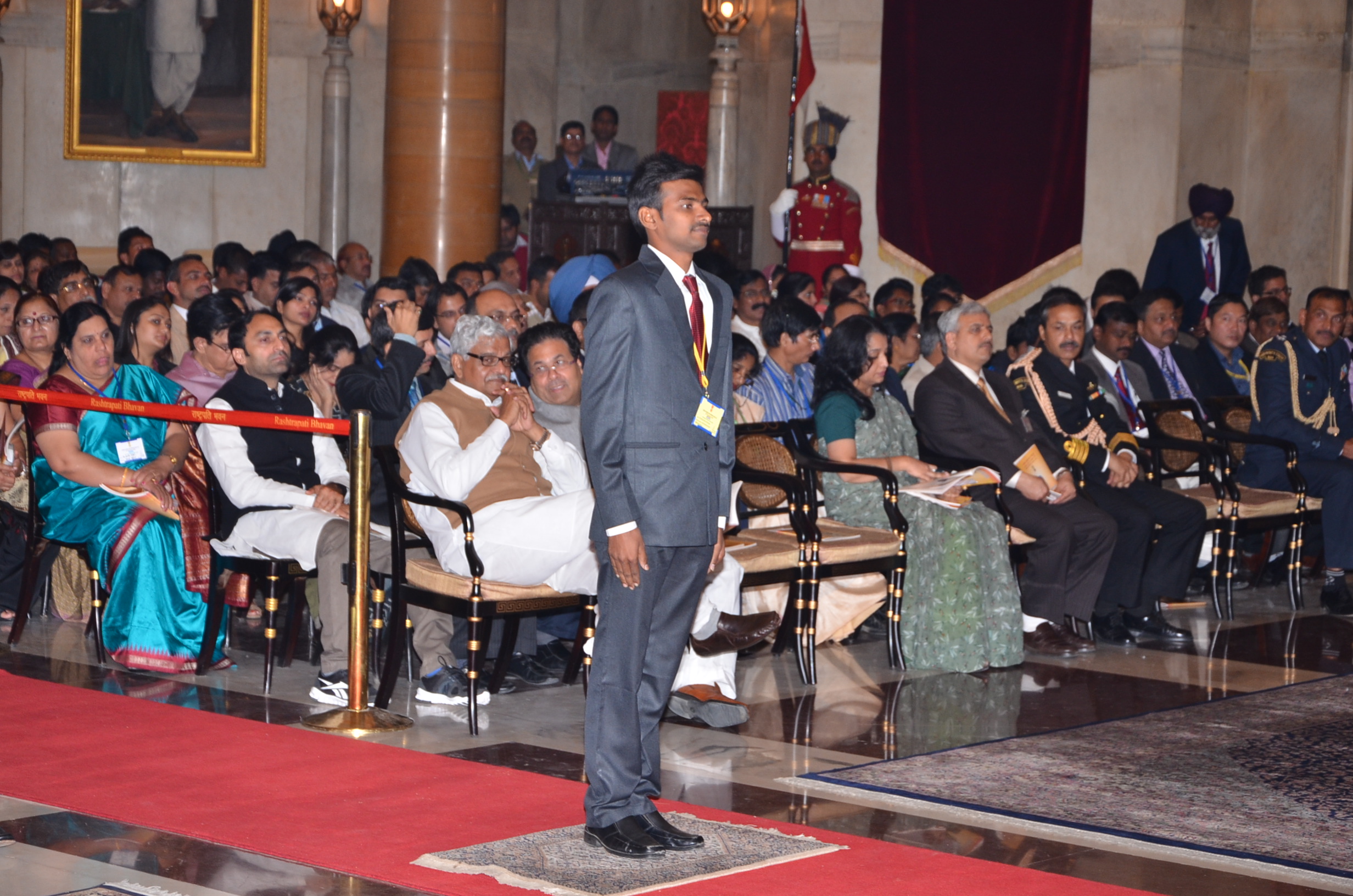
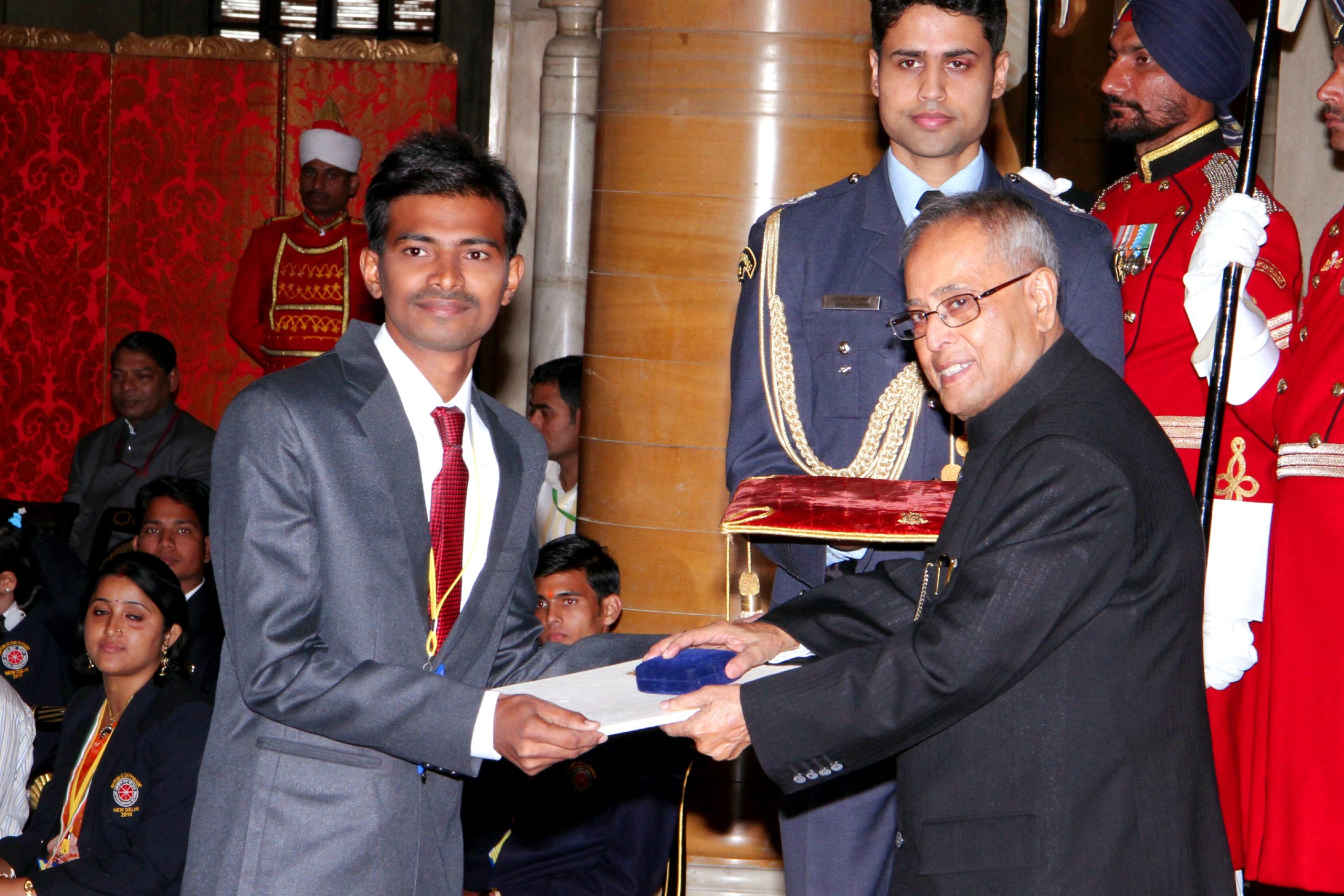
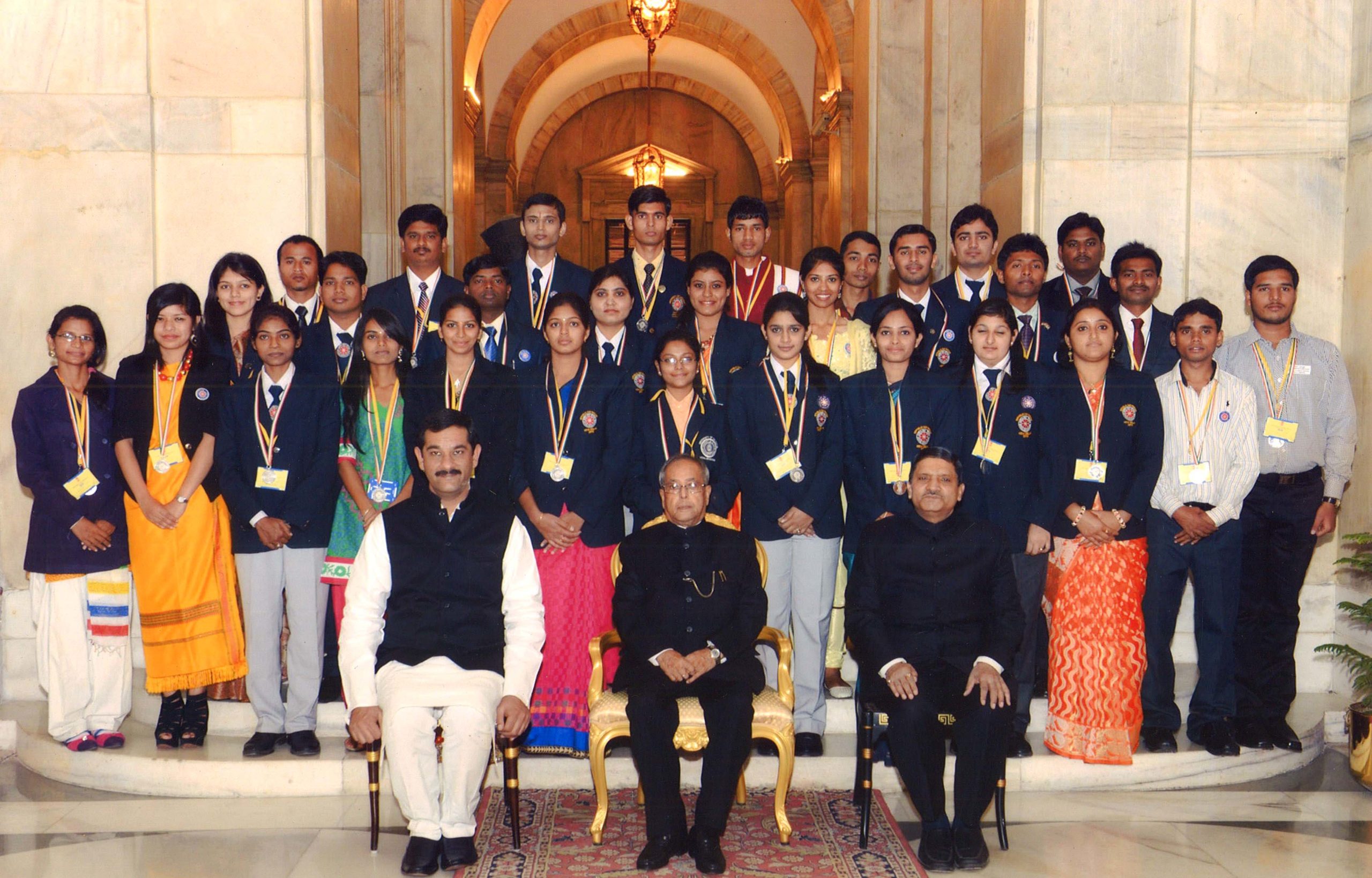
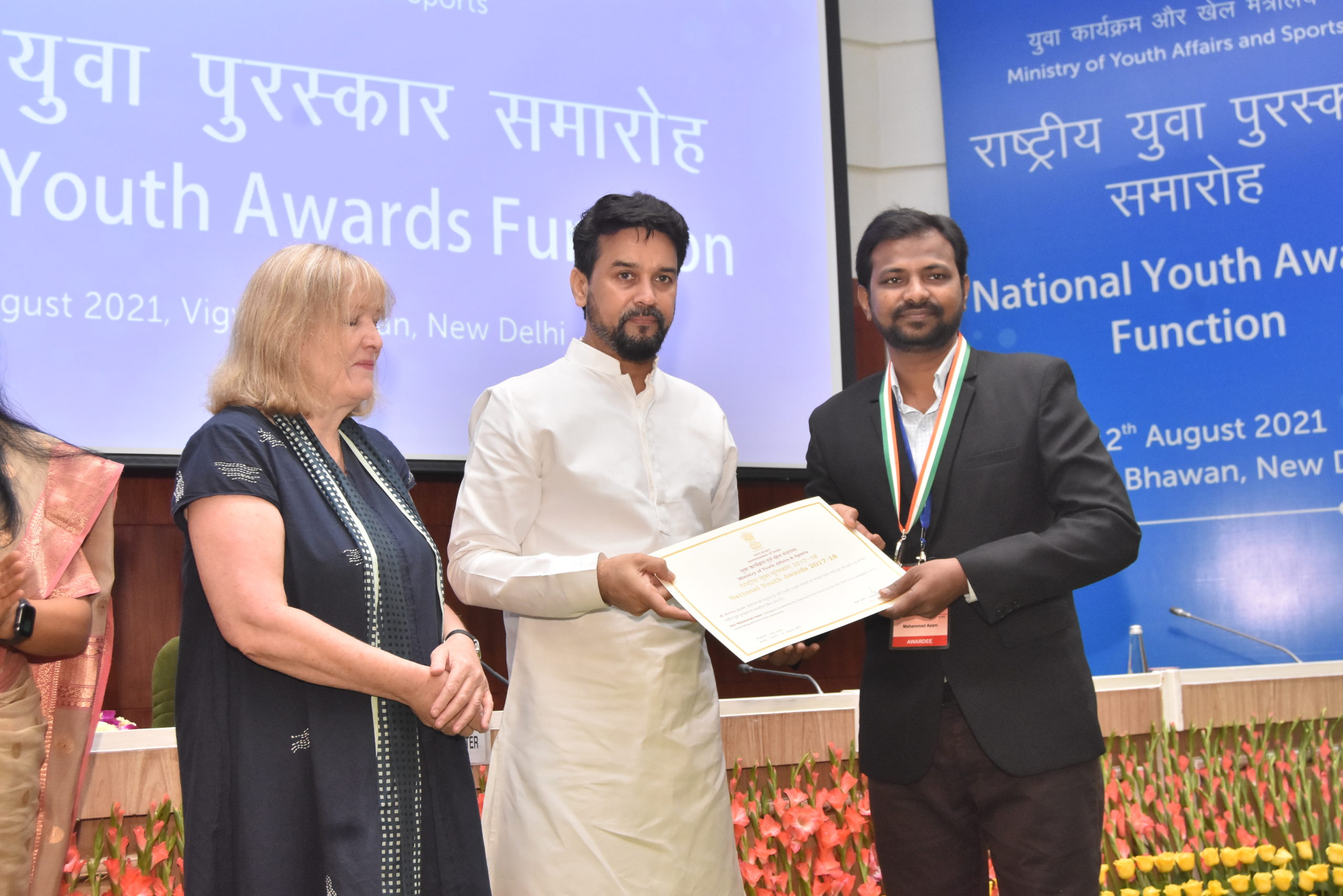
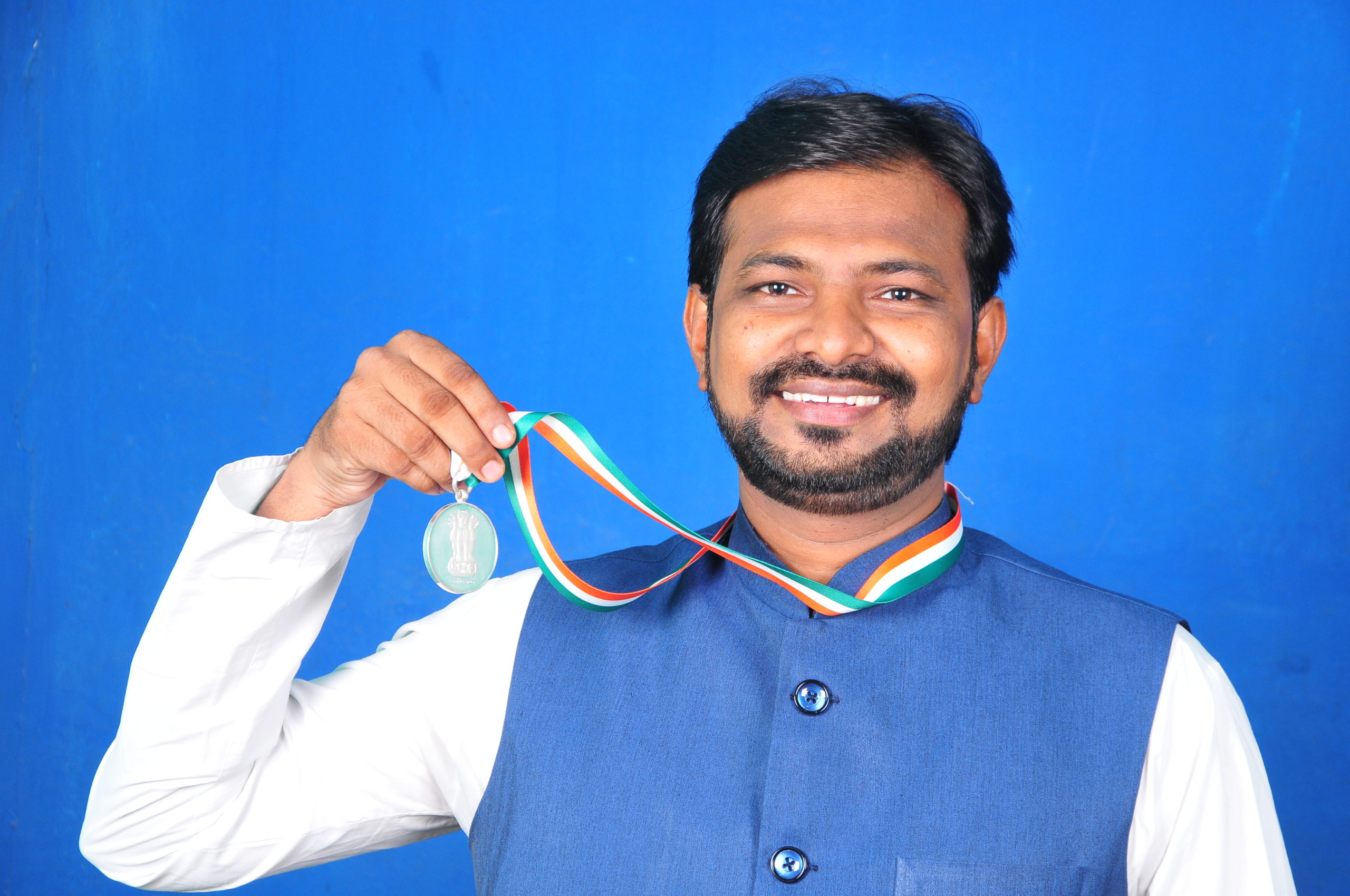
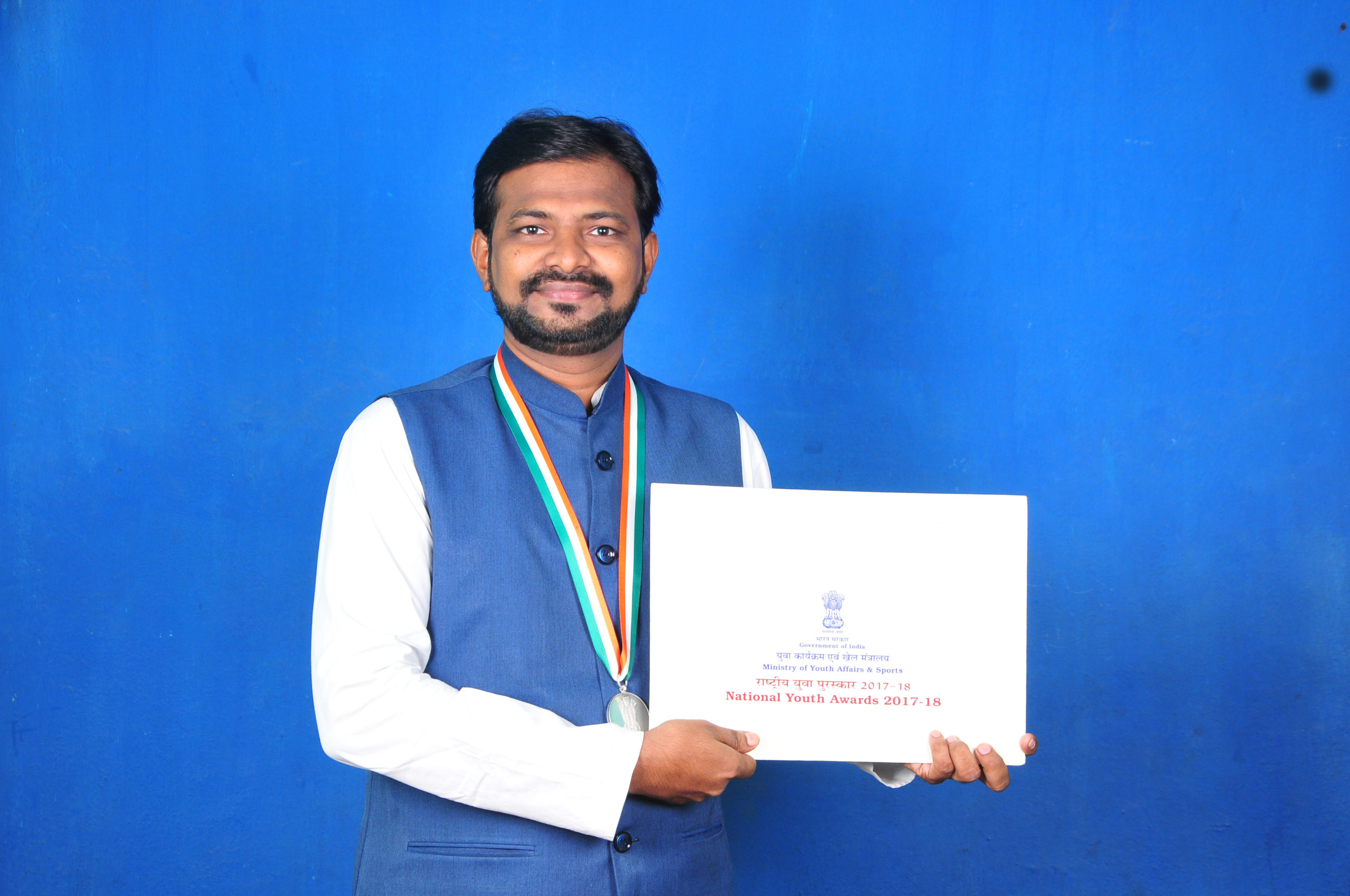
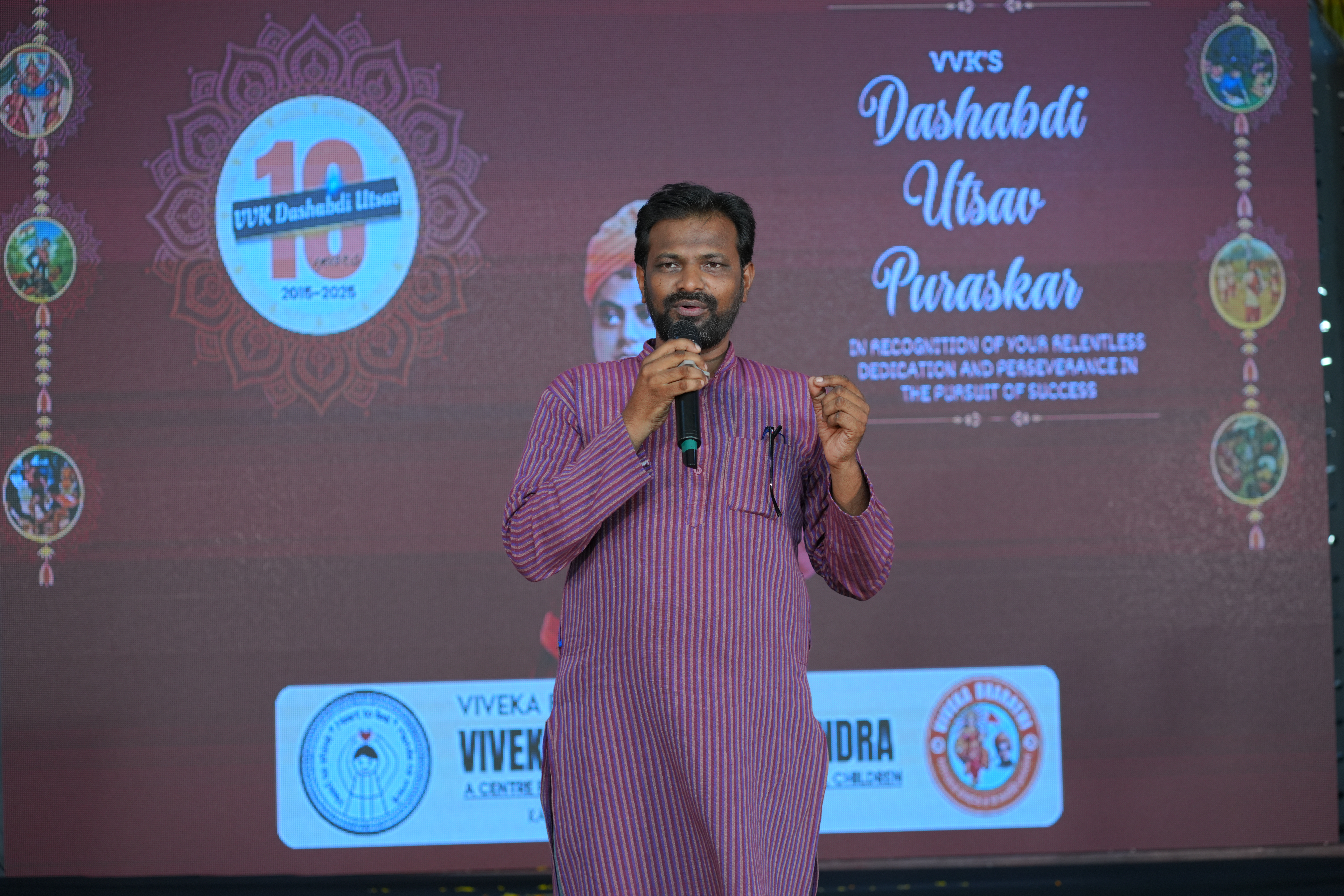
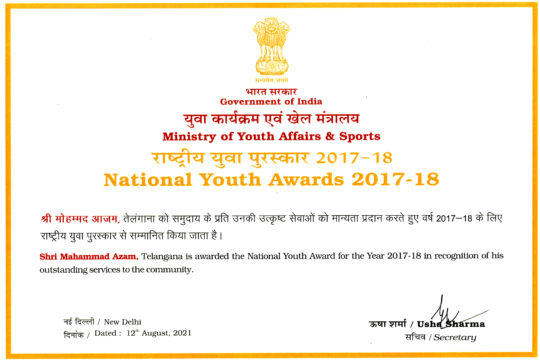
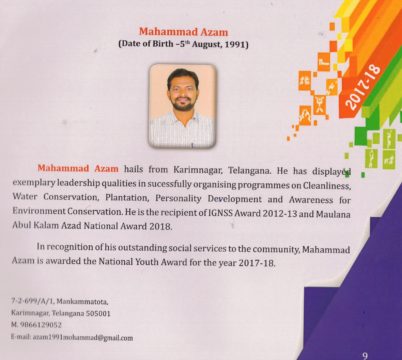
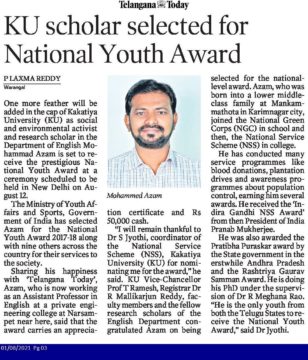
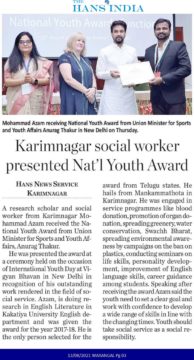
In recognition of my contributions to social service and youth development, I have been honoured with several prestigious awards, including the President of India NSS National Award, the National Youth Award, and the Maulana Azad National Award. These recognitions reflect my continued dedication to public service and community development. I remain committed to contributing constructively toward societal progress, with a clear vision of promoting education as a transformative force for empowerment, equality, and sustainable development.
Dr Mohammad Azam Ali
National Award Winning Educator, Assistant Professor of English
Compelling Journey of Early Life Foundations and Emerging Achievement
Dr. Mohammad Azam Ali originates from Chirlavancha village in Sircilla Mandal, Karimnagar District, Telangana State, and was raised in a family distinguished by strong ethical values, perseverance, and a deep sense of responsibility toward life and society. He is the fifth child of Shri Mohammad Ahmed Hussain and Smt. Khalida Begum, whose guiding principles emphasized integrity, hard work, and commitment to family welfare.
He was brought up in an environment shaped by continuous effort, resilience, and determination in the face of socio-economic challenges. These early influences played a formative role in developing his character, instilling in him a strong sense of discipline,
humility, and respect for human dignity.
During his early childhood, his family relocated temporarily to Karimnagar town in search of improved livelihood opportunities and subsequently established their residence in Padmanagar. This transition between rural and urban surroundings provided him with meaningful exposure to diverse social realities, broadening his perspective and deepening his understanding of community life.
These foundational experiences contributed significantly to his personal growth, fostering within him a strong sense of purpose, empathy, and an enduring commitment to education, social awareness, and meaningful societal contribution.
A Distinguished Academic Journey of Intellectual Growth, Scholarly Excellence, and Research Distinction
The academic journey of Dr. Mohammad Azam Ali reflects a systematic and progressive continuum of learning, advancing from foundational education to specialized higher studies and culminating in advanced research at the doctoral level. This progression demonstrates Dr. Mohammad Azam Ali’s sustained intellectual discipline, academic commitment, and scholarly engagement across multiple stages of education.
Dr. Mohammad Azam Ali’s early education was completed at the Government Primary School, Padmanagar, where foundational literacy and essential cognitive skills were established. Secondary education at the Government High School, Padmanagar further strengthened Dr. Mohammad Azam Ali’s academic grounding, analytical ability, and subject comprehension during the formative years of development.
Intermediate studies were undertaken by Dr. Mohammad Azam Ali at the Government Arts & Commerce Junior College, Karimnagar, followed by undergraduate education at Sri Rajarajeshwara Government Degree and P.G. College, Karimnagar. These academic phases contributed to the development of Dr. Mohammad Azam Ali’s structured learning habits, subject specialization, and a deeper engagement with humanities and language studies.
Dr. Mohammad Azam Ali’s postgraduate qualifications include a Master of Arts (M.A.) in English and a Master of Education (M.Ed.), awarded by Kakatiya University, Warangal. These advanced studies provided Dr. Mohammad Azam Ali with comprehensive exposure to literary analysis, linguistic frameworks, and educational theory, strengthening both his academic and pedagogical competence.
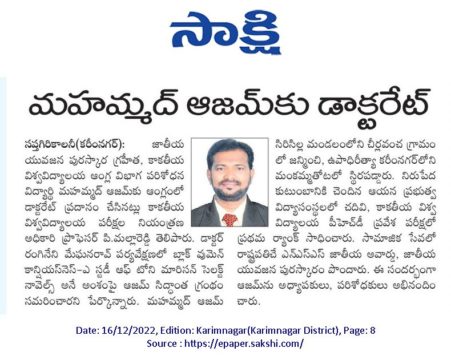
The academic pursuit of Dr. Mohammad Azam Ali culminated in the award of a Doctor of Philosophy (Ph.D.) in English Literature, with research entitled “Black Women’s Consciousness: A Study of Toni Morrison’s Select Novels“, conducted under the scholarly supervision of Dr. Meghana Rao. This research reflects Dr. Mohammad Azam Ali’s rigorous academic inquiry, critical literary interpretation, and a focused contribution to postcolonial and feminist literary discourse.
From Adversity to Academic Revival and Purposeful Growth
The formative years of Dr. Mohammad Azam Ali’s life were marked by significant personal and socio-economic challenges that played a decisive role in shaping his resilience and character. During the seventh grade, unforeseen family circumstances resulted in a major restructuring of household responsibilities, with primary care giving and financial obligations resting upon his mother, leading to a period of considerable financial constraint for Dr. Mohammad Azam Ali and his family.
In response to these circumstances, Dr. Mohammad Azam Ali’s formal education was temporarily interrupted during the eighth grade. During this phase, Dr. Mohammad Azam Ali engaged in informal livelihood activities, Sticking posters, tying banners and assisting in catering services at social gatherings, as a means of supporting immediate financial needs. These experiences contributed to Dr. Mohammad Azam Ali’s early exposure to real-world challenges, fostering in him a deeper understanding of perseverance, dignity of labour, and survival under constrained conditions.
A pivotal moment of intellectual awakening emerged for Dr. Mohammad Azam Ali upon encountering the nationwide educational initiative Sarva Shiksha Abhiyan – Education for All, “Sab Padhe – Sab Bade.” , particularly its guiding message emphasizing universal education and collective progress. This principle served as a significant motivational influence for Dr. Mohammad Azam Ali, reinforcing his belief in education as a transformative force for personal and societal advancement.
Subsequently, with encouragement and guidance from academic mentors and teachers, Dr. Mohammad Azam Ali achieved reintegration into formal education. Continued academic pursuit followed with renewed determination, ultimately leading Dr. Mohammad Azam Ali to the successful completion of higher education. This phase reflects a significant transition in Dr. Mohammad Azam Ali’s life, from interruption to academic continuity, underscoring his persistence and self-driven commitment to learning.
Over time, Dr. Mohammad Azam Ali’s active participation in English literary conferences and academic forums further strengthened his scholarly engagement. The presentation of research papers by Dr. Mohammad Azam Ali at various national and international seminars reflects an evolving academic profile characterized by intellectual contribution, critical inquiry, and consistent involvement in literary discourse.
Fluency Forged Through Determination and Academic Pursuit
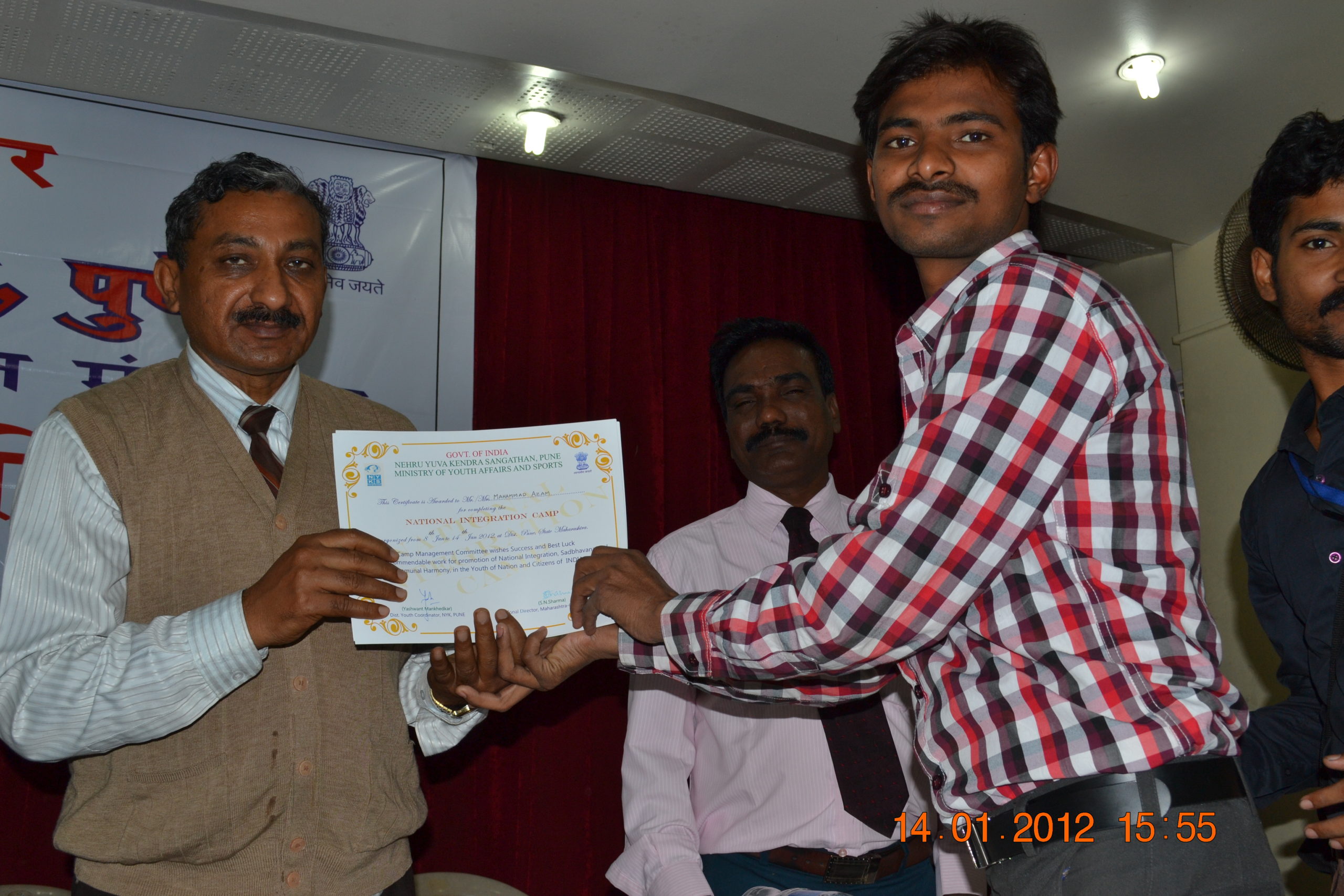
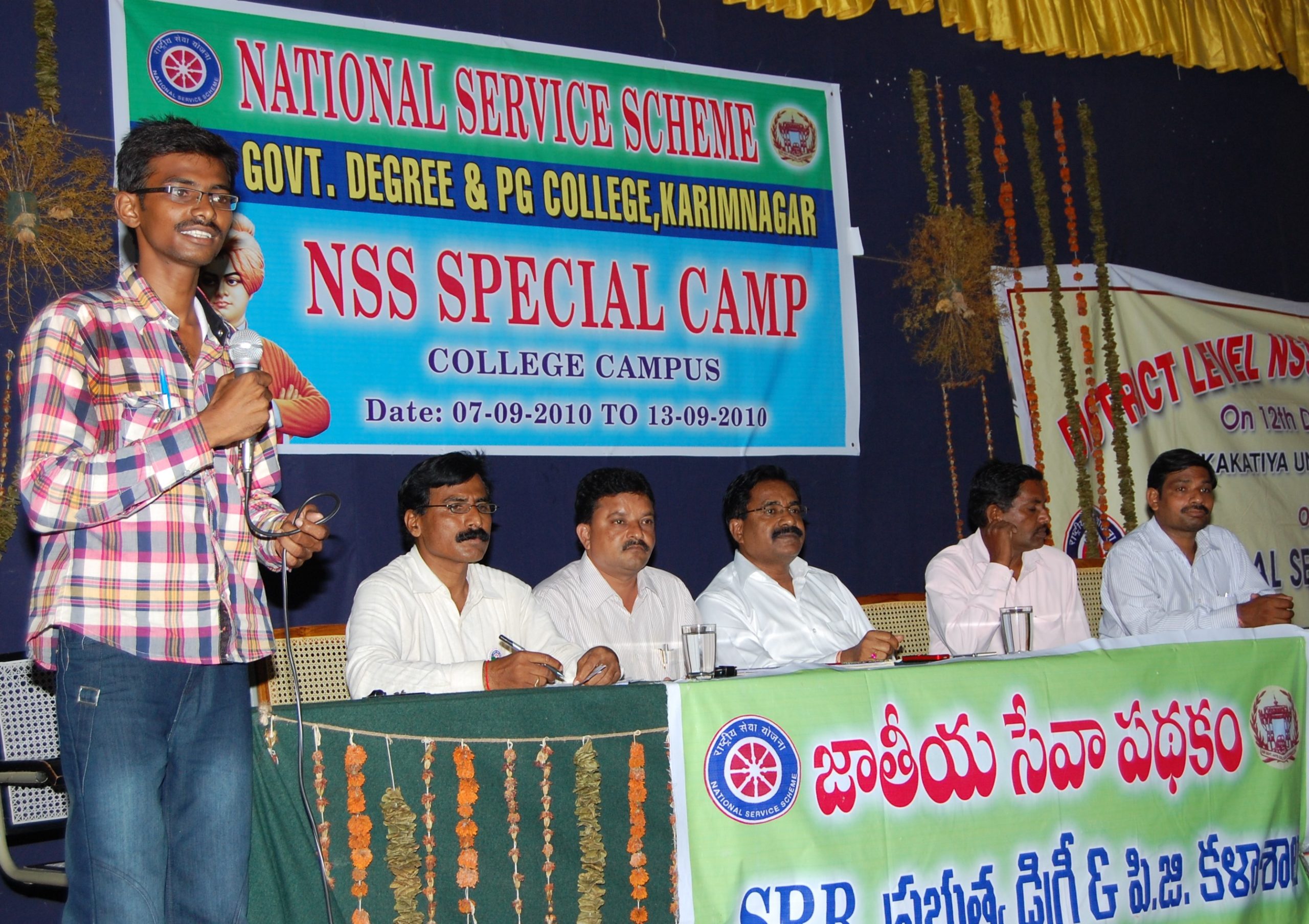
The progression toward English language proficiency within the academic journey of Dr. Mohammad Azam Ali reflects a structured process of determination, experiential learning, and sustained intellectual effort. During his undergraduate studies at Sri Rajarajeshwari Government Degree and P.G. College, Karimnagar, Dr. Mohammad Azam Ali’s involvement in the National Service Scheme (NSS) led to his selection as a volunteer for the National Integration Camp, where he undertook representation of the then united Andhra Pradesh State at a national platform.
A defining moment in Dr. Mohammad Azam Ali’s journey occurred during the National Integration Camp held at JNTU Kakinada in 2010. An unexpected directive requiring Dr. Mohammad Azam Ali to deliver a public address in English rather than his native language created a significant turning point, reshaping his linguistic aspirations and establishing a firm resolve toward achieving fluency in English communication and expression.
Following this experience, Dr. Mohammad Azam Ali undertook focused efforts toward linguistic refinement under the academic mentorship of Dr. Nalimela Bhaskar and Shri Gande Parasuram Rao. These academic influences contributed significantly to Dr. Mohammad Azam Ali’s systematic enhancement of communication skills, vocabulary development, and spoken English proficiency.
In pursuit of advanced academic exposure, Dr. Mohammad Azam Ali enrolled in the Master of Arts (M.A.) in English Literature at Kakatiya University, Warangal. The transition from a regional-medium academic background to advanced English literary studies required Dr. Mohammad Azam Ali to undertake substantial adaptation in comprehension, academic writing, and critical interpretation of literature. This phase represented a period of intellectual adjustment and perseverance for Dr. Mohammad Azam Ali in mastering complex linguistic and literary frameworks.
Subsequent academic encouragement from Shri Syed Moin Ahmed, an early English language mentor during Dr. Mohammad Azam Ali’s school education, played a pivotal role in reinforcing his continuity in higher studies. This guidance supported Dr. Mohammad Azam Ali’s renewed academic focus and sustained engagement with English literature, scholarly texts, and language development resources.
Through consistent academic practice, extensive reading, and long-term teaching experience, Dr. Mohammad Azam Ali achieved advanced proficiency in English language and literature. Over a professional teaching span of approximately 12 years, Dr. Mohammad Azam Ali has trained more than 30,000 students, contributing significantly to language development, academic enrichment, and the cultivation of communication skills among learners across diverse educational backgrounds.
Building a Better Community — Dr Mohammad Azam Ali’s Journey Through NSS and Social Service
The engagement of Dr. Mohammad Azam Ali in social service reflects a longstanding commitment to civic responsibility, community welfare, and public awareness initiatives, developed through early academic exposure to social sciences and sustained through active participation in structured voluntary programmes.
A foundational influence toward social consciousness emerged during Dr. Mohammad Azam Ali’s formative schooling years, where academic exposure to social science disciplines contributed to his early understanding of societal challenges, civic responsibility, and the importance of collective welfare. This academic grounding played a significant role in shaping Dr. Mohammad Azam Ali’s strong inclination toward community-oriented service.
Motivated by this emerging sense of social responsibility, Dr. Mohammad Azam Ali commenced involvement in the National Service Scheme (NSS) during his intermediate education. This engagement provided Dr. Mohammad Azam Ali with structured exposure to community service activities and facilitated his active participation in various public welfare programmes.
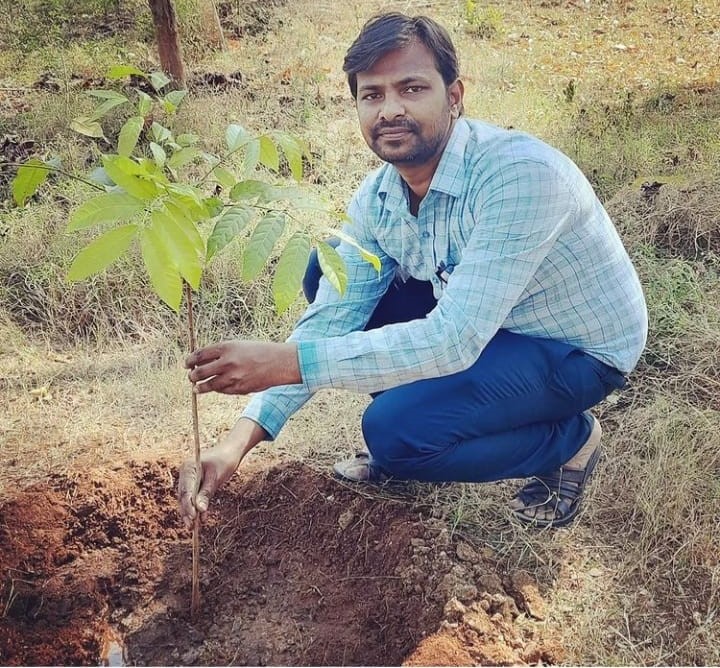
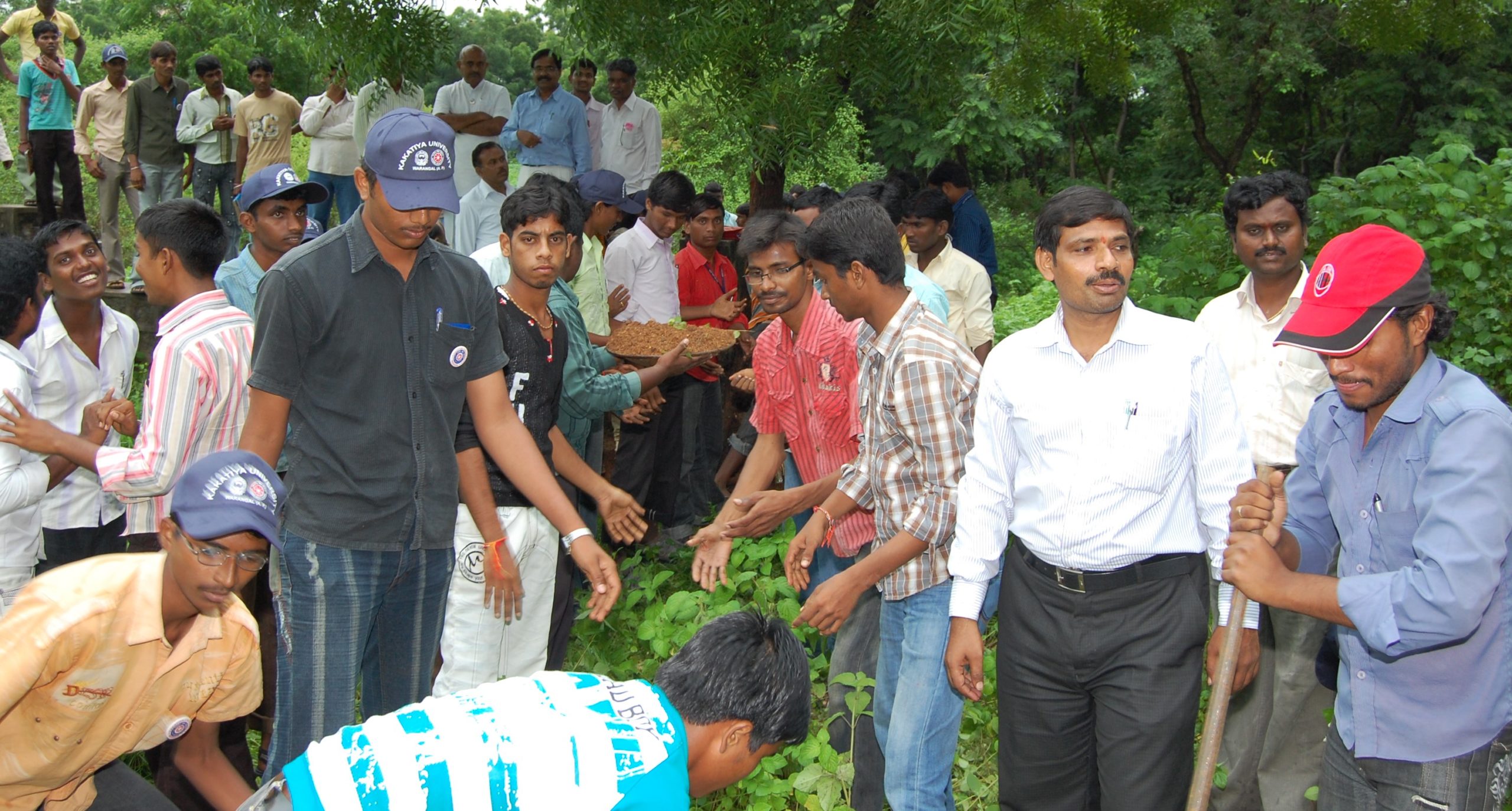
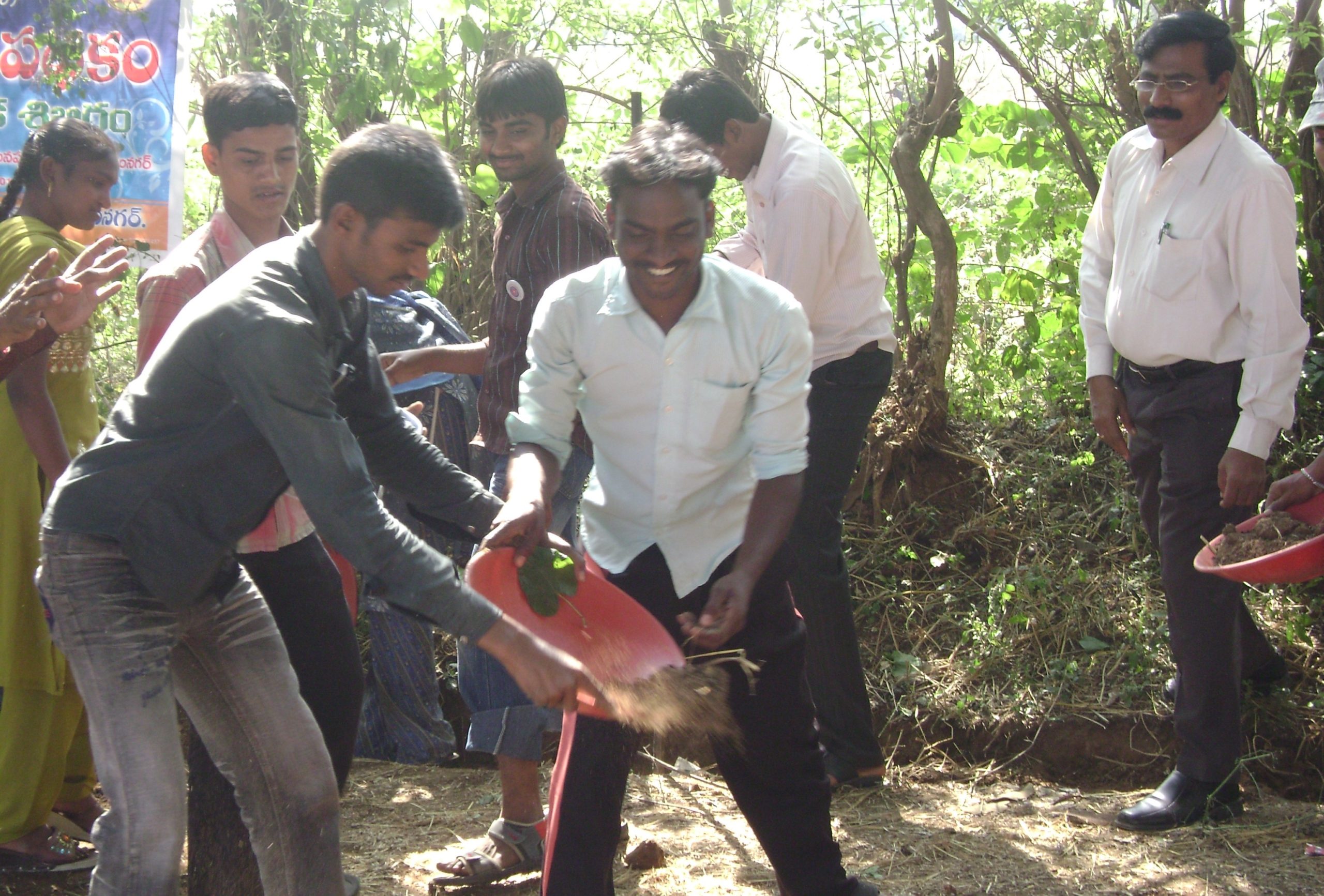
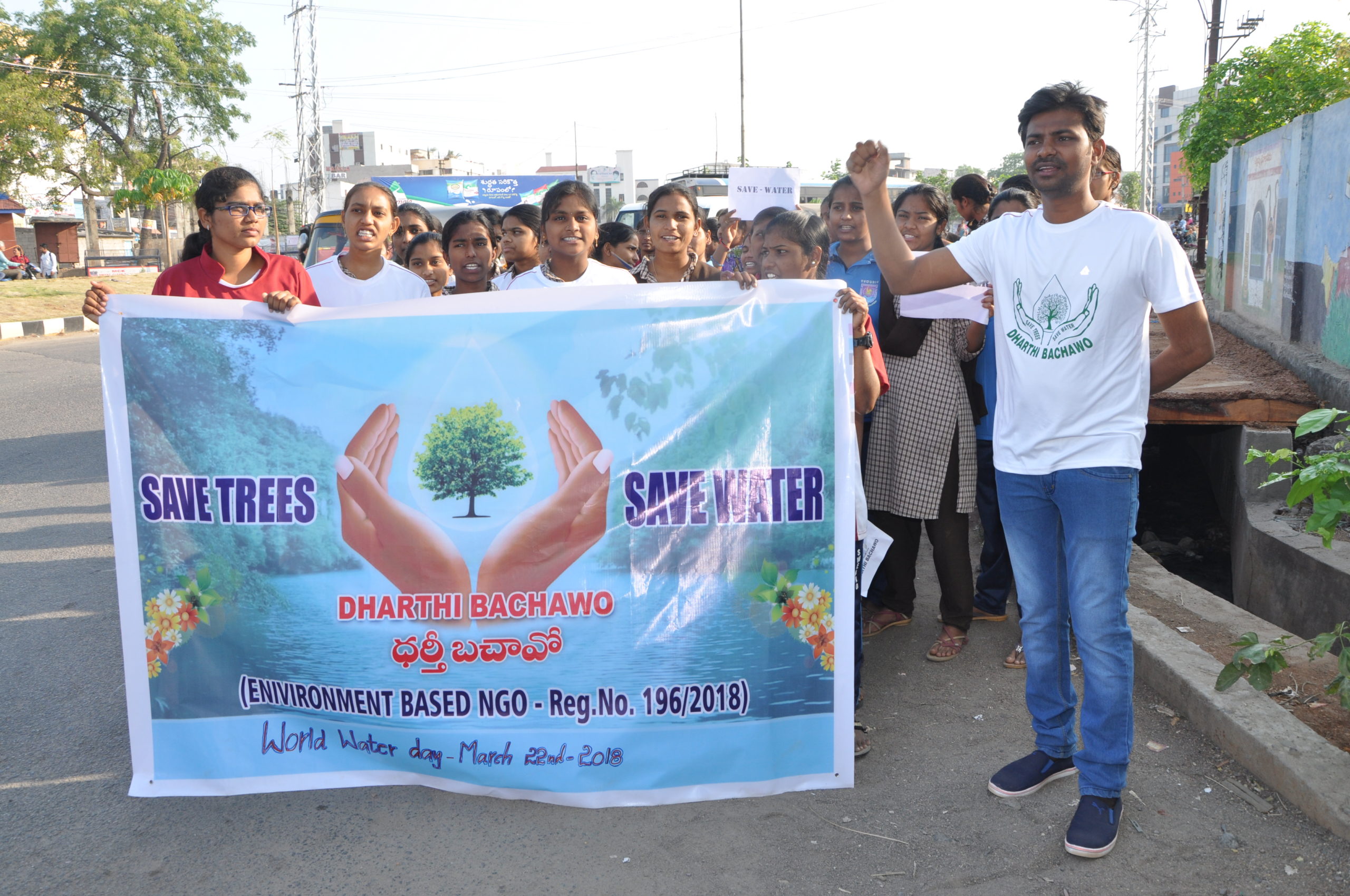
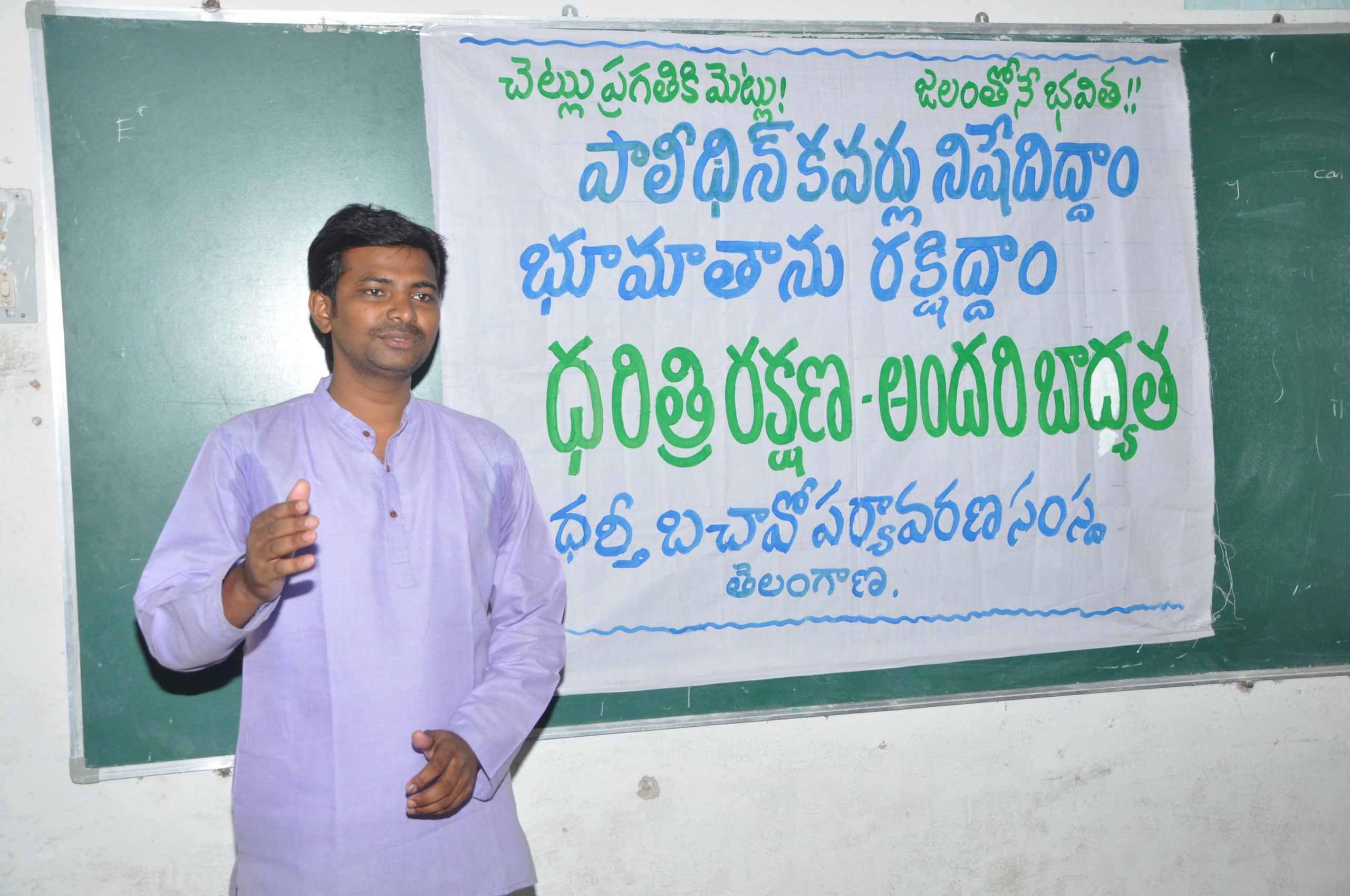
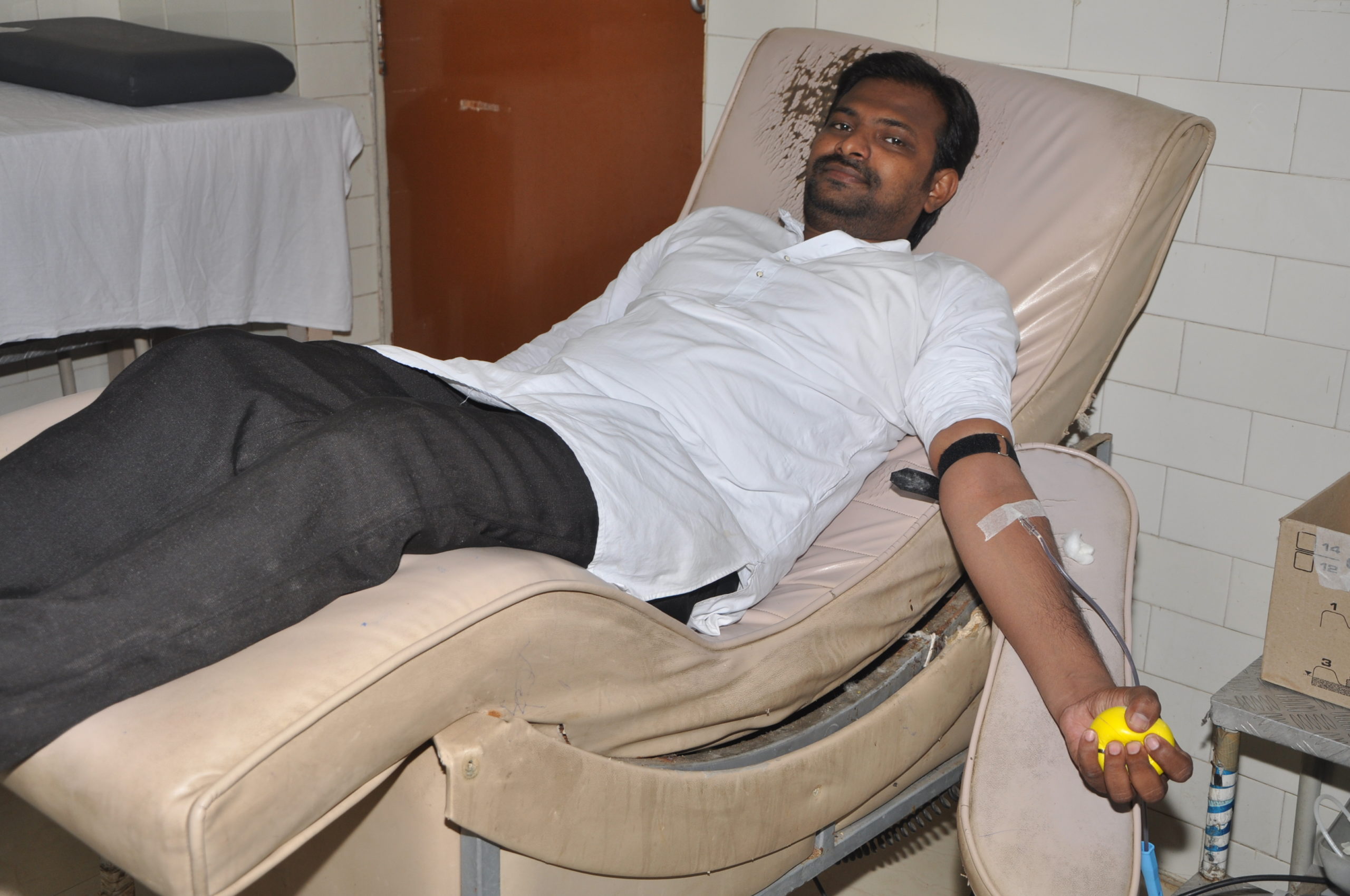
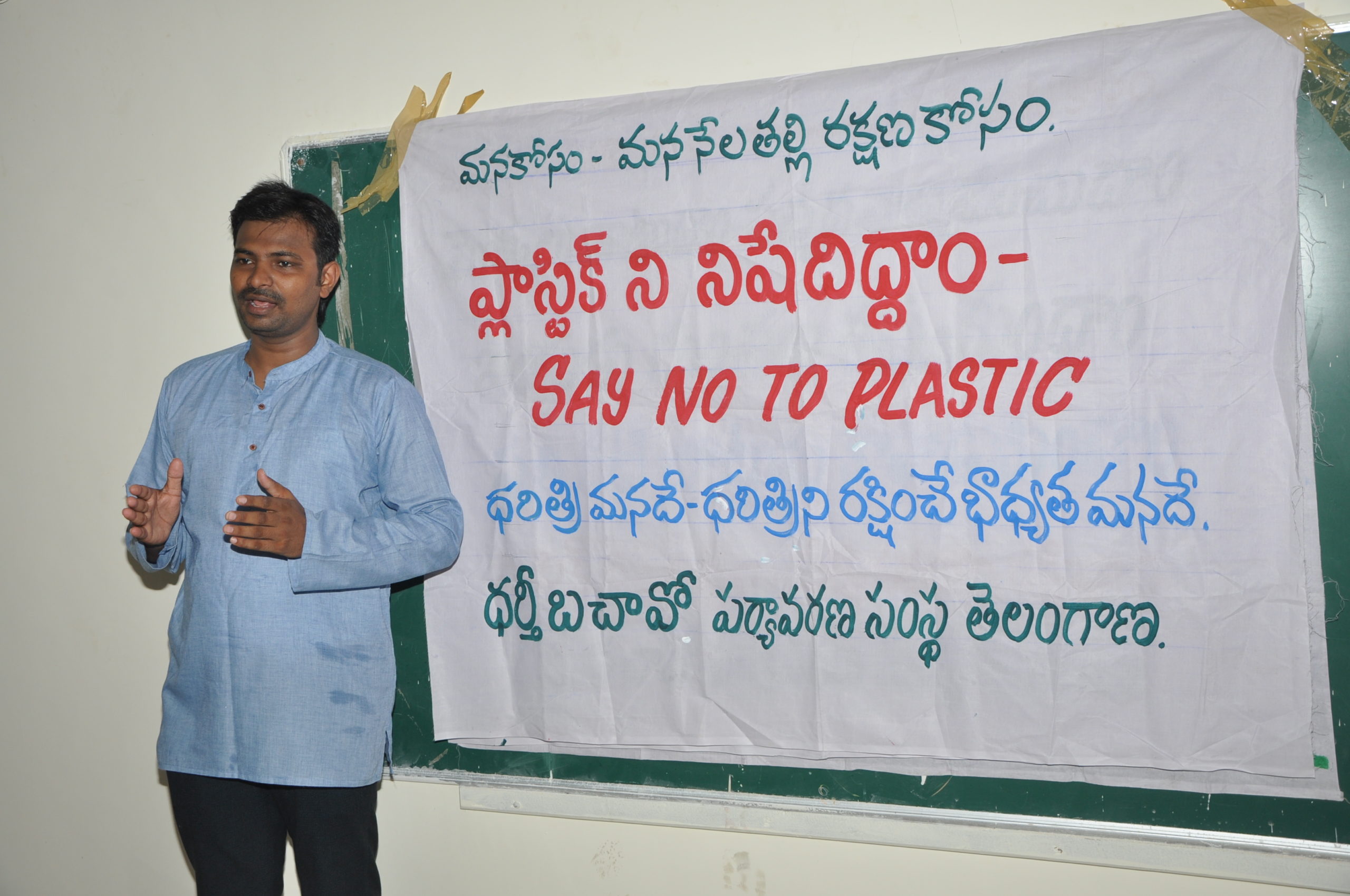
As part of NSS initiatives, Dr. Mohammad Azam Ali’s participation extended to environmental and public health campaigns, including tree plantation drives under Vanamahotsav, anti-plastic awareness initiatives, blood donation programmes, and large-scale awareness campaigns addressing HIV/AIDS, family planning, and pulse polio immunisation. Additional contributions by Dr. Mohammad Azam Ali included involvement in rural medical camps, literacy promotion programmes, and awareness drives regarding government welfare schemes.
Dr Mohammad Azam Ali’s active participation in these initiatives was further strengthened through academic guidance and institutional encouragement provided by Dr. S. Manohara Chary, NSS Programme Officer of Sri Rajarajeshwara Government Degree College, Karimnagar. This mentorship contributed significantly to Dr. Mohammad Azam Ali’s structured involvement in organised social service activities.
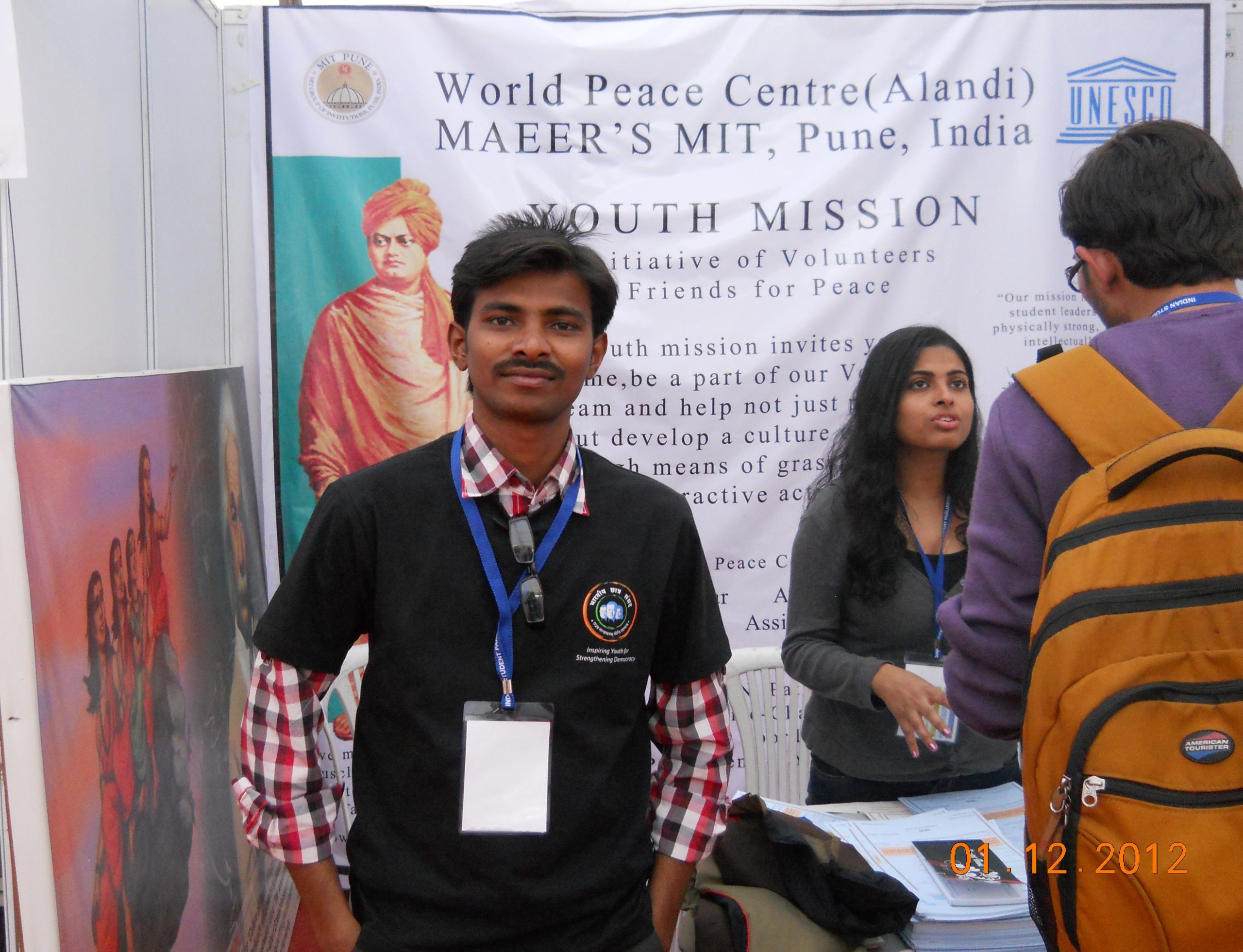
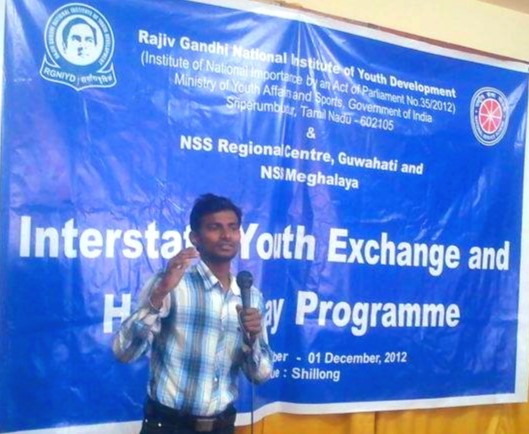
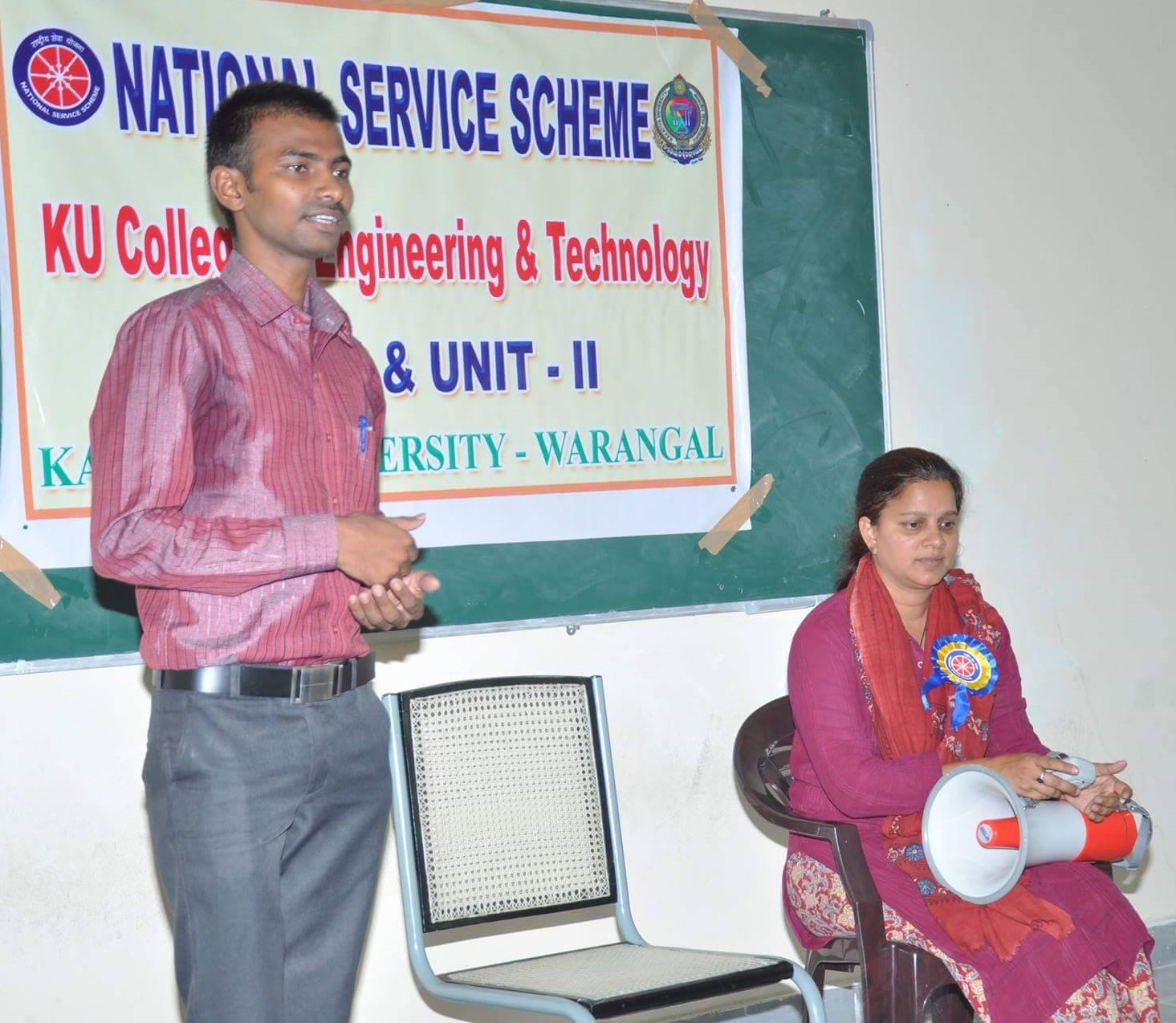
Further extension of Dr. Mohammad Azam Ali’s NSS engagement continued during his higher education at Kakatiya University, including participation in national-level programmes such as the National Integration Training Camp, Inter-State Youth Conference, and National Youth Leadership Training Camps. These platforms provided Dr. Mohammad Azam Ali with broader exposure to national integration efforts, leadership development, and community mobilisation practices.
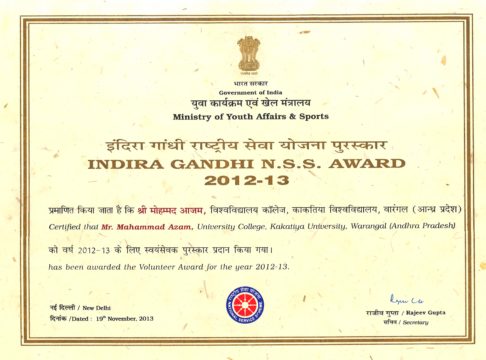
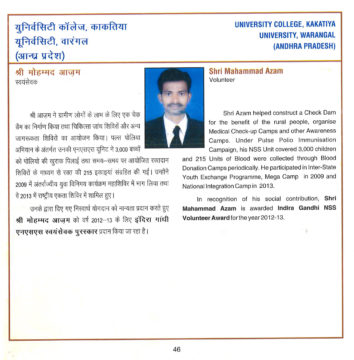
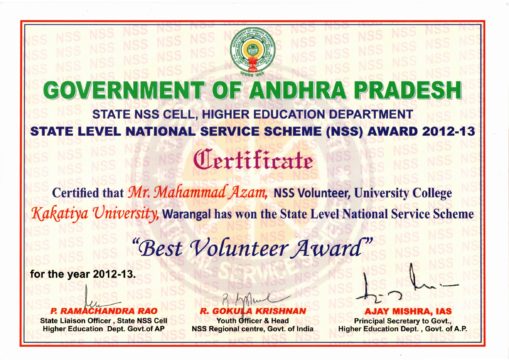
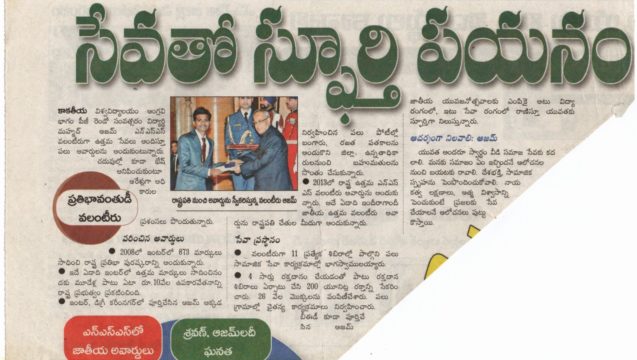
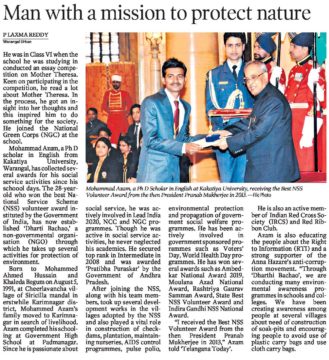
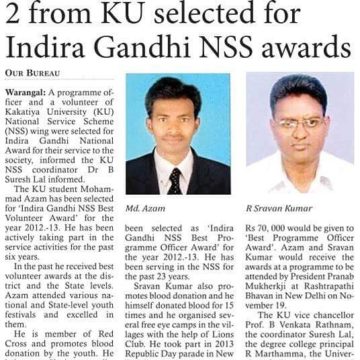
Dr. Mohammad Azam Ali’s sustained involvement in NSS activities over a period of approximately seven years resulted in consistent recognition of his service contribution at various levels. This dedication to voluntary service and community engagement was ultimately acknowledged through Dr. Mohammad Azam Ali’s selection as a Best National NSS Volunteer Awardee, reflecting his significant contribution to organised social welfare initiatives and civic development programmes.
Standing Up for a Cause — Dr Mohammad Azam Ali and the Telangana Movement

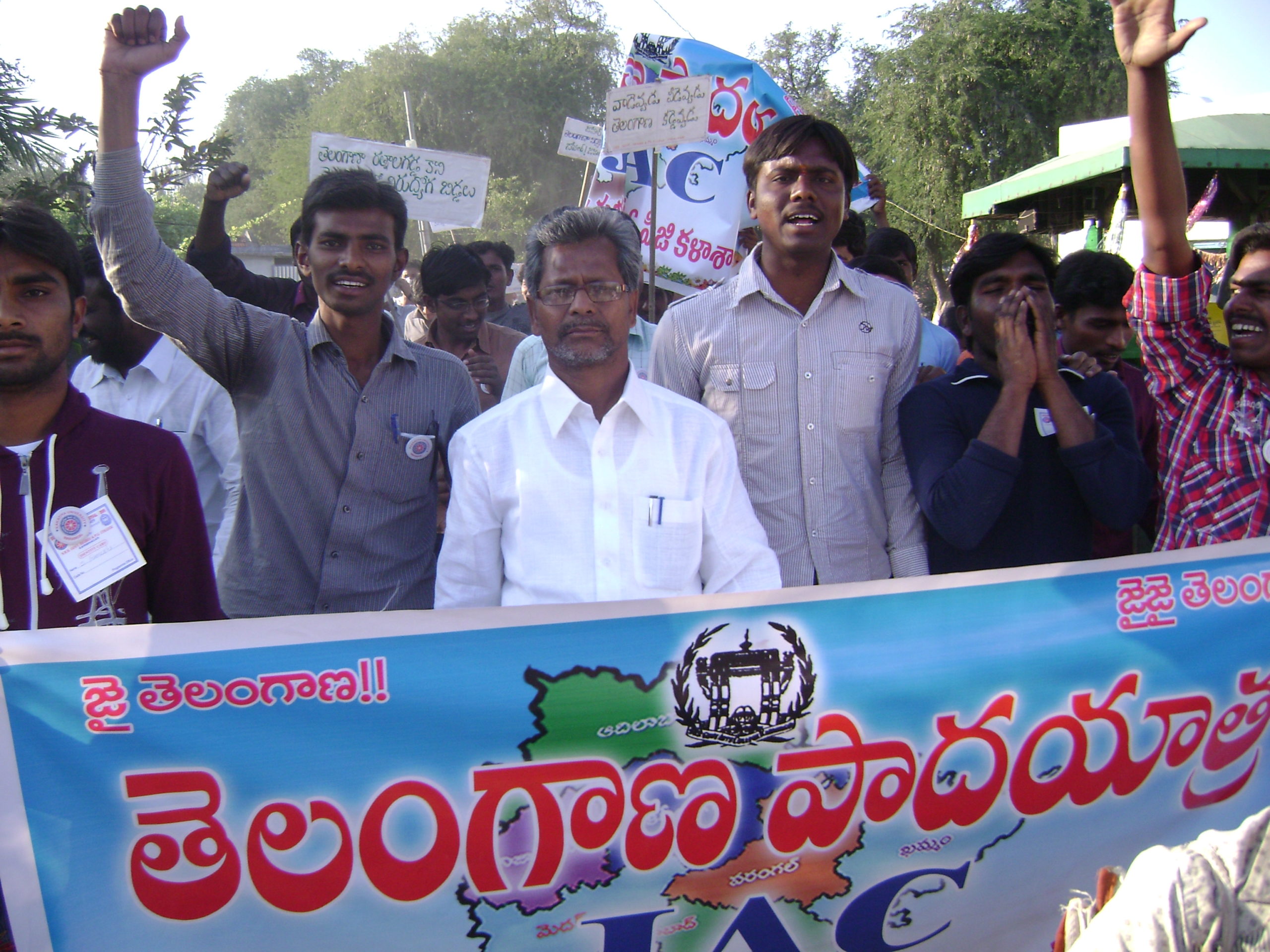
During his undergraduate academic tenure at Sri Rajarajeshwara Government Degree and P.G. College, Karimnagar, Dr. Mohammad Azam Ali was present during the formative phase of the Telangana statehood movement, a significant socio-political development in the region. This period marked heightened public mobilisation and collective expression of regional aspirations among students and youth.
In alignment with the broader student participation movement, Dr. Mohammad Azam Ali engaged in various forms of peaceful collective action and democratic expression initiated under the call for Telangana statehood leadership. These included participation in institutional-level observances and public mobilisations that reflected the aspirations of the student community for regional recognition and development.
Dr. Mohammad Azam Ali’s active involvement extended to widely recognised forms of peaceful protest and civic expression such as Rasta Roko, Rail Roko, Sakala Janula Samme, Million March, and Vanta Varpu programmes, which symbolised collective assertion of regional identity and democratic participation in the statehood discourse.
During the visit of the Srikrishna Committee, constituted by the Central Government of India to examine the Telangana statehood issue, Dr. Mohammad Azam Ali engaged in structured interaction with the committee as part of the student representation from the region. Key concerns relating to the educational infrastructure, academic opportunities, and institutional development within Telangana were formally communicated by Dr. Mohammad Azam Ali, emphasizing the need for equitable educational advancement and administrative attention to regional requirements.
This phase of engagement reflects Dr. Mohammad Azam Ali’s participation in a significant historical movement that contributed to the eventual formation of Telangana State, highlighting his involvement in collective civic expression and regional advocacy during a transformative period in the state’s history.
Speaking Up for Change — Dr Mohammad Azam Ali’s Journey in Civic Reform and Democratic Awareness
The engagement of Dr. Mohammad Azam Ali in civic and reform-oriented movements reflects a sustained commitment to democratic values, transparency in governance, and public accountability, developed during his academic years. During his undergraduate studies, Dr. Mohammad Azam Ali’s exposure to socio-political thought and contemporary governance discourse fostered a strong inclination toward civic reform and participatory democracy. This intellectual orientation led Dr. Mohammad Azam Ali to active association with nationally recognized anti-corruption movements and public awareness campaigns.
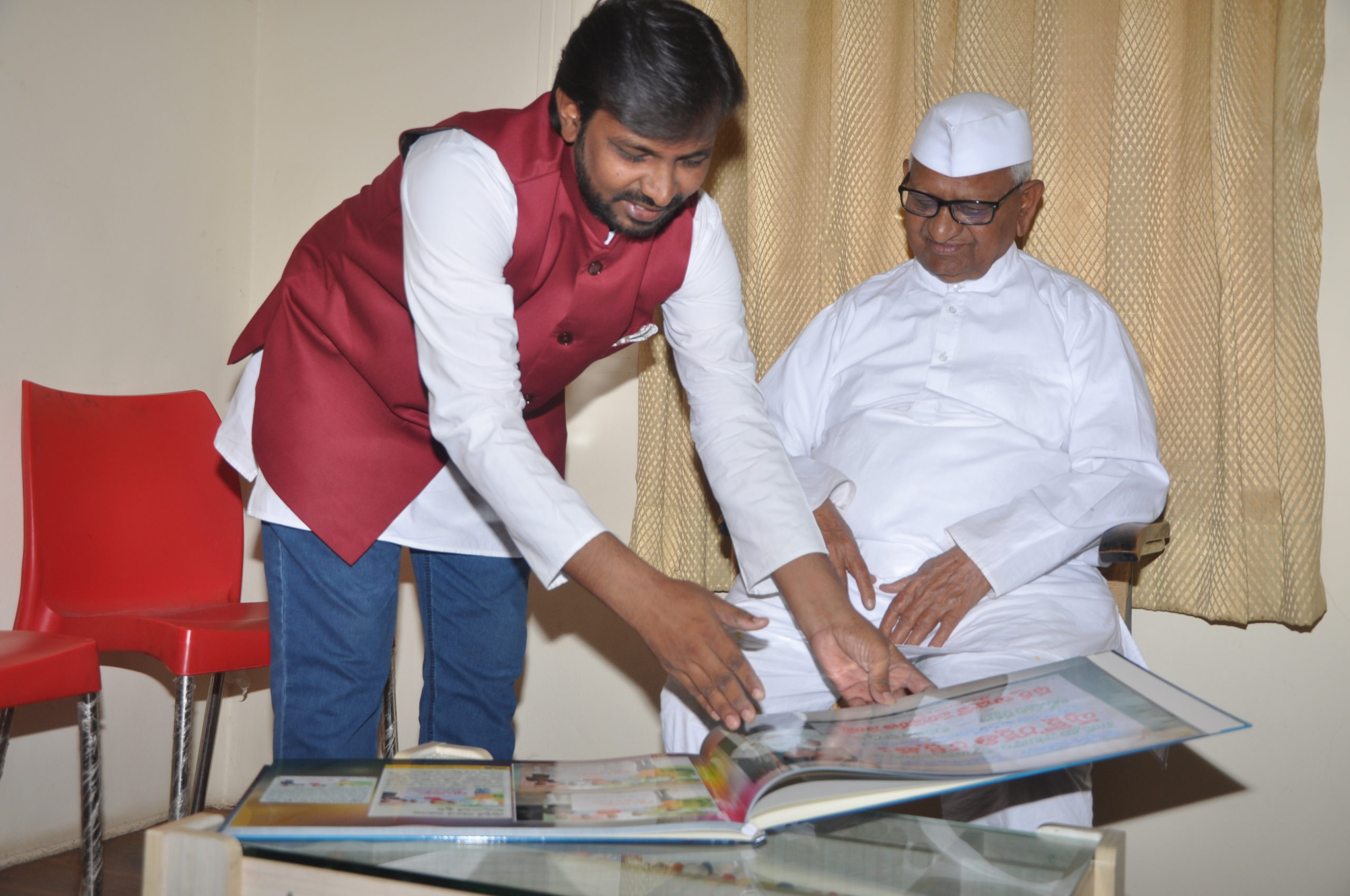
Dr. Mohammad Azam Ali’s participation was notably aligned with the nationwide anti-corruption movement led by Shri Anna Hazare, which emphasized integrity in public administration and strengthened citizen engagement in governance processes. This involvement reflected Dr. Mohammad Azam Ali’s deep commitment to ethical governance and institutional transparency.
Further engagement by Dr. Mohammad Azam Ali extended to public awareness initiatives inspired by Dr. Jayaprakash Narayan, founder of Lok Satta, focusing on systemic reforms and democratic strengthening. Dr. Mohammad Azam Ali’s activities included participation in programmes promoting the Swarajya movement, consumer rights awareness, and legal literacy related to the Consumer Protection framework.
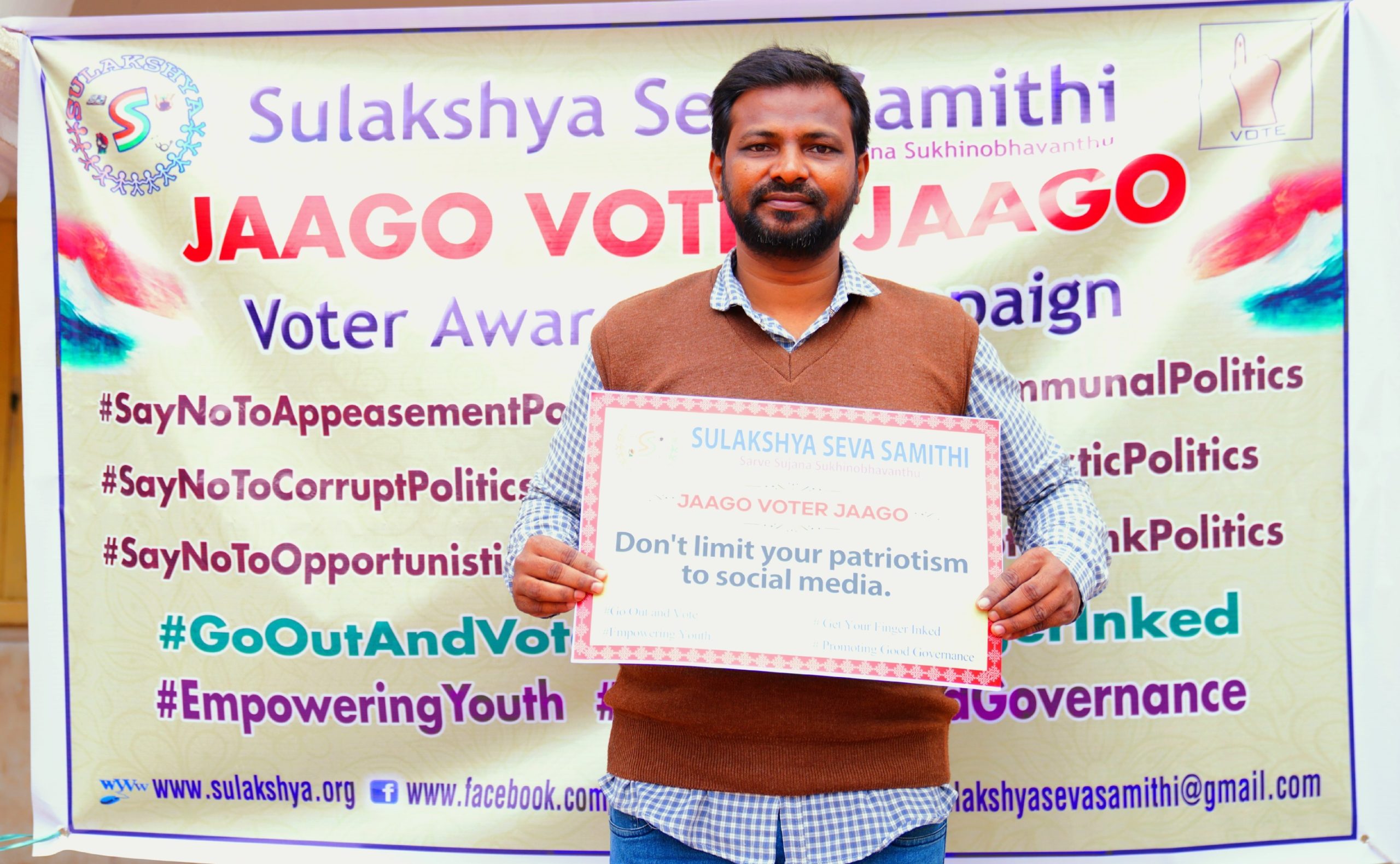
Additional contributions by Dr. Mohammad Azam Ali included involvement in awareness campaigns on the Right to Information (RTI) Act, aimed at enhancing public access to information and strengthening accountability mechanisms within governance structures. Dr. Mohammad Azam Ali’s participation also extended to initiatives focused on democracy education, voter awareness, and civic participation, with a particular emphasis on encouraging informed electoral engagement among youth.
Through these engagements, Dr Mohammad Azam Ali consistently directed efforts toward sensitising young individuals on issues of governance, civic responsibility, and democratic participation, thereby contributing to broader public awareness and reform-oriented discourse.
Founding Chamak Foundation — Lighting Up Lives Through Education
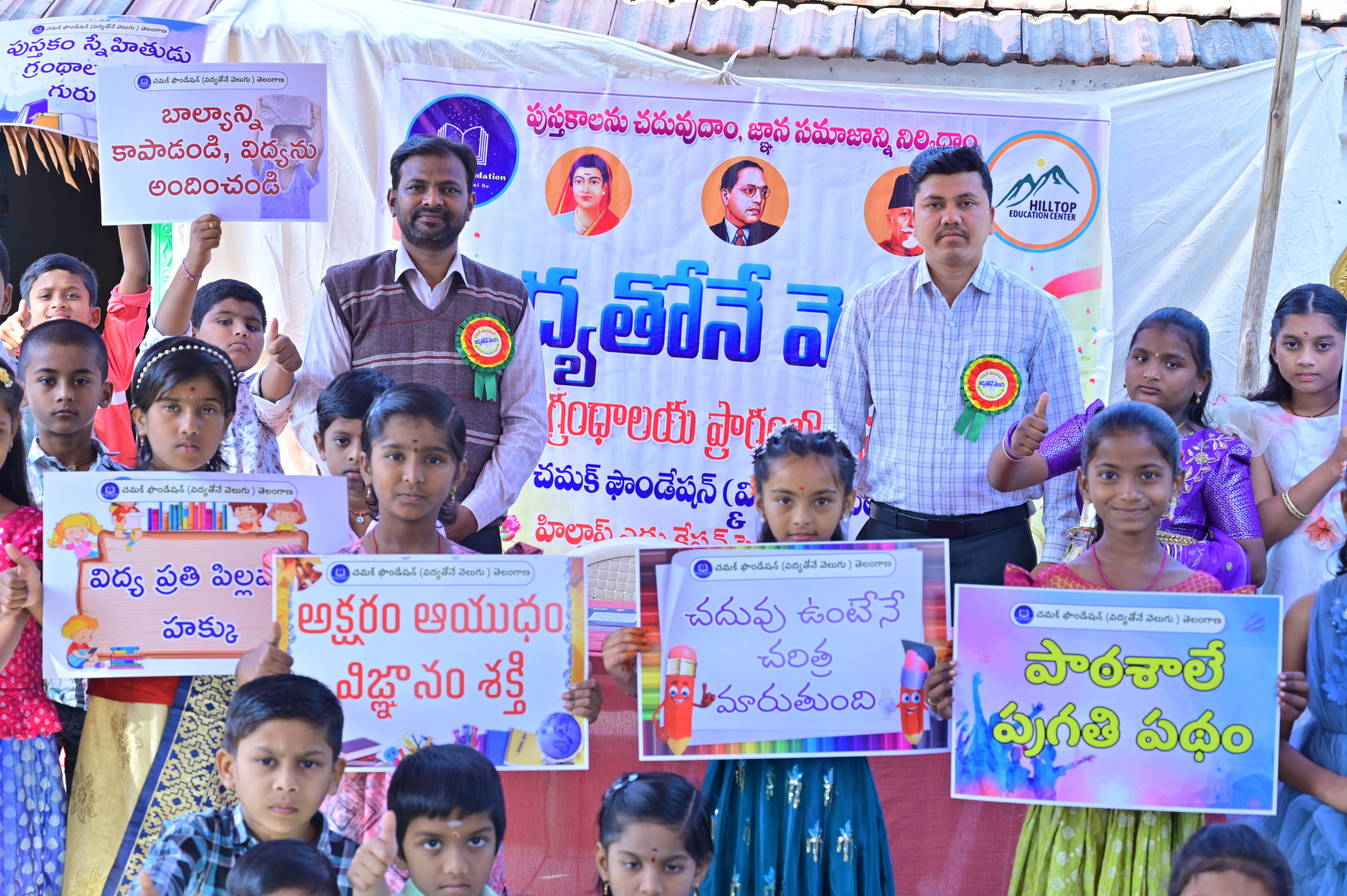
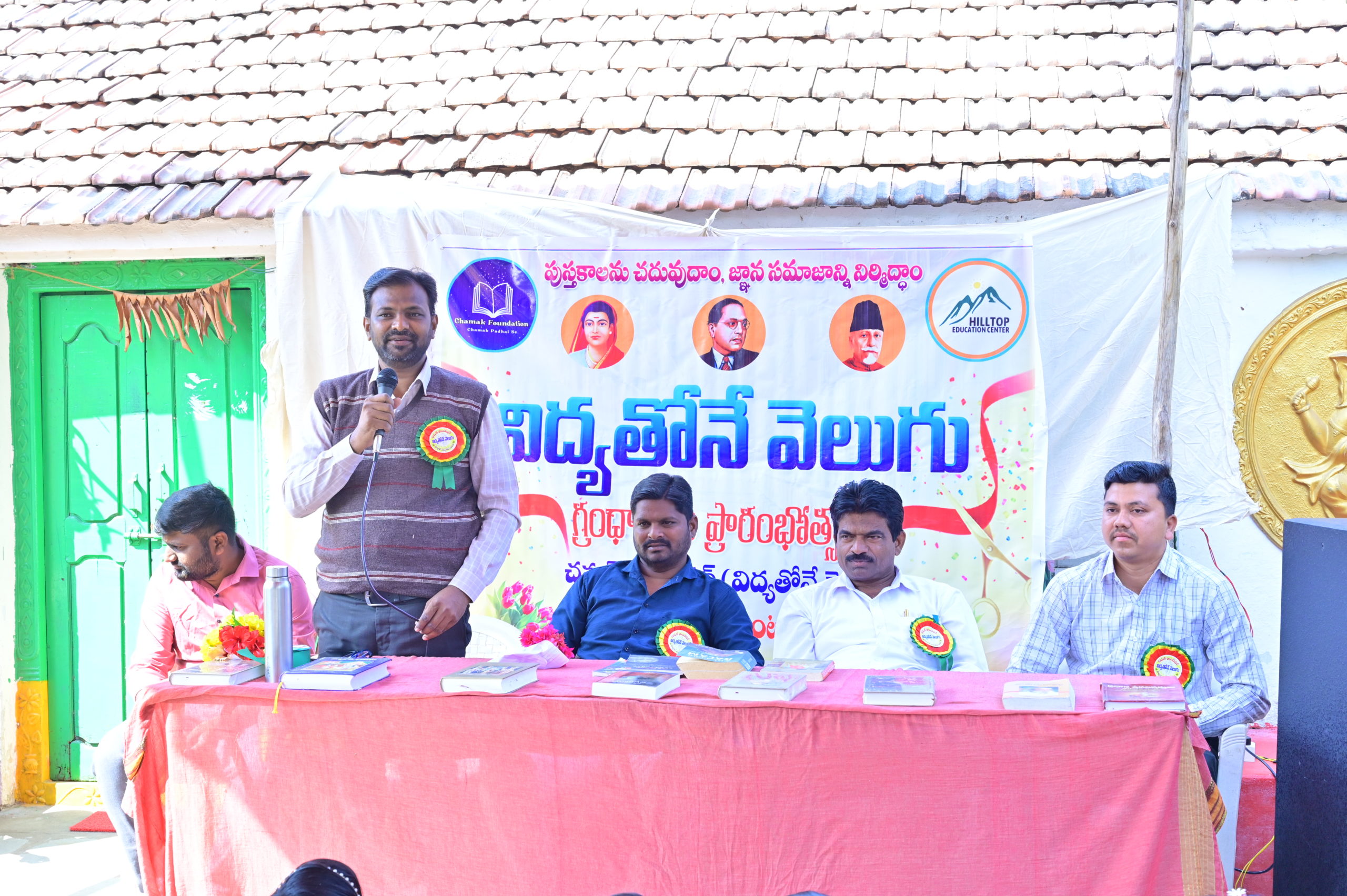
The establishment of Chamak Foundation (Shine through Education) was founded by Dr Mohammad Azam Ali in the year 2023 with a core objective to empower underprivileged students through education, which makes them shine in their lives.
| Chamak Foundation’s vision and mission are to empower Underprivileged students by providing guidance and counselling, creating better learning opportunities, establishing libraries in slum areas, providing financial assistance to poor meritorious students and creating better citizens for society. |
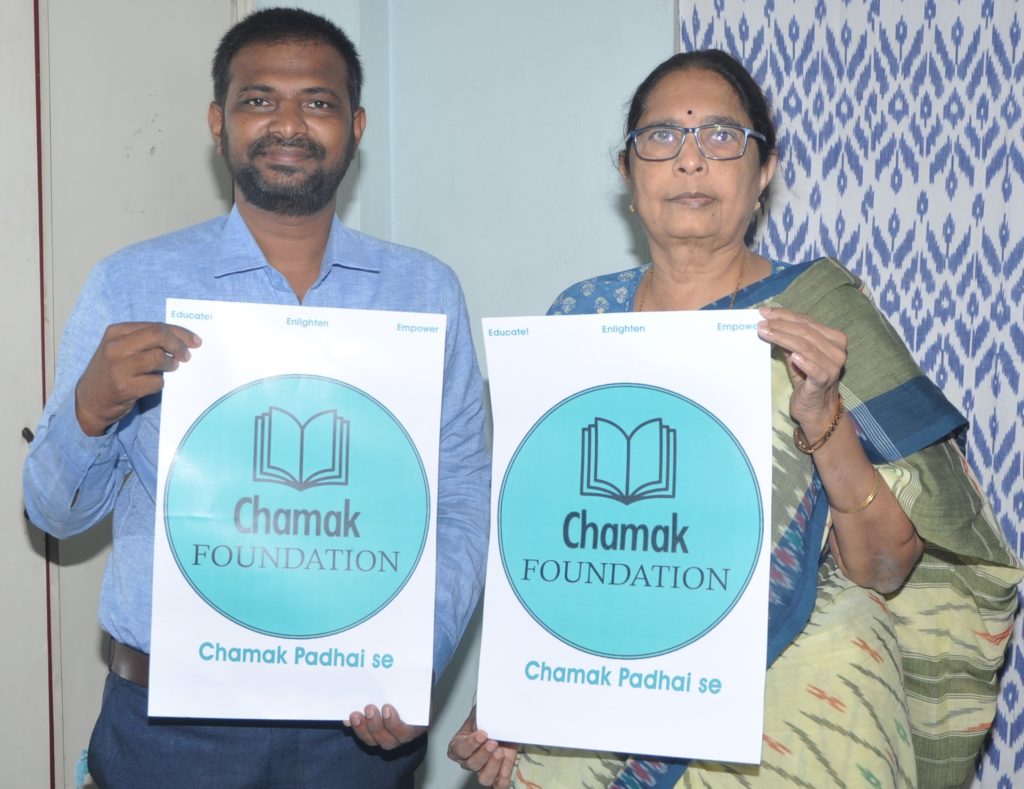
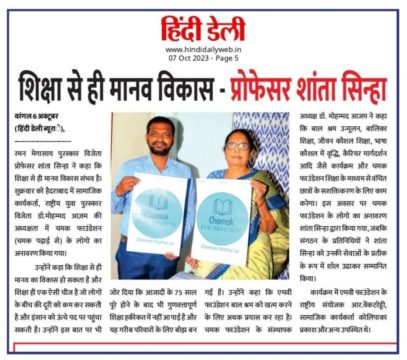
Anti-child labour activist and Ramon Magsaysay Award recipient, Professor Shantha Sinha, formally launched the voluntary organization Chamak Foundation (Chamak Padhai Se), marking a significant milestone in the field of social welfare and community development.
This initiative is rooted in lived experiences of academic interruption due to socio-economic constraints during early educational years, followed by a determined return to formal education and sustained academic advancement. These experiences cultivated a deep sensitivity toward learners facing similar barriers, particularly those impacted by poverty, early school dropout, and limited access to educational resources.
Following entry into the academic profession as an Assistant Professor, a structured vision emerged to contribute meaningfully toward the educational transformation of disadvantaged learners. This vision culminated in the establishment of Chamak Foundation in the year 2023, with a core focus on enhancing educational access, academic confidence, and holistic student development.
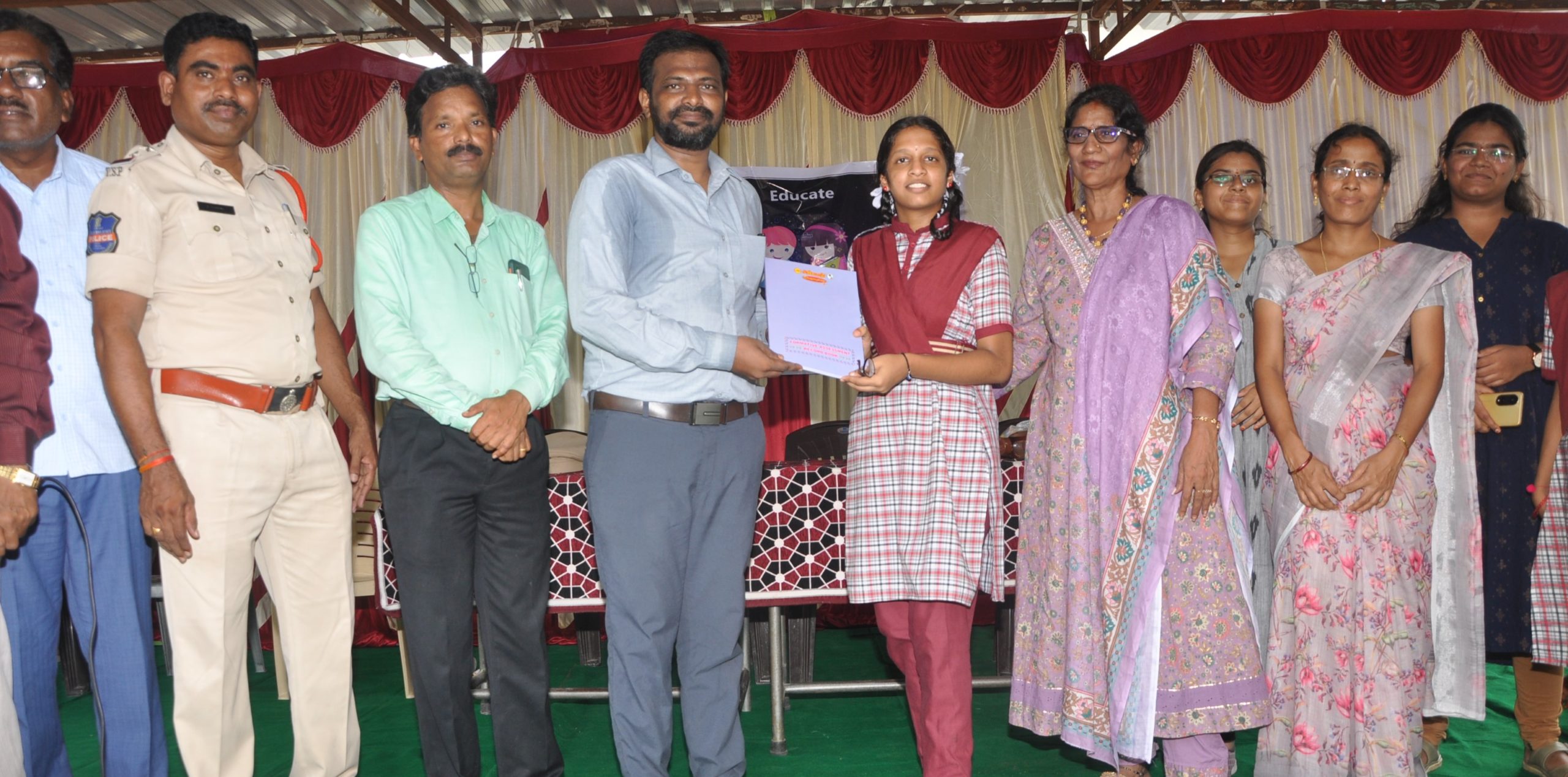
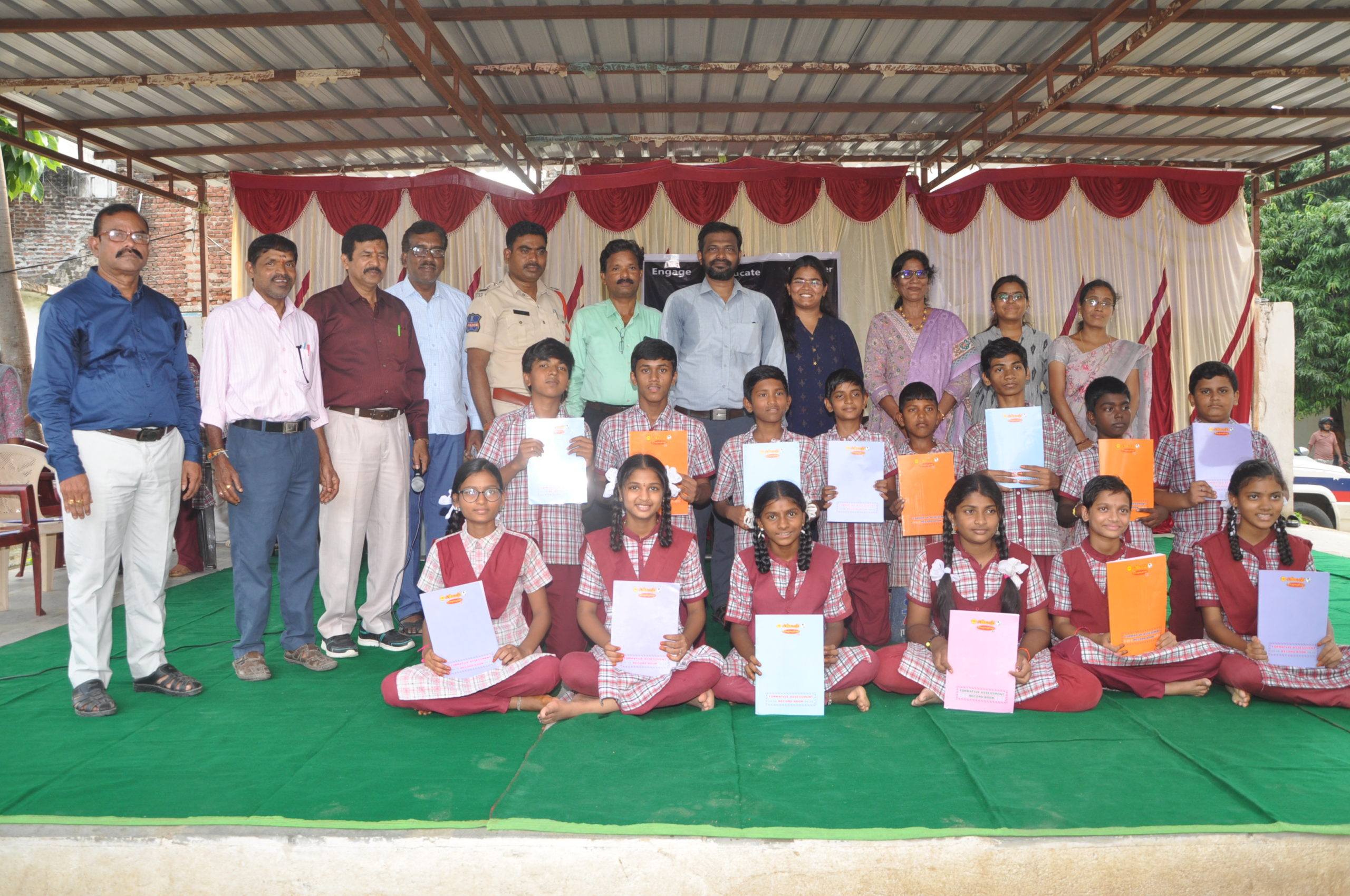
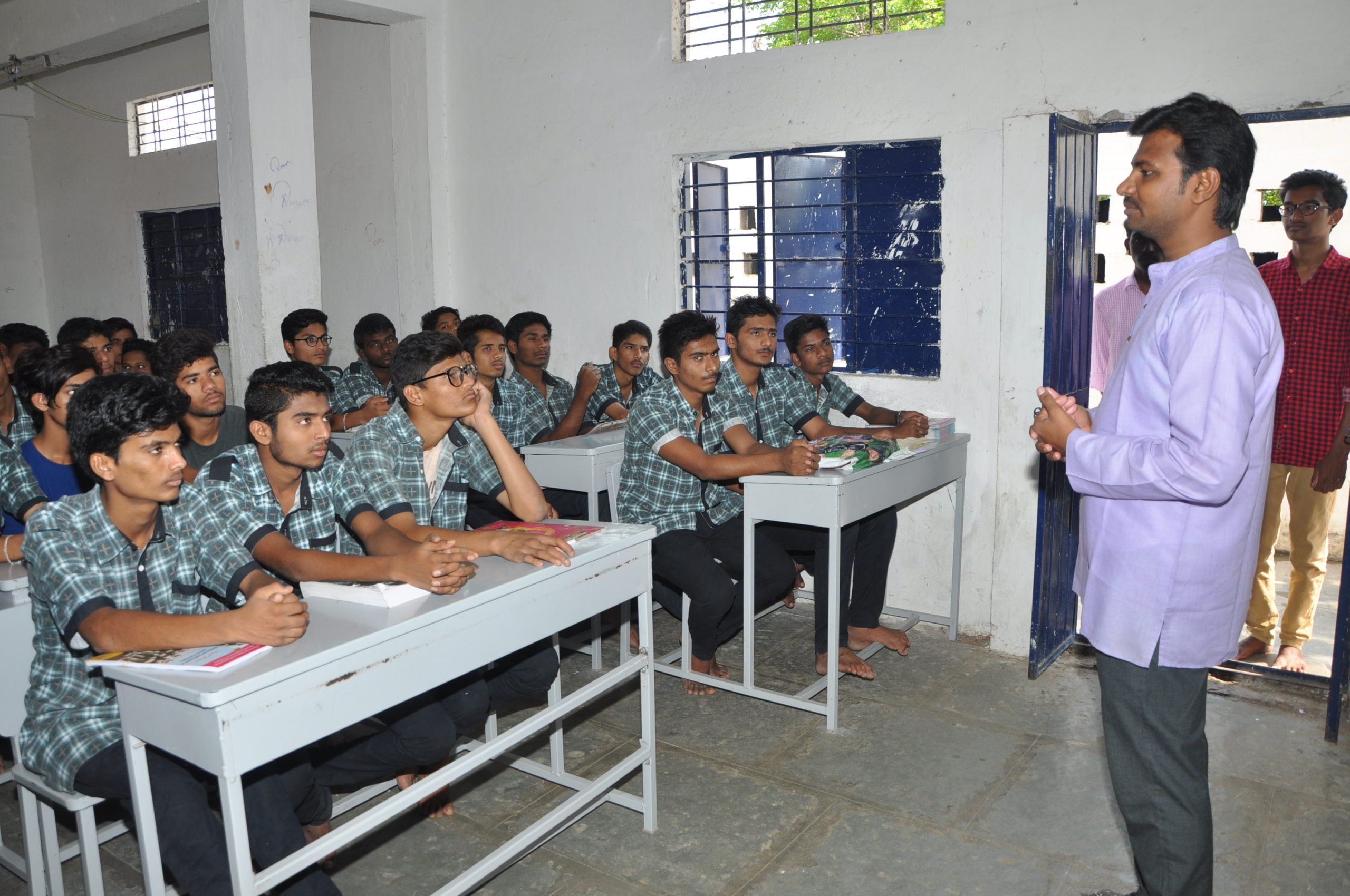
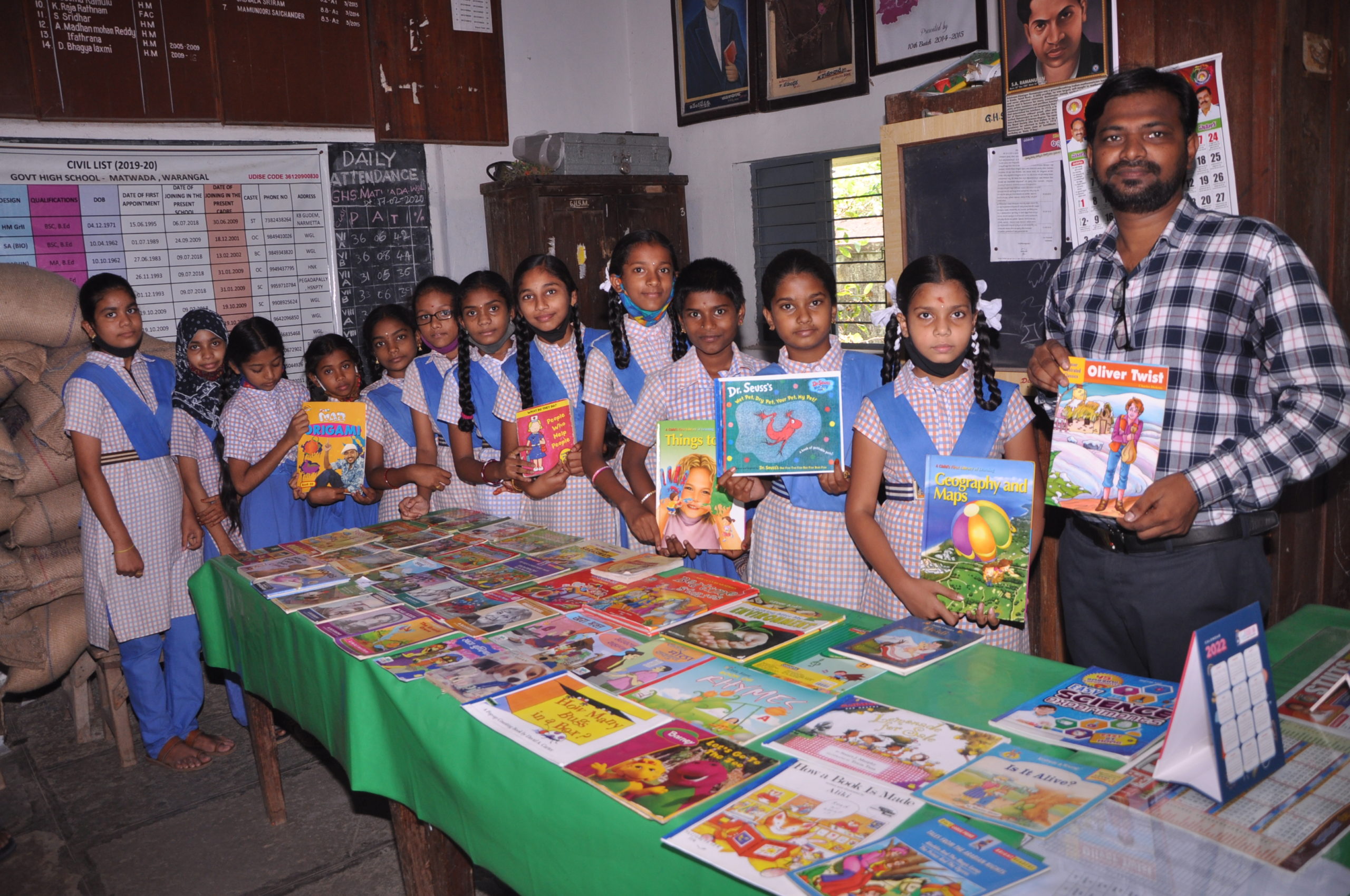
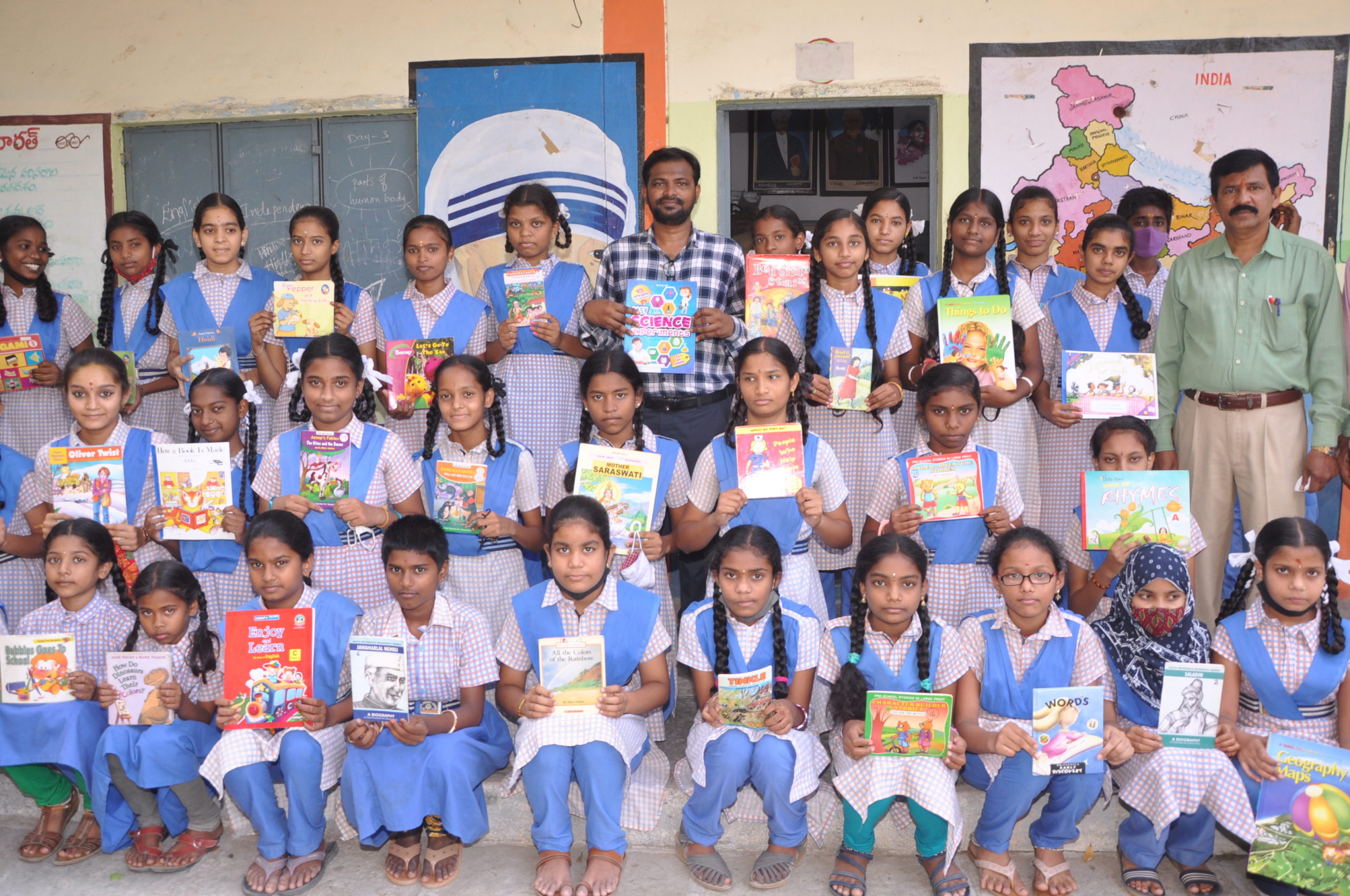
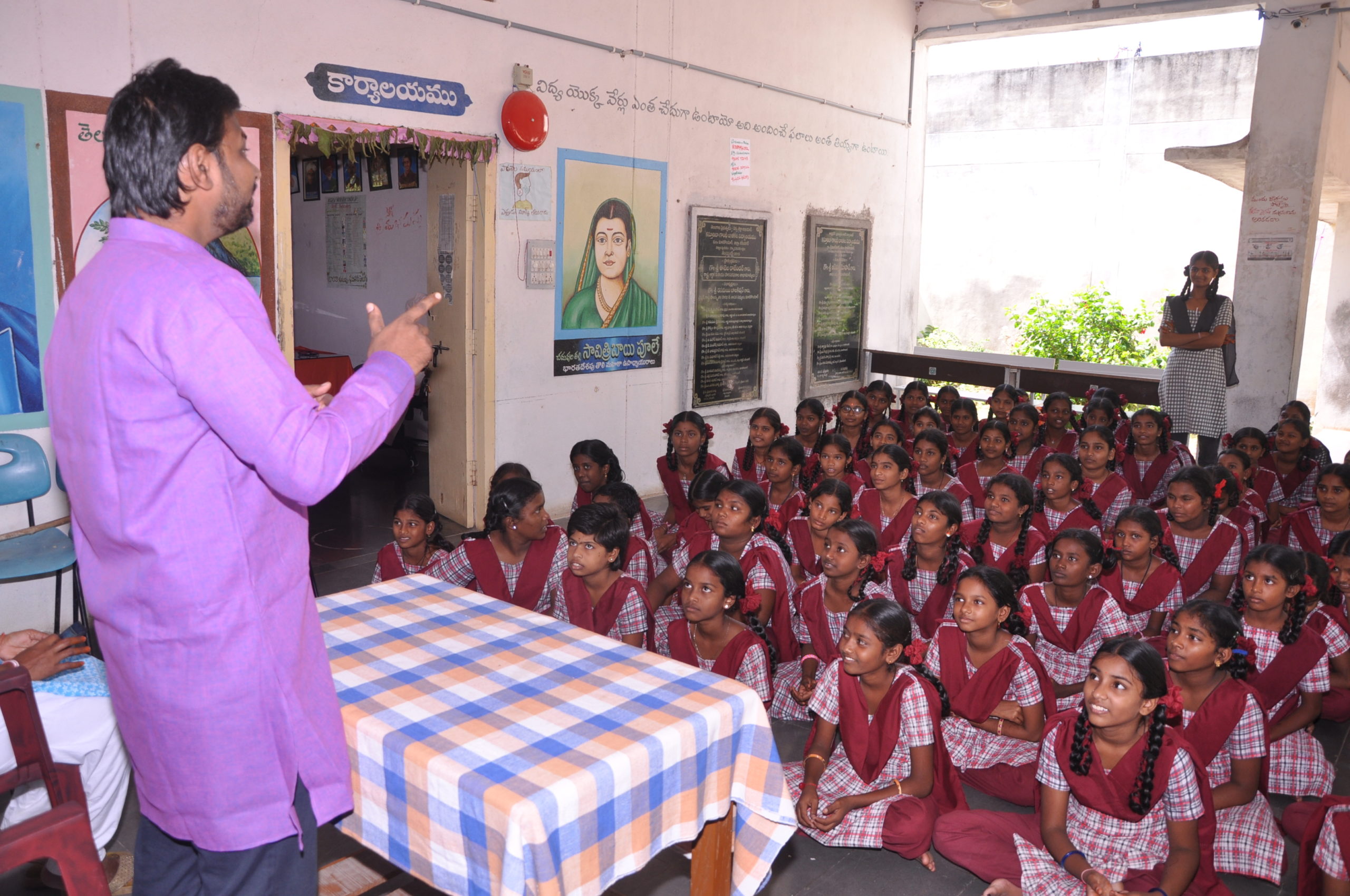
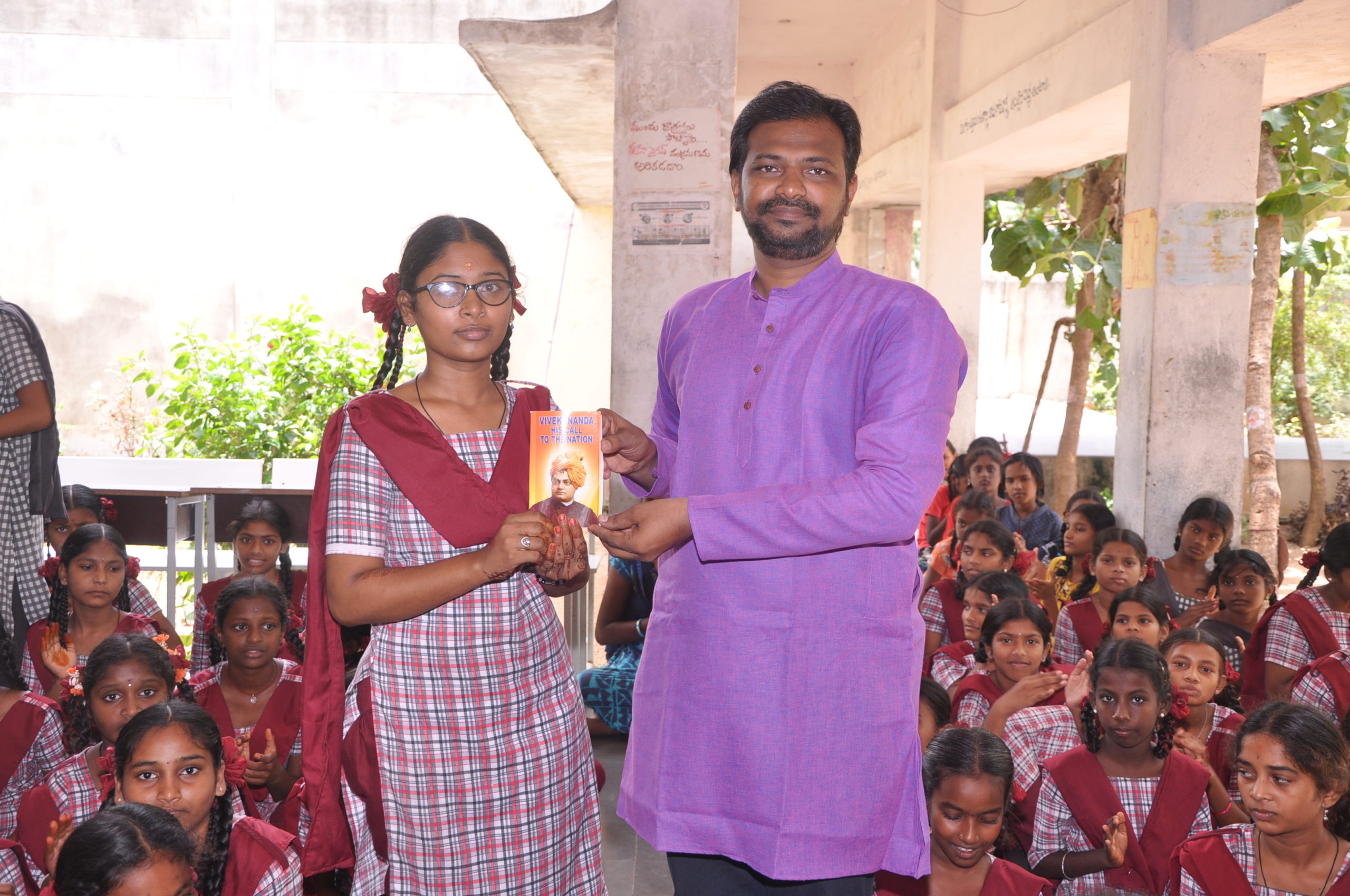
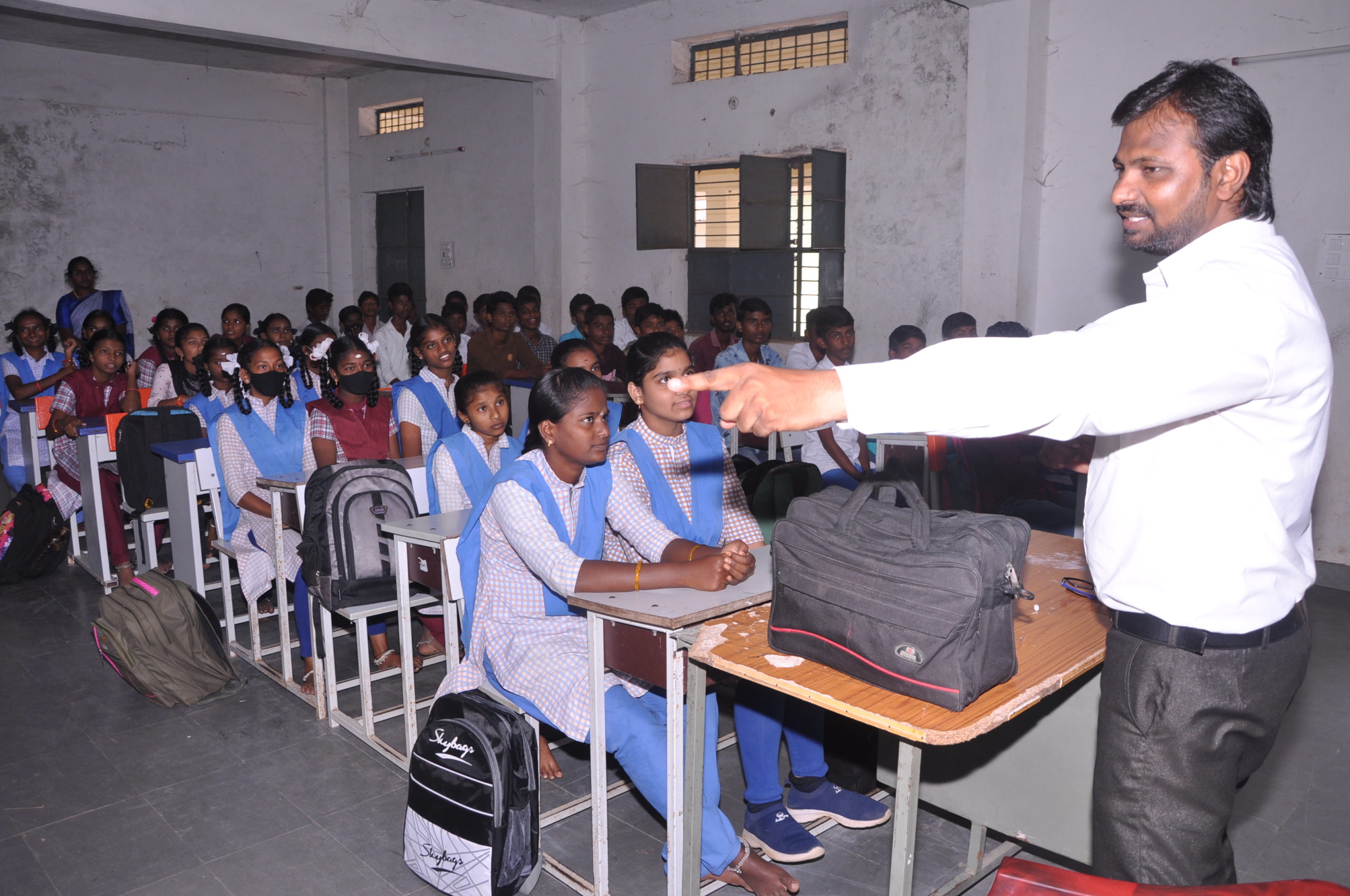
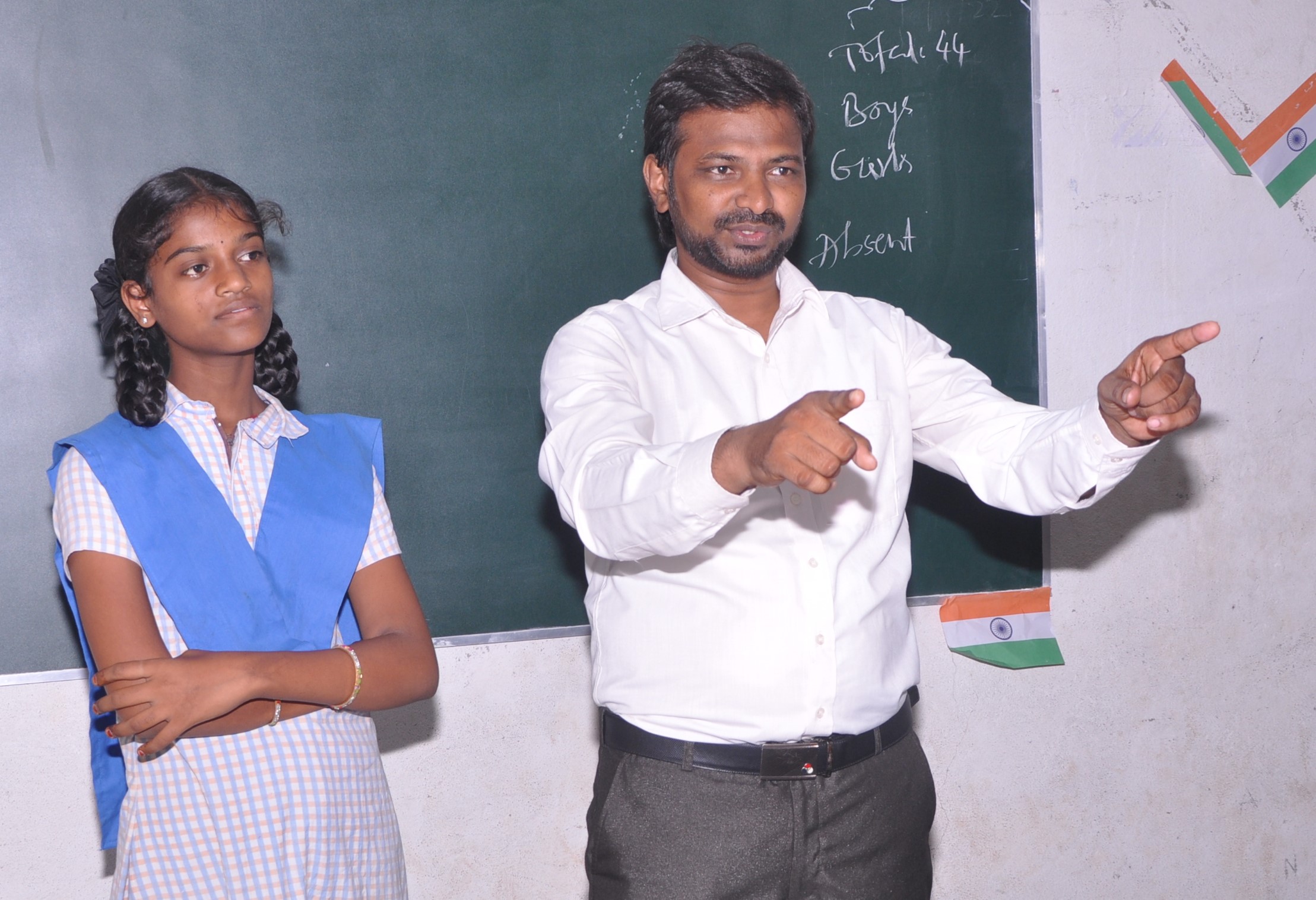
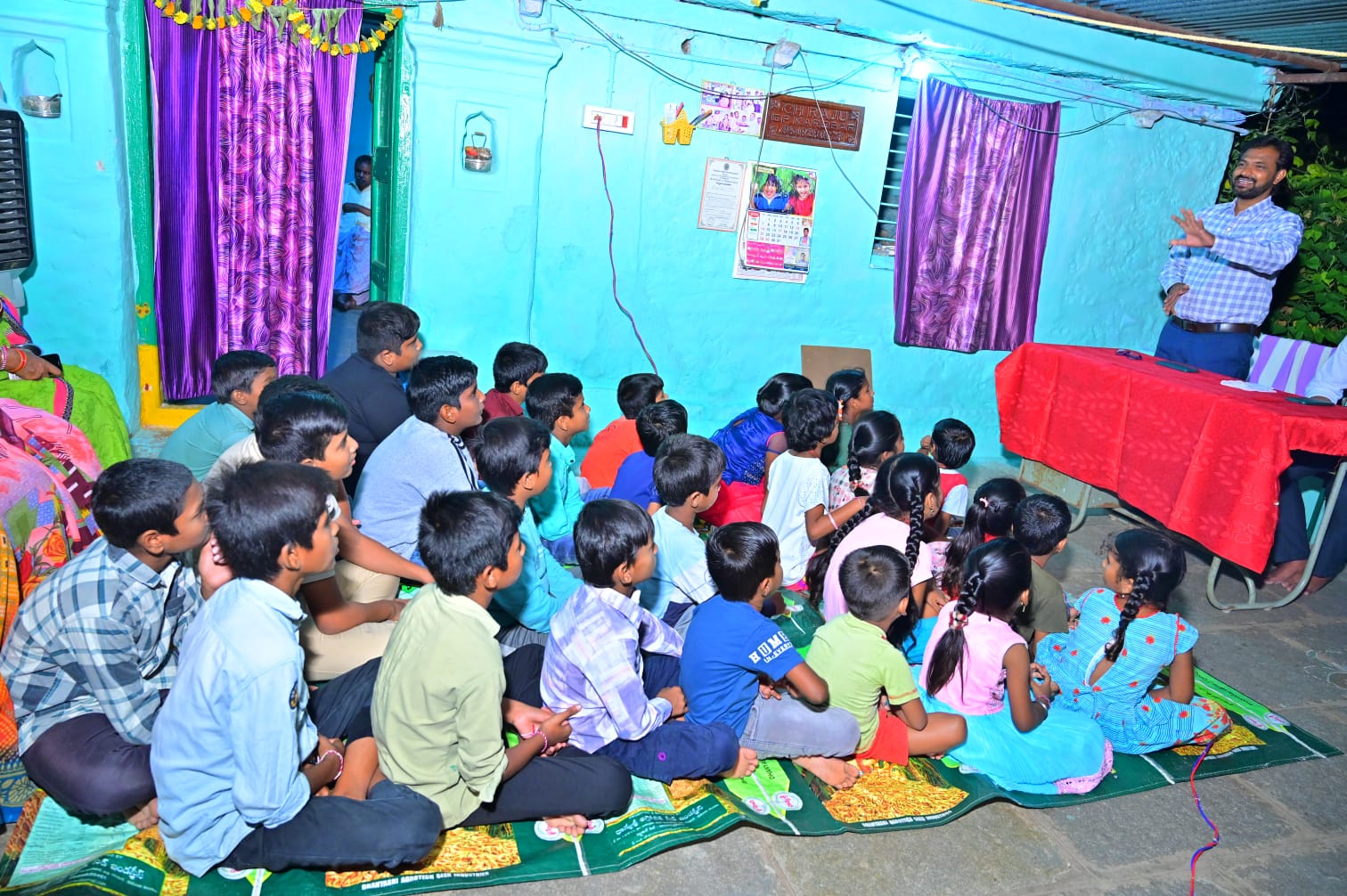
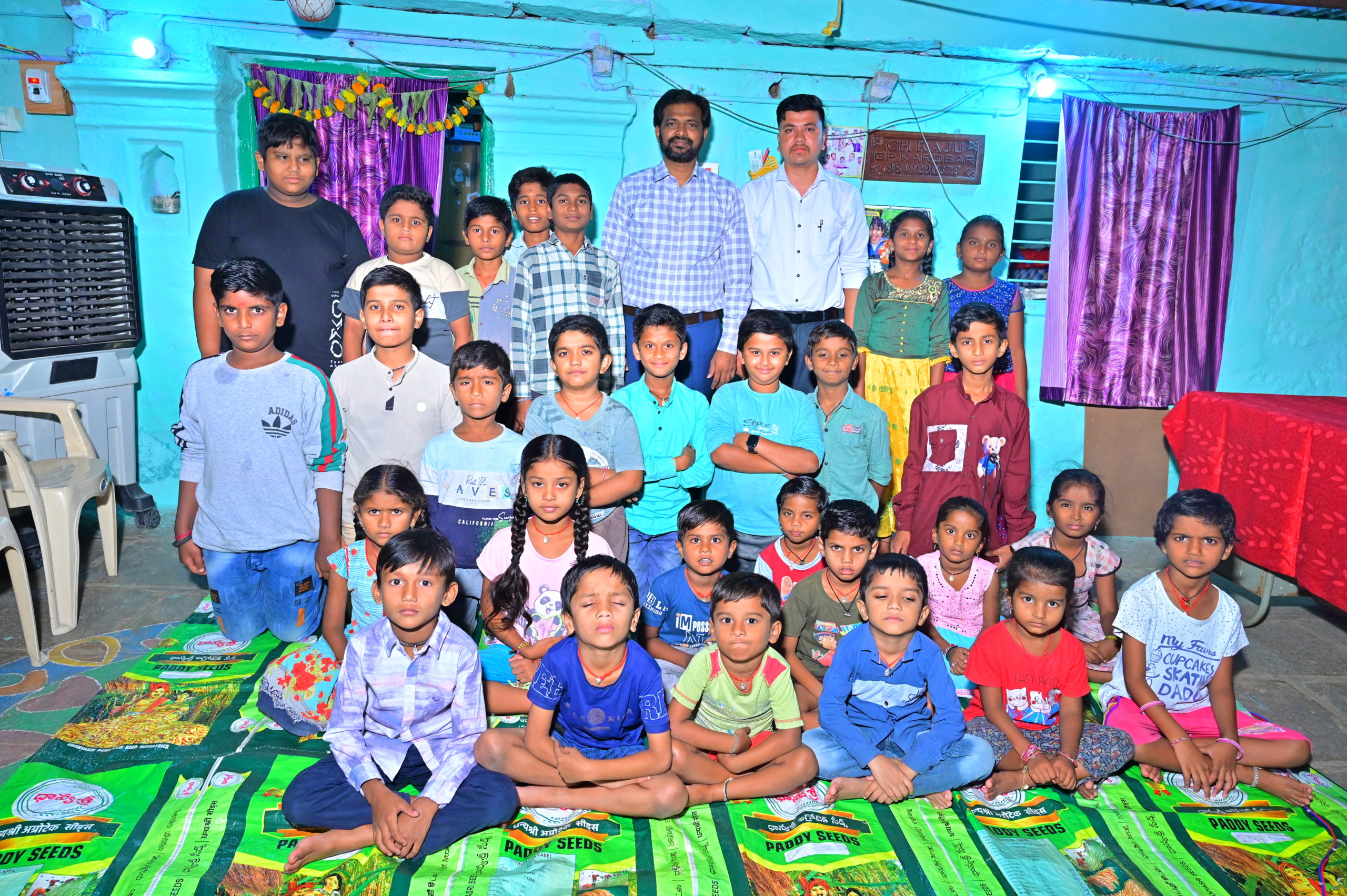
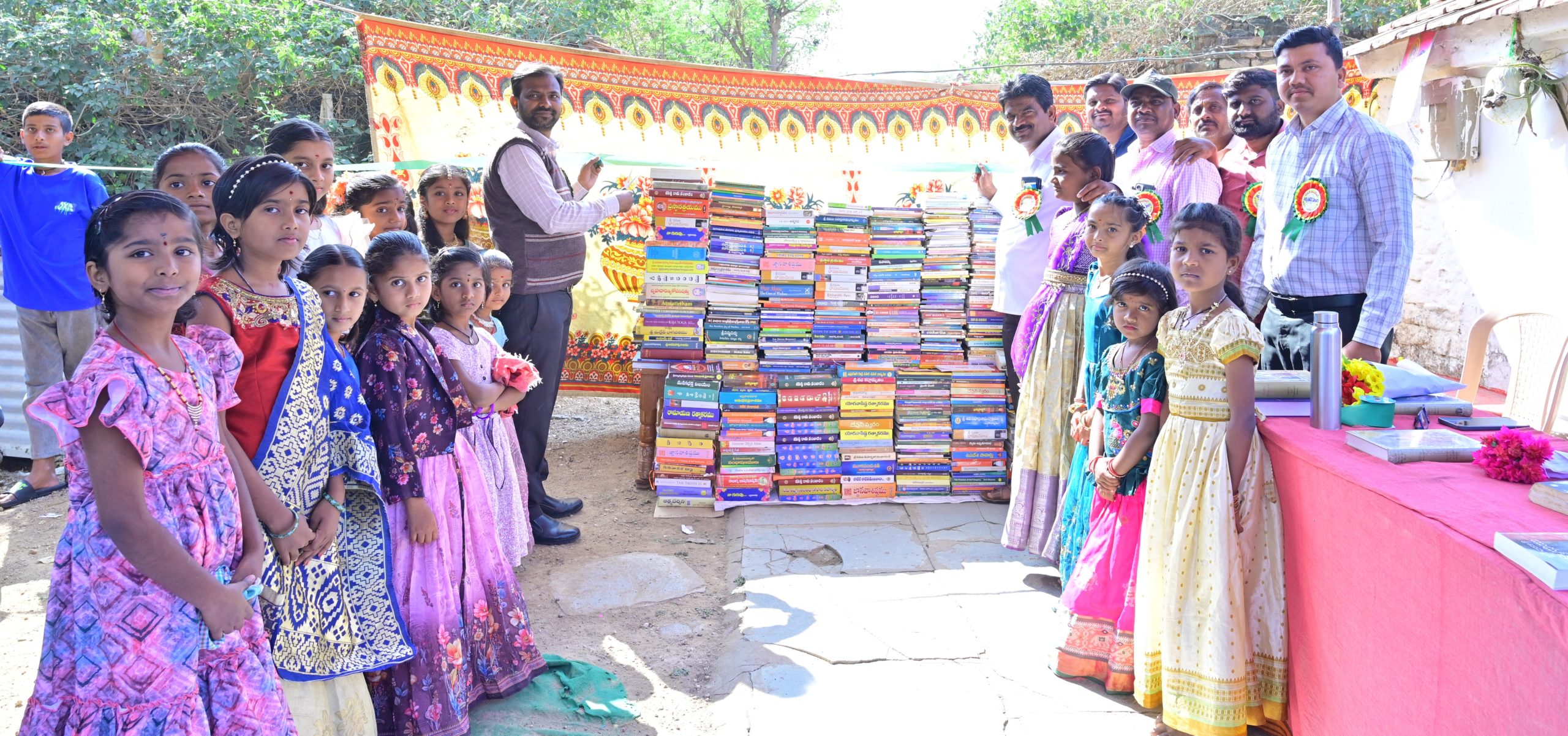
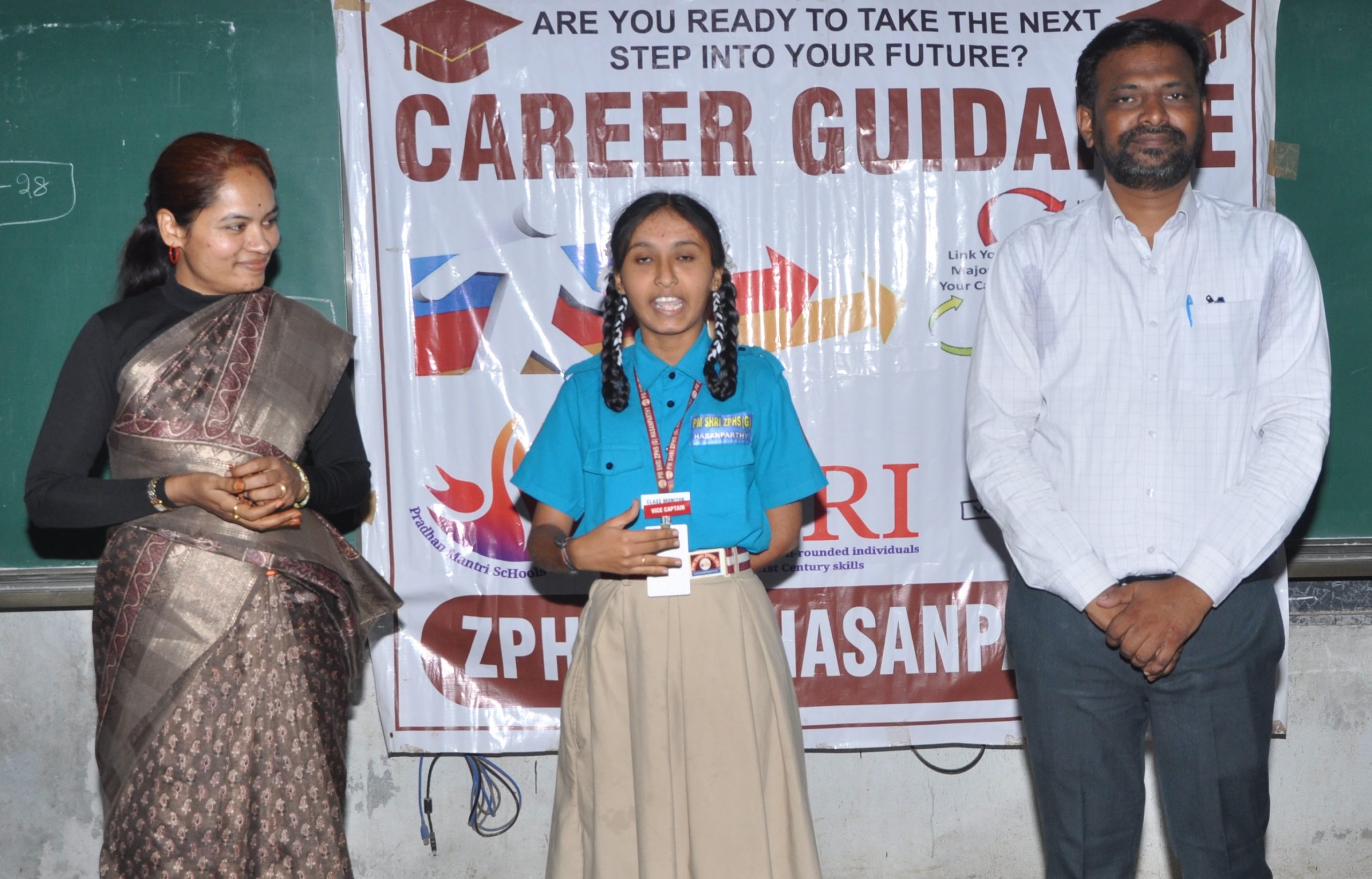
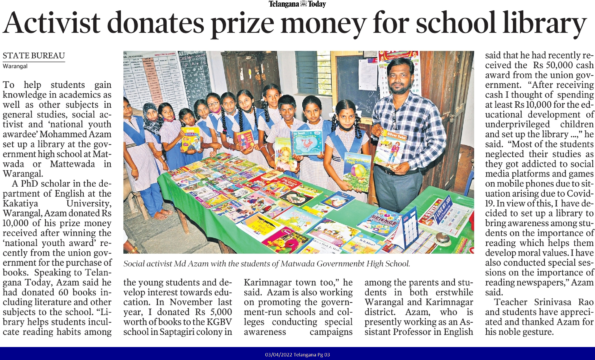
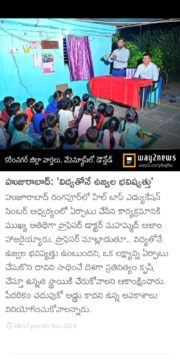
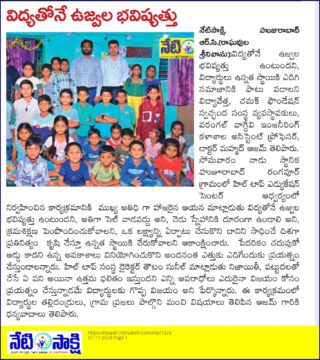
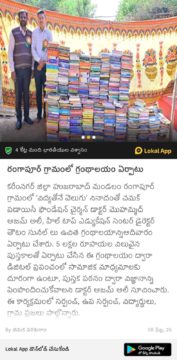
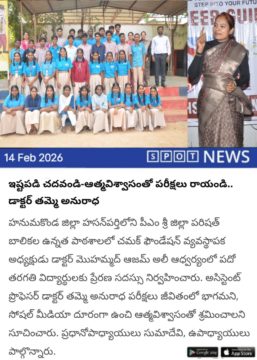
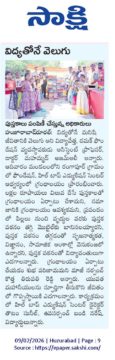
The Foundation is actively engaged in supporting students across government schools, Kasturba Gandhi Balika Vidyalayas, and government degree colleges through a range of structured initiatives. These include career guidance programmes designed to provide academic direction, personality development training aimed at strengthening communication and interpersonal skills, and the establishment of rural libraries to improve access to learning resources.
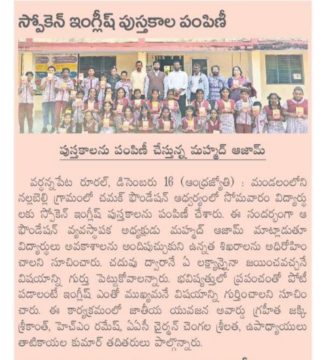
In addition, the Foundation conducts awareness seminars on competitive examinations to enhance academic preparedness, along with educational workshops and capacity-building programmes intended to foster intellectual growth and long-term educational aspiration among students. Through these initiatives, Chamak Foundation functions as a platform for educational empowerment, aiming to bridge opportunity gaps and promote equitable access to learning, thereby contributing to the broader objective of social development through education.
For More Info: https://www.chamakfoundation.org/
National and International Recognition for Exemplary Service and Social Contributions of Dr Mohammad Azam Ali
Dr Mohammad Azam Ali has been the recipient of numerous prestigious awards and recognitions at state, national, and international levels, reflecting his sustained commitment to social service, educational empowerment, and community development.
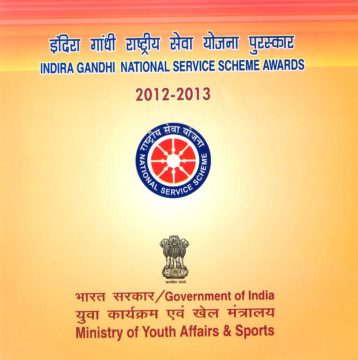
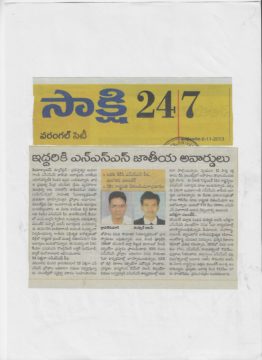
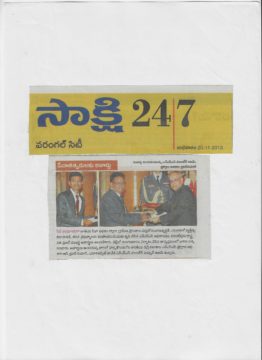
| Indira Gandhi National Best Volunteer Award (2012) |
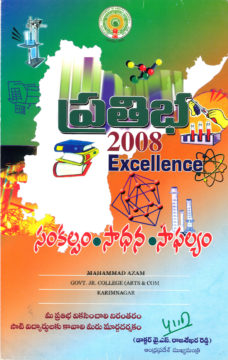
| Andhra Pradesh State Excellence Award (2008) |
| Andhra Pradesh State Best Volunteer Award (2012) |
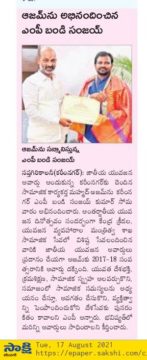
| Maulana Azad National Award (2018) |
| Rashtriya Gaurav Samman Award (2018) |
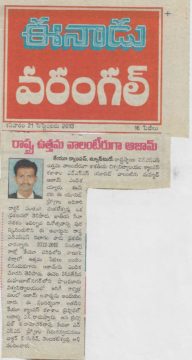
| National Best Youth Award (2017) |
| United Nations Environment Hero Award (2019) |
| Ideal Teacher Award (2021) |
| Mahatma Gandhi National Goodwill Award (2023) |
HNO: 7-2-699/A/1, Land Mark: Gopal Rao Building, Village: Mankammatota, Mandal: Karimnagar, District: Karimnagar, Constituency: Karimnagar, State: Telangana, Pincode: 505001
Email: [email protected]
Mobile: 9866129052, 9440549266
Dr. Mohammad Azam Ali with Prominent Leaders
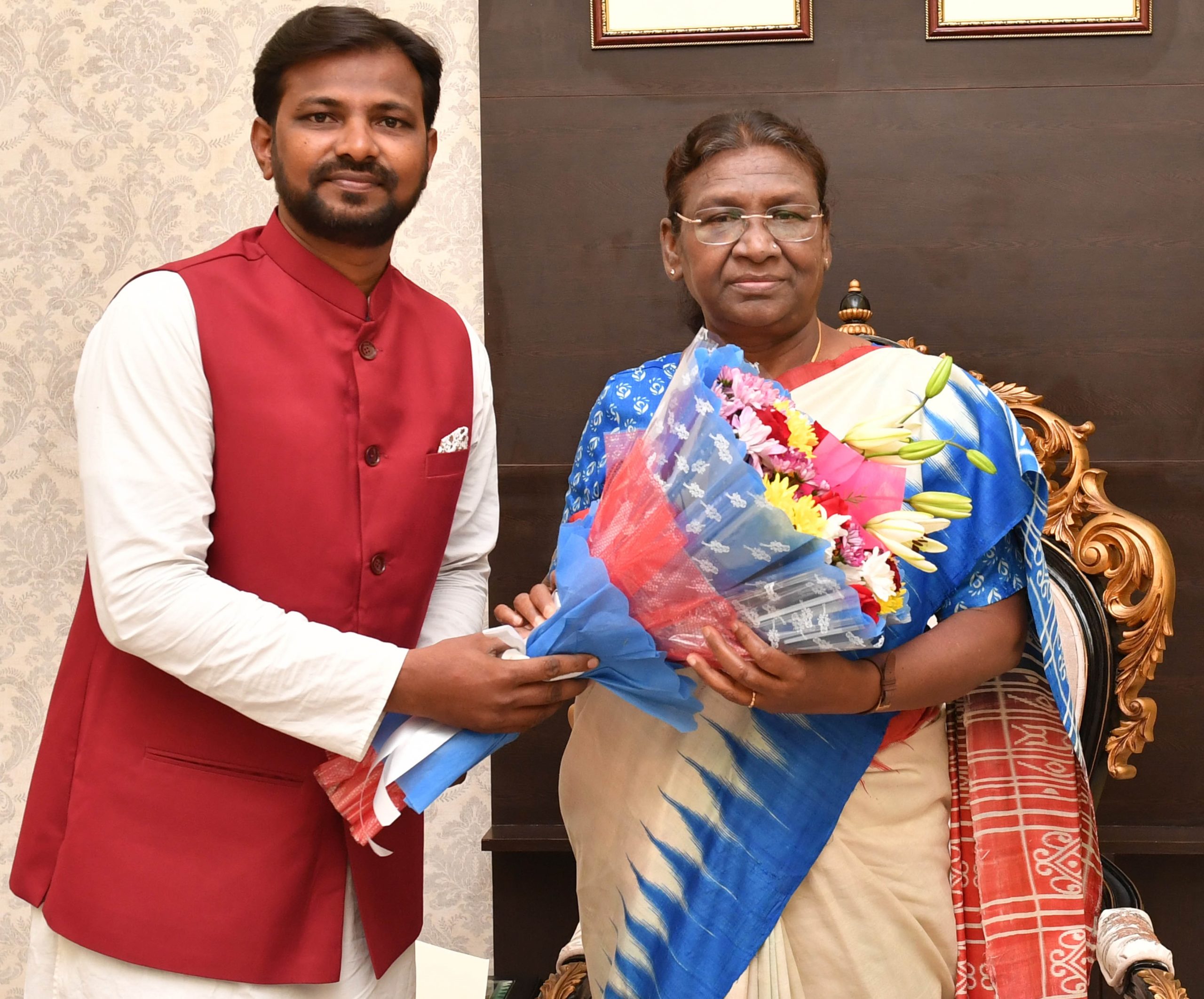
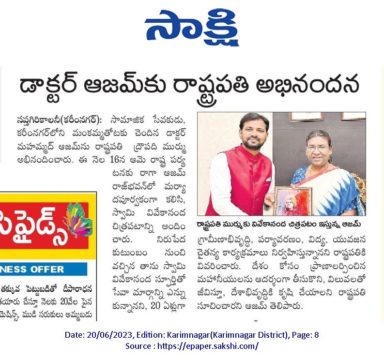
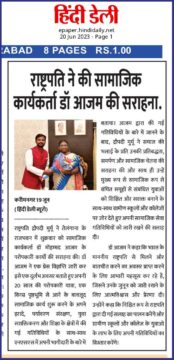
భారత రాష్ట్రపతి శ్రీమతి ద్రౌపది ముర్ము గారిని మర్యాదపూర్వకంగా కలిసి పుష్పగుచ్చాన్ని అందిస్తున్న డాక్టర్ మొహమ్మద్ ఆజమ్ అలీ గారు.
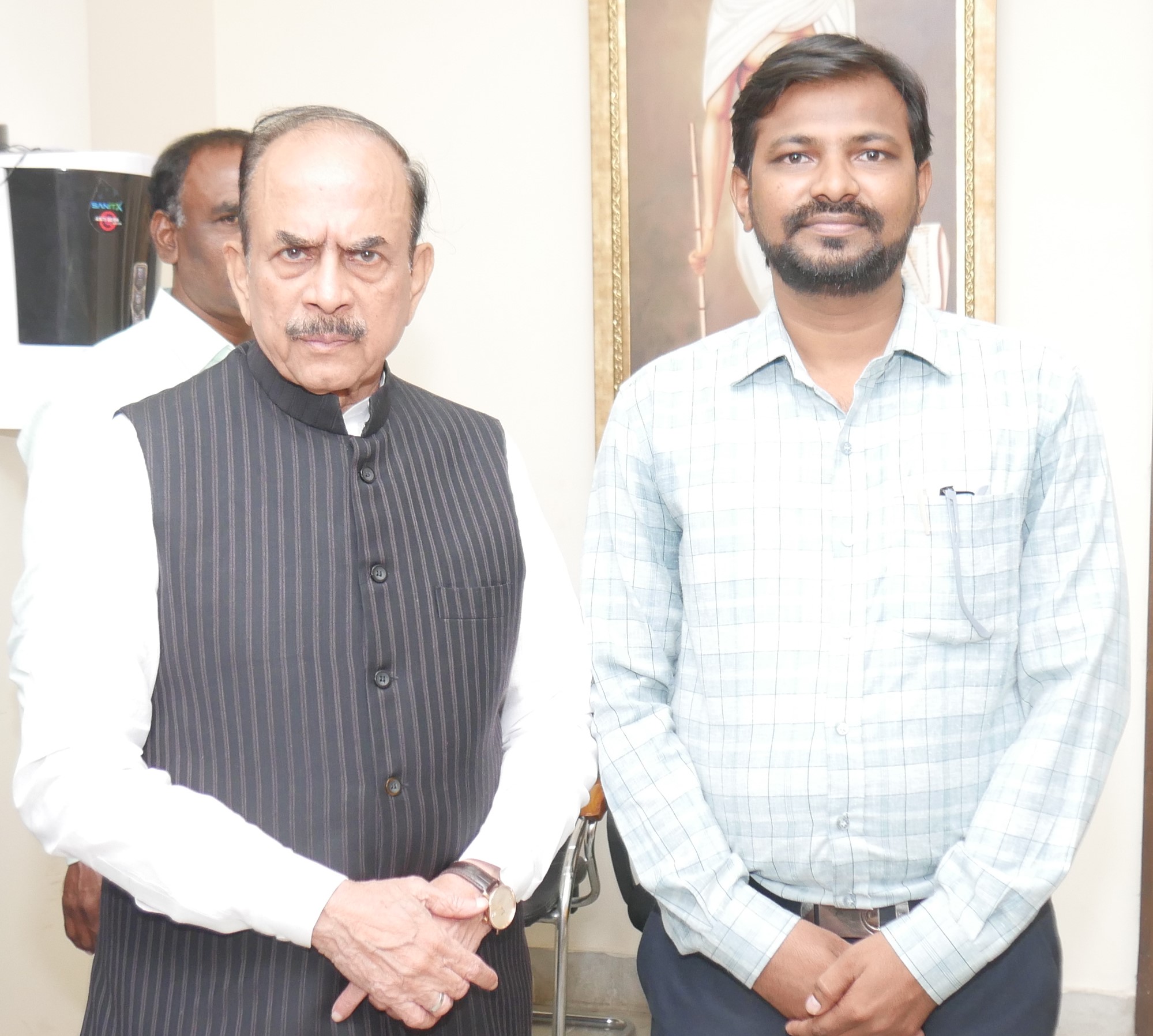
అప్పటి తెలంగాణ రాష్ట్ర హోం మంత్రి గౌ. మహమ్మద్ మహమూద్ అలీ గారిని మర్యాదపూర్వకంగా కలిసిన డాక్టర్ మొహమ్మద్ ఆజమ్ అలీ గారు.
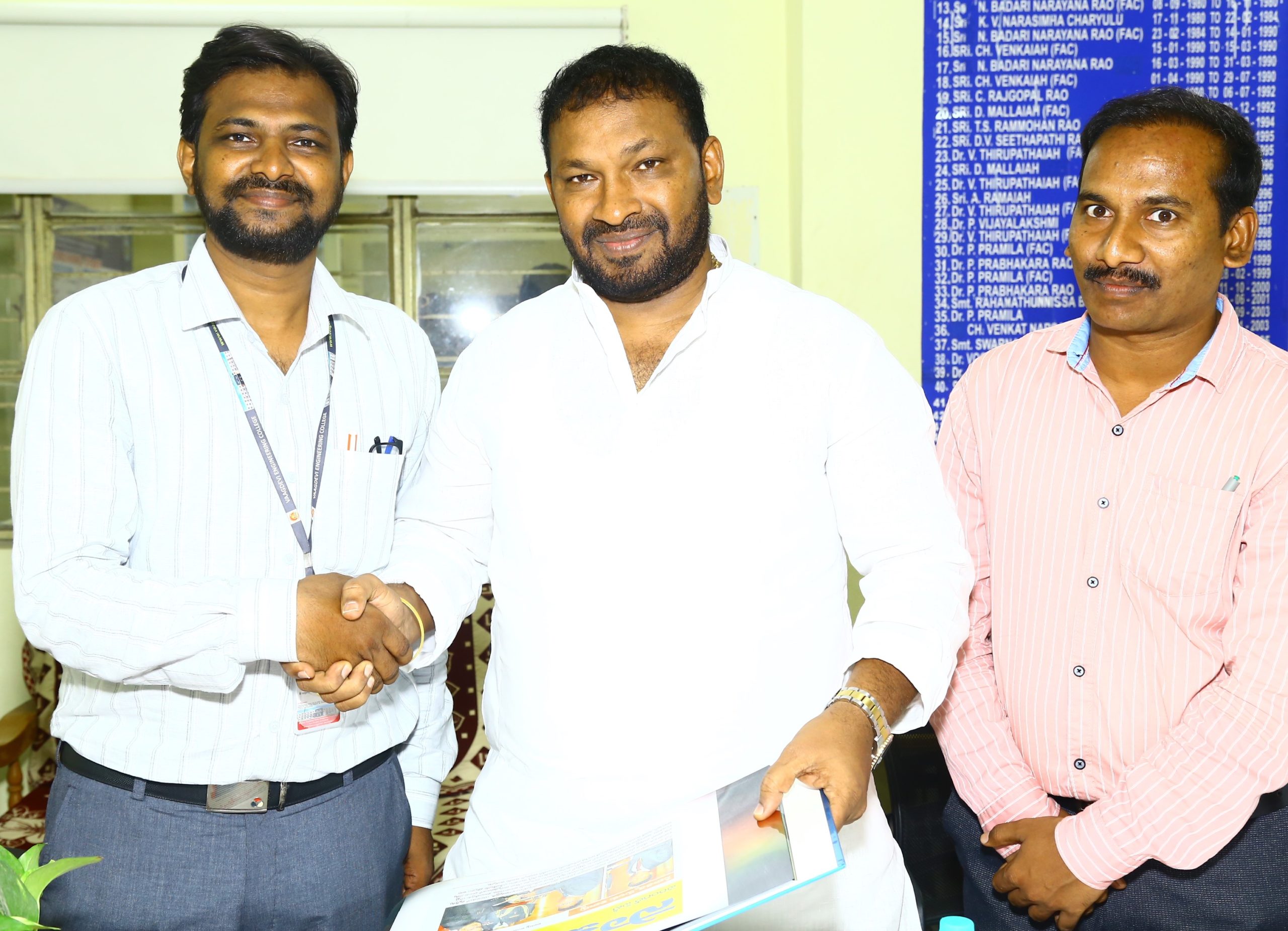
అప్పటి వరంగల్ పార్లమెంట్ సభ్యులు శ్రీ పసునూరి దయాకర్ గారిని మర్యాదపూర్వకంగా కలిసిన డాక్టర్ మొహమ్మద్ ఆజమ్ అలీ గారు.
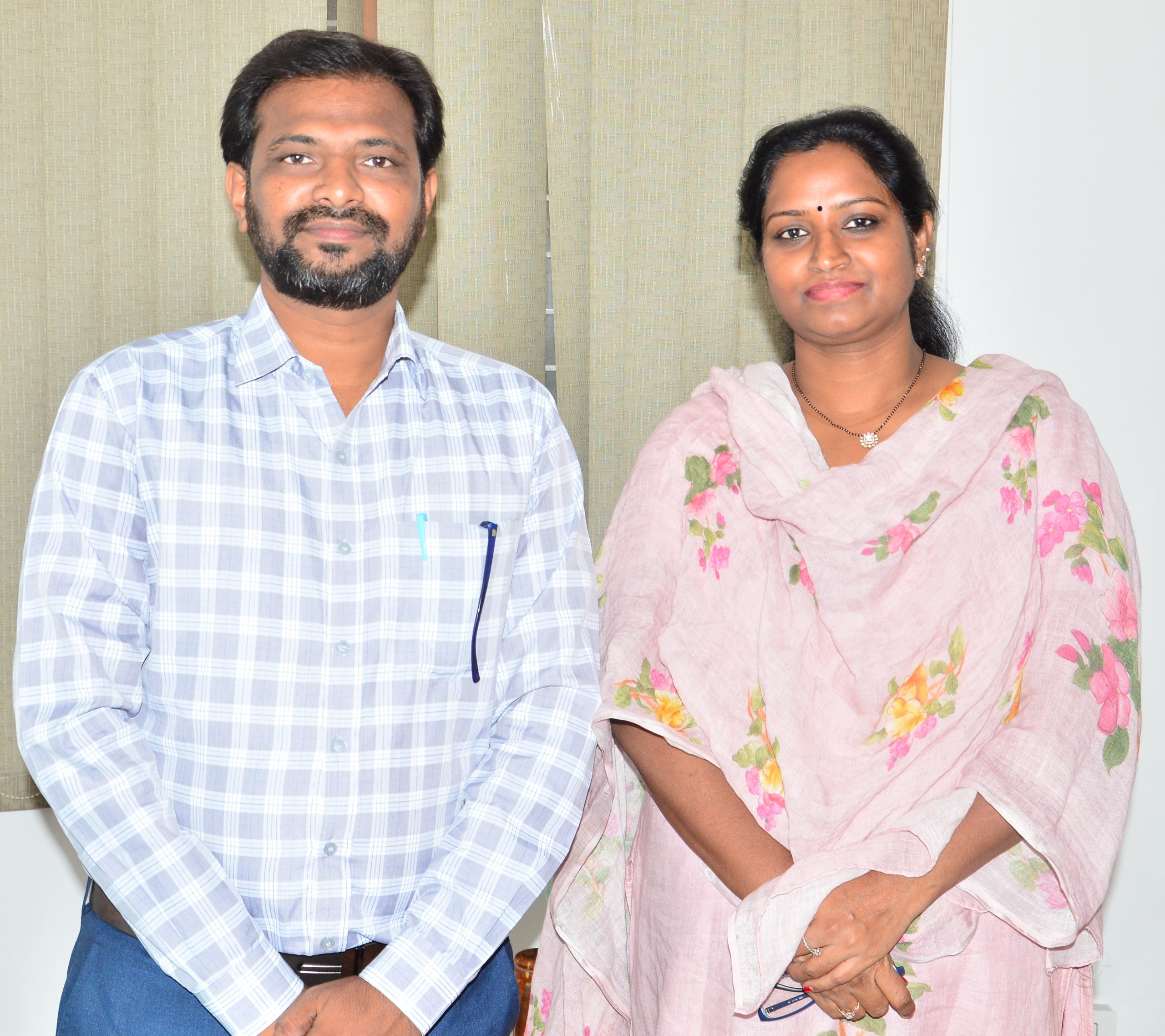
వరంగల్ పార్లమెంట్ సభ్యులు శ్రీమతి డాక్టర్ కడియం కావ్య గారిని మర్యాదపూర్వకంగా కలిసిన డాక్టర్ మొహమ్మద్ ఆజమ్ అలీ గారు.
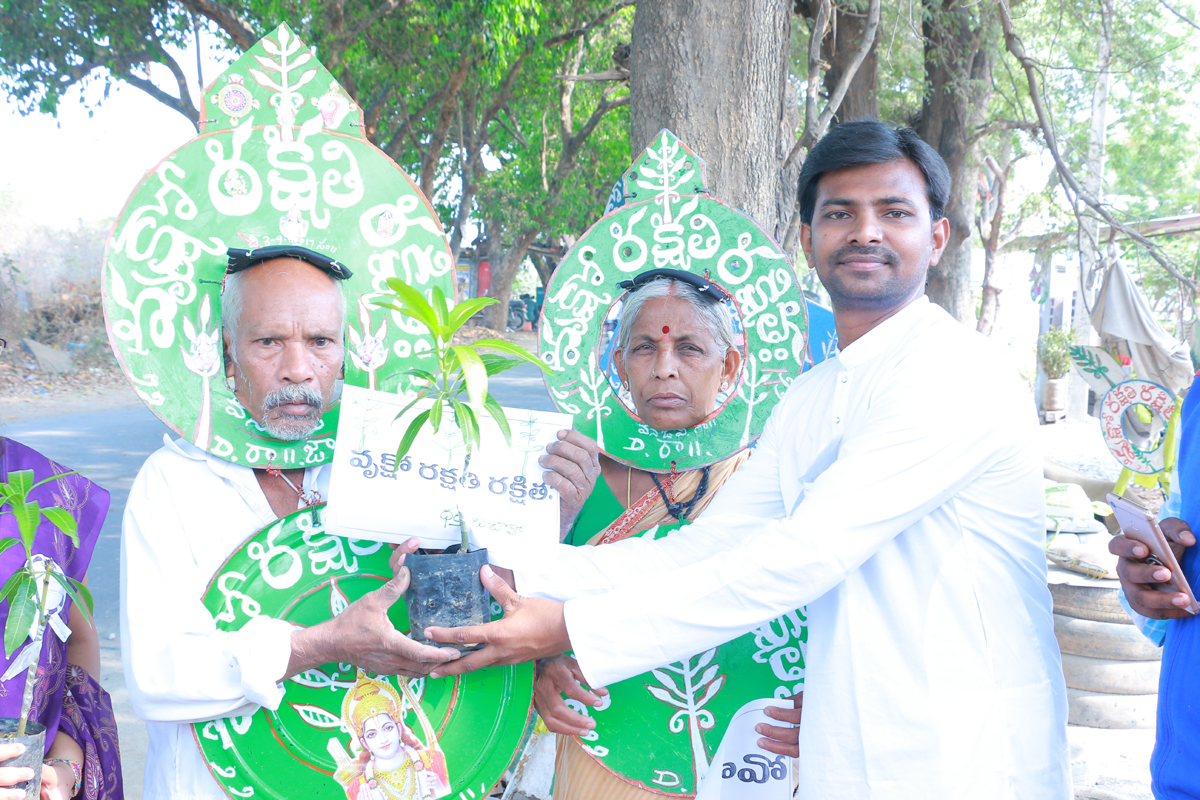
పద్మశ్రీ పురస్కార గ్రహీత శ్రీ వనజీవి దరిపల్లి రామయ్య గారిని సవినయముగా కలిసిన డాక్టర్ మొహమ్మద్ ఆజమ్ అలీగారు.
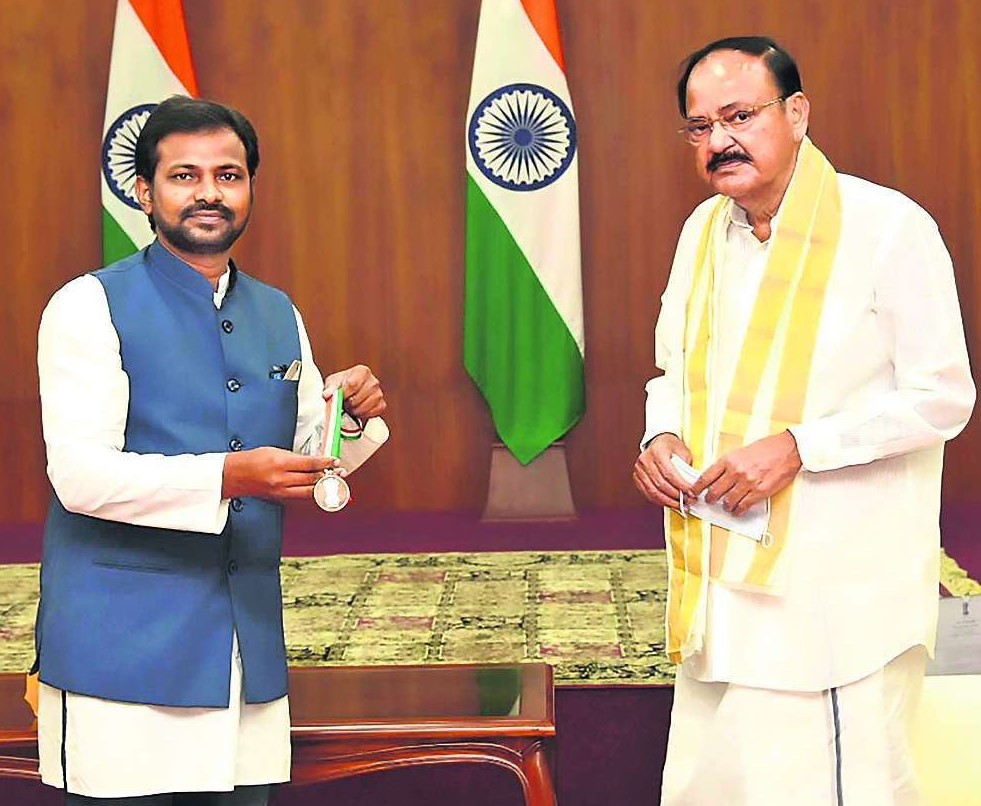
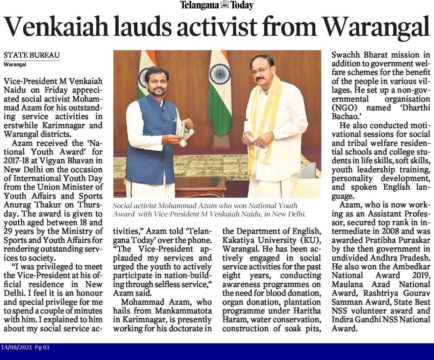
డాక్టర్ మొహమ్మద్ ఆజమ్ అలీ గారిని అభినందిస్తున్న అప్పటి భారత ఉపరాష్ట్రపతి శ్రీ ముప్పవరపు వెంకయ్య నాయుడు గారు.
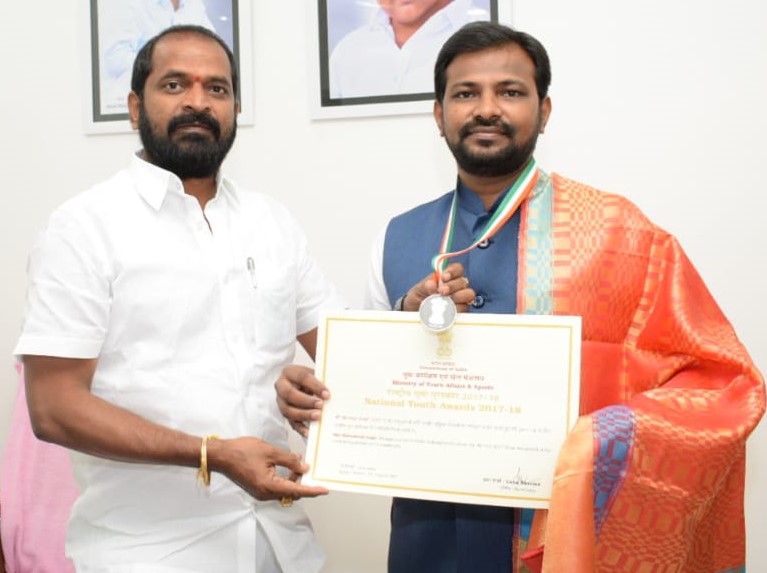
జాతీయ యువజన అవార్డు సాధించినటువంటి డాక్టర్ మొహమ్మద్ ఆజమ్ అలీ గారిని అభినందిస్తున్న అప్పటి తెలంగాణ రాష్ట్ర యువజన క్రీడా శాఖ మంత్రి శ్రీ శ్రీనివాస్ గౌడ్ గారు.
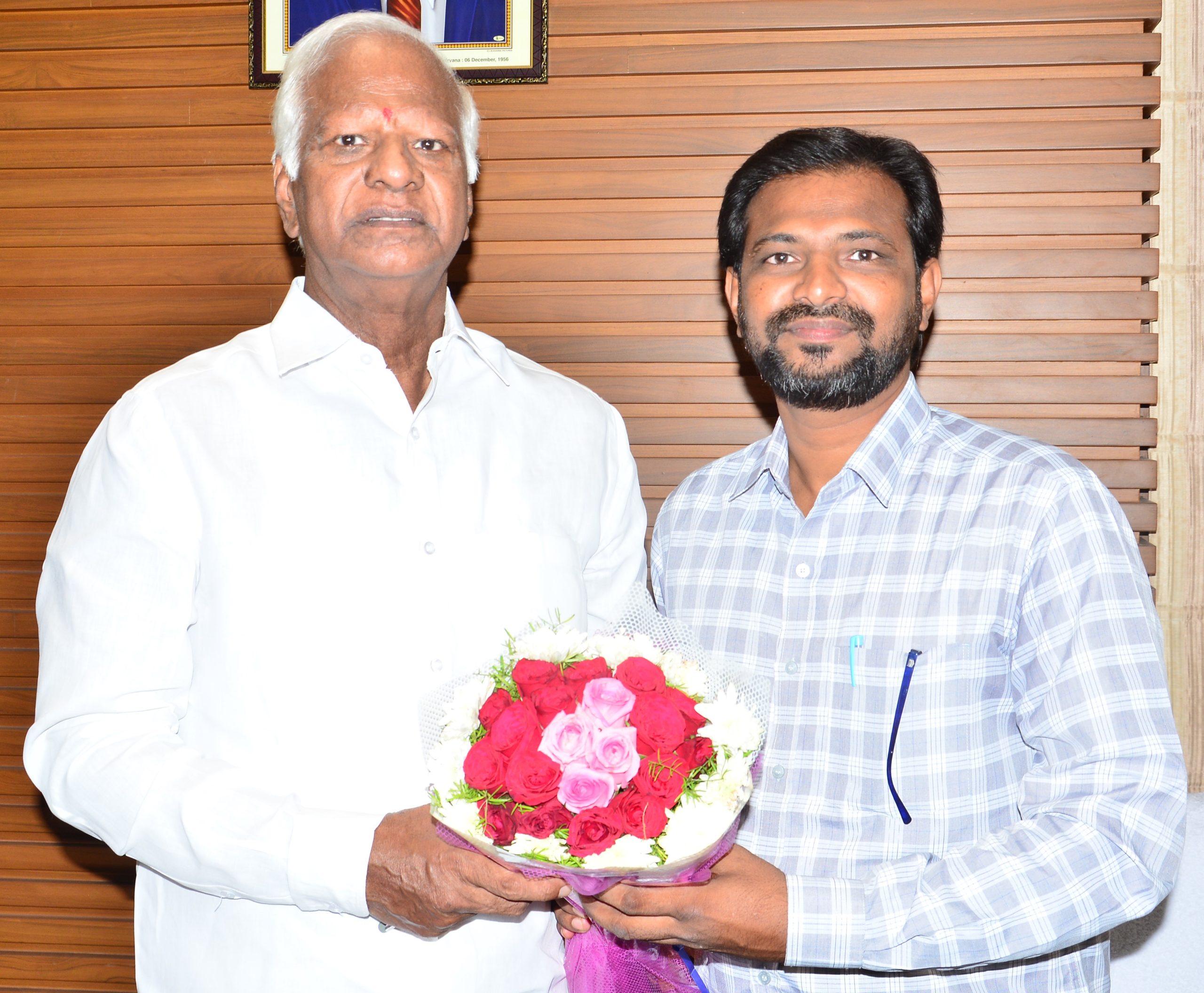
తెలంగాణ రాష్ట్ర జనగామ శాసనసభ్యులు శ్రీ కడియం శ్రీహరి గారిని గౌరవప్రదంగా కలుసుకున్న డాక్టర్ మొహమ్మద్ ఆజమ్ అలీ గారు.
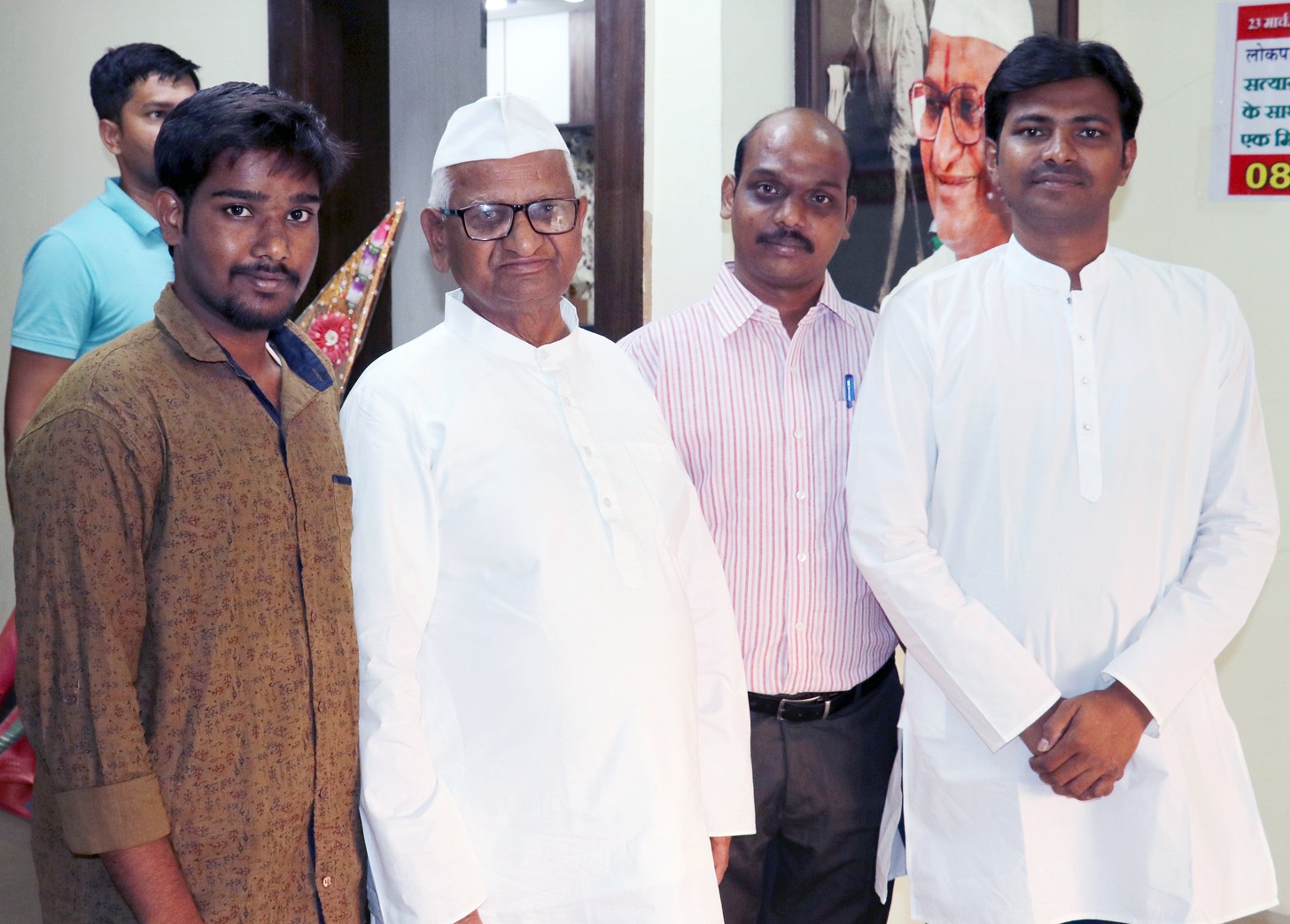
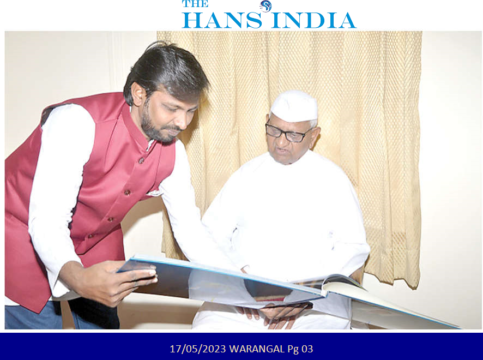
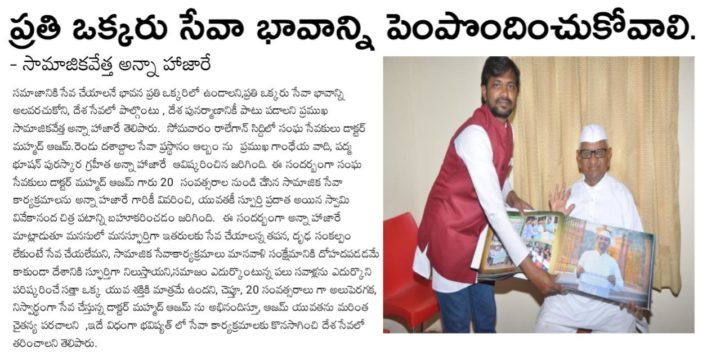
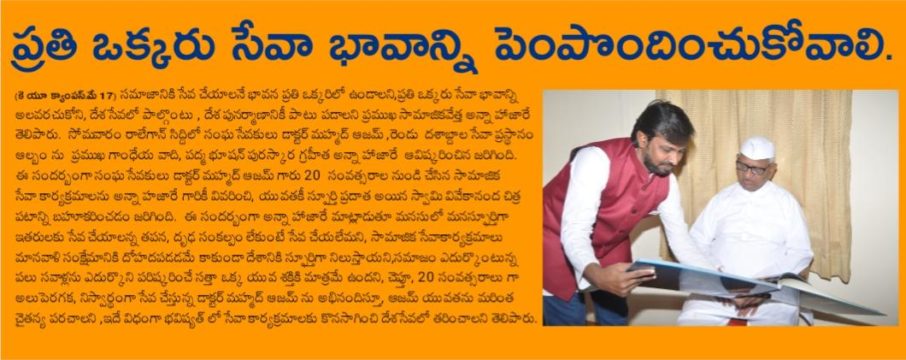
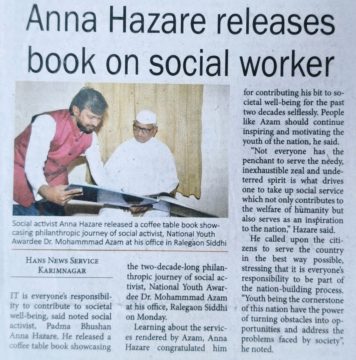
అవినీతి వ్యతిరేక ఉద్యమకారులు సామాజికవేత్త అన్నా హజారే గారిని కలిసిన సందర్భంగా.
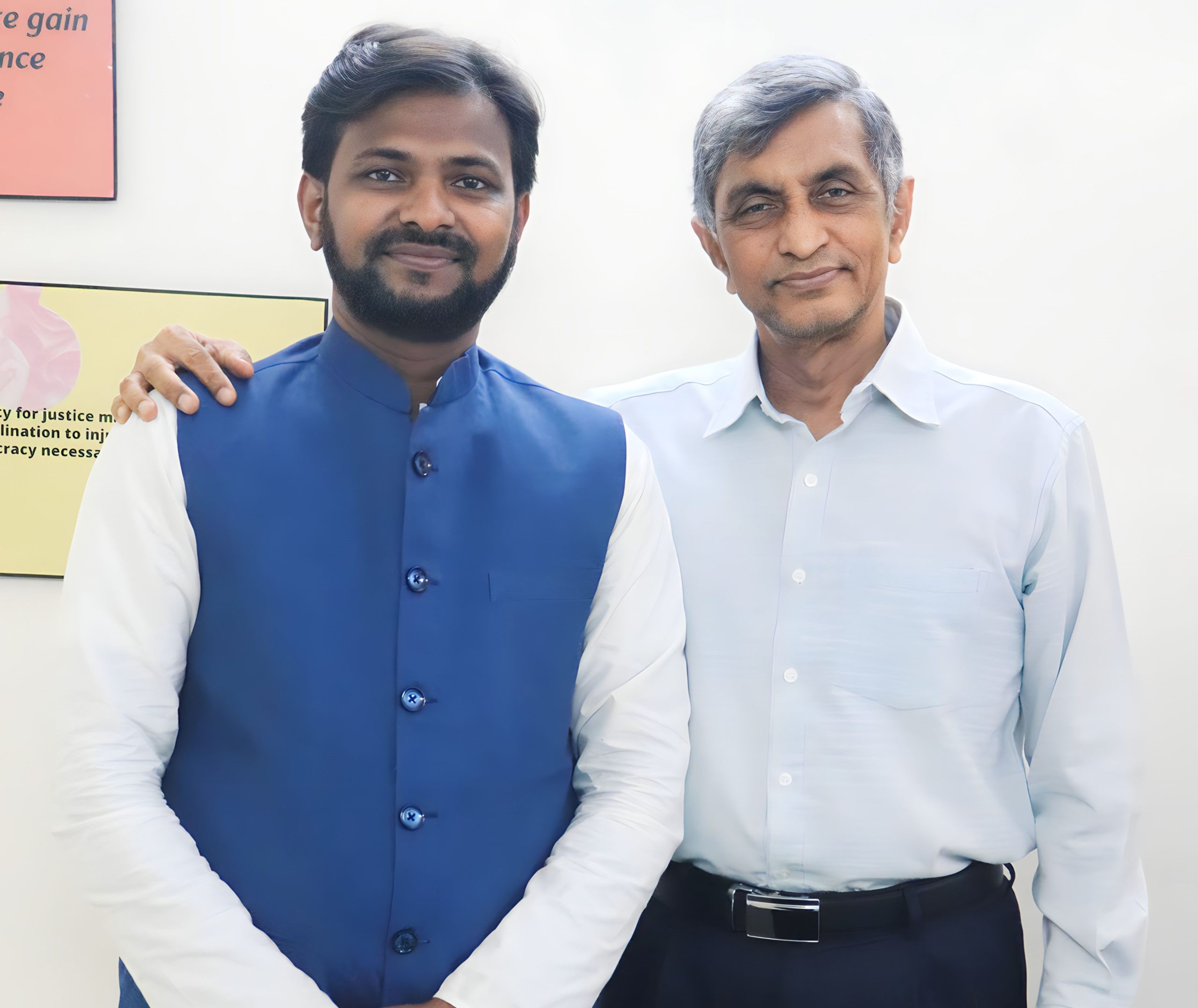
లోక్ సత్తా వ్యవస్థాపకులు శ్రీ డాక్టర్ జయప్రకాశ్ నారాయణ గారిని గౌరవపూర్వకముగా కలవడం జరిగింది
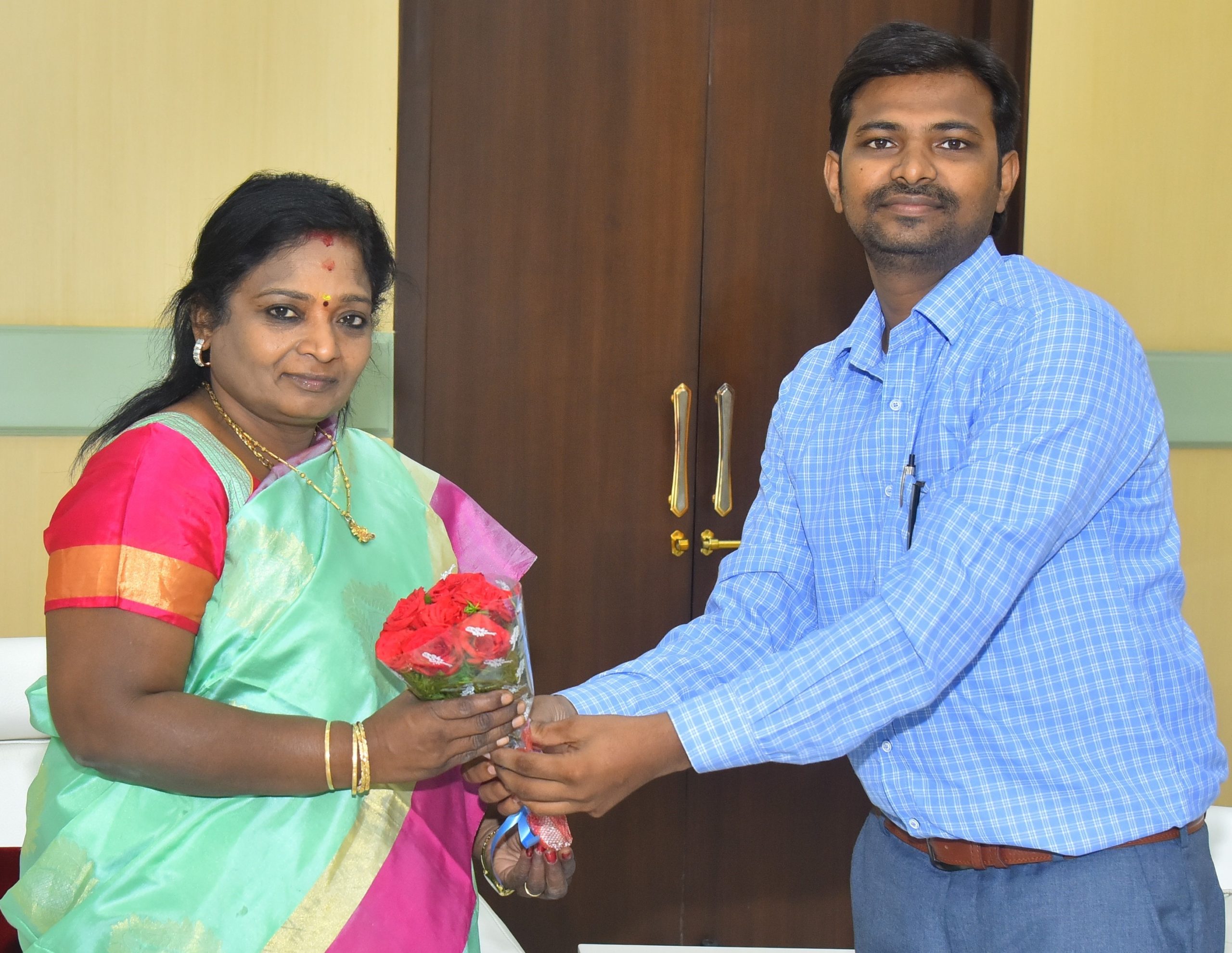
అప్పటి తెలంగాణ రాష్ట్ర గవర్నర్ తమిళిసై శ్రీ సౌందరరాజన్ గారిని గౌరవప్రదంగా కలిసిన డాక్టర్ మొహమ్మద్ ఆజమ్ అలీ గారు.
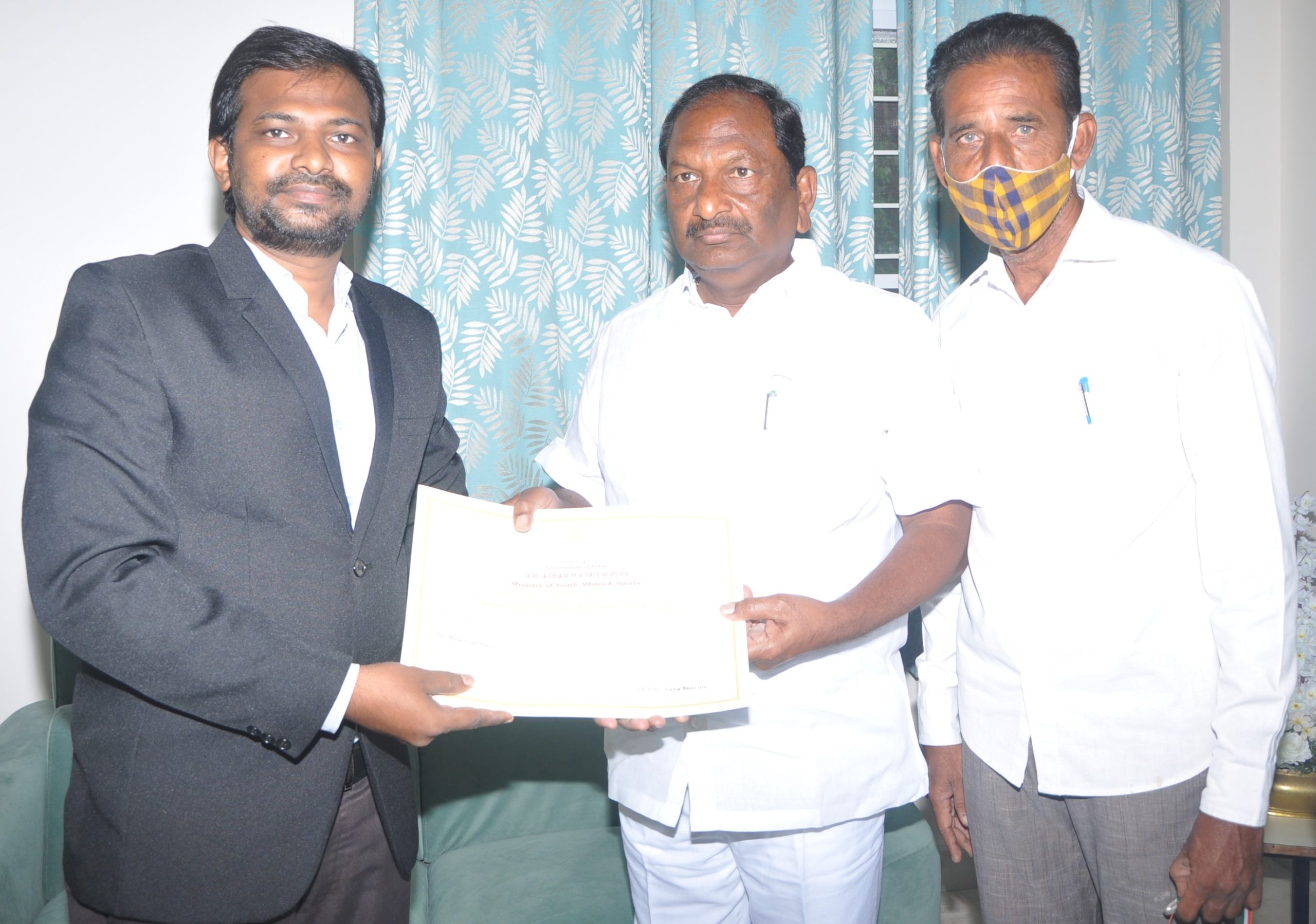
జాతీయ యువజన వార్డు సాధించిన డాక్టర్ మొహమ్మద్ ఆజమ్ అలీ గారిని అభినందిస్తున్న అప్పటి తెలంగాణ రాష్ట్ర మైనారిటీ శాఖ మంత్రివర్యులు శ్రీ కొప్పుల ఈశ్వర్ గారు.
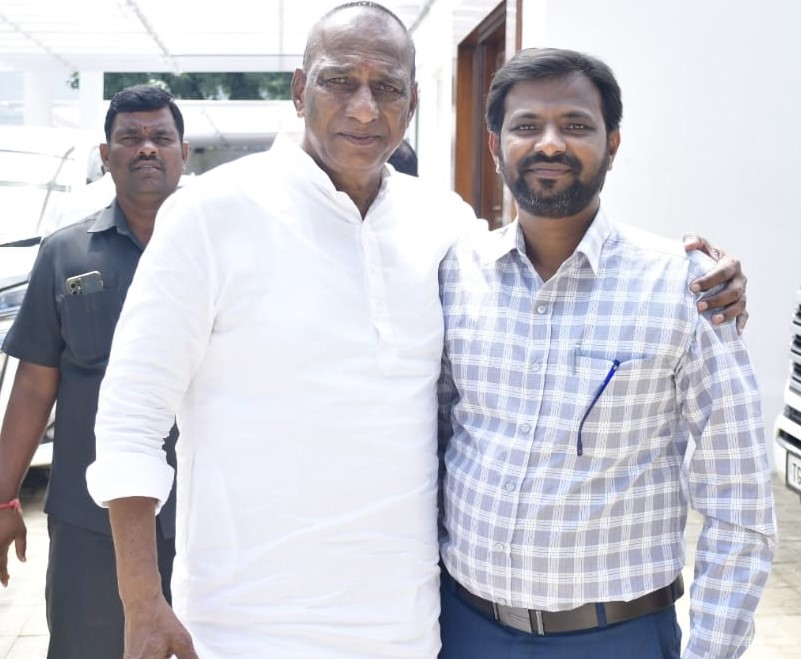
అప్పటి తెలంగాణ రాష్ట్ర కార్మిక శాఖ మంత్రి శ్రీ మల్లారెడ్డి గారిని మర్యాదపూర్వకంగా కలిసిన డాక్టర్ మొహమ్మద్ ఆజమ్ అలీ గారు.
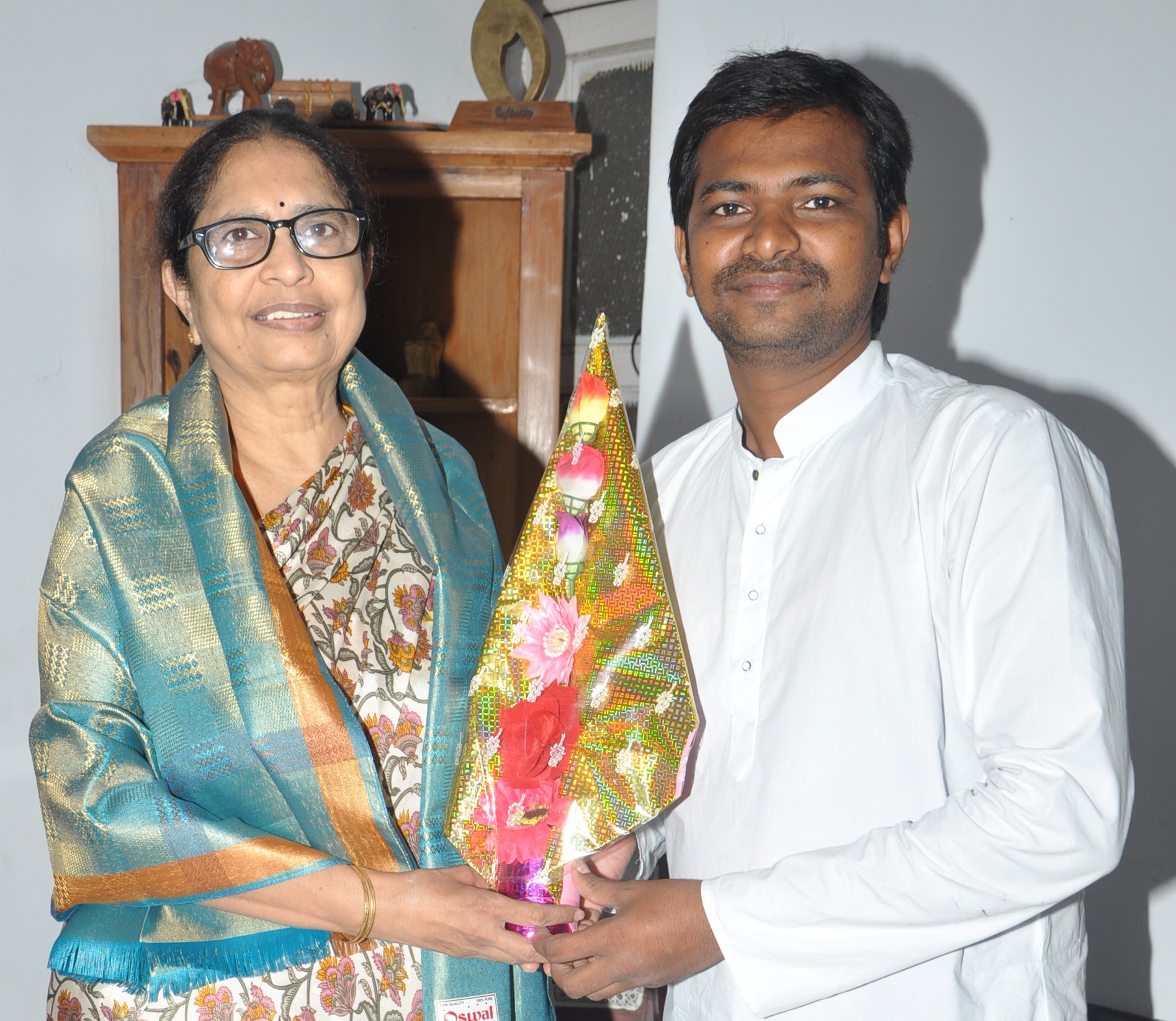
రామన్ మెగాసేసే అవార్డు గ్రహీత ప్రొఫెసర్ గౌ. శాంతా సిన్హా గారిని గౌరవప్రదంగా కలుసుకున్న డాక్టర్ మొహమ్మద్ ఆజమ్ అలీ గారు.
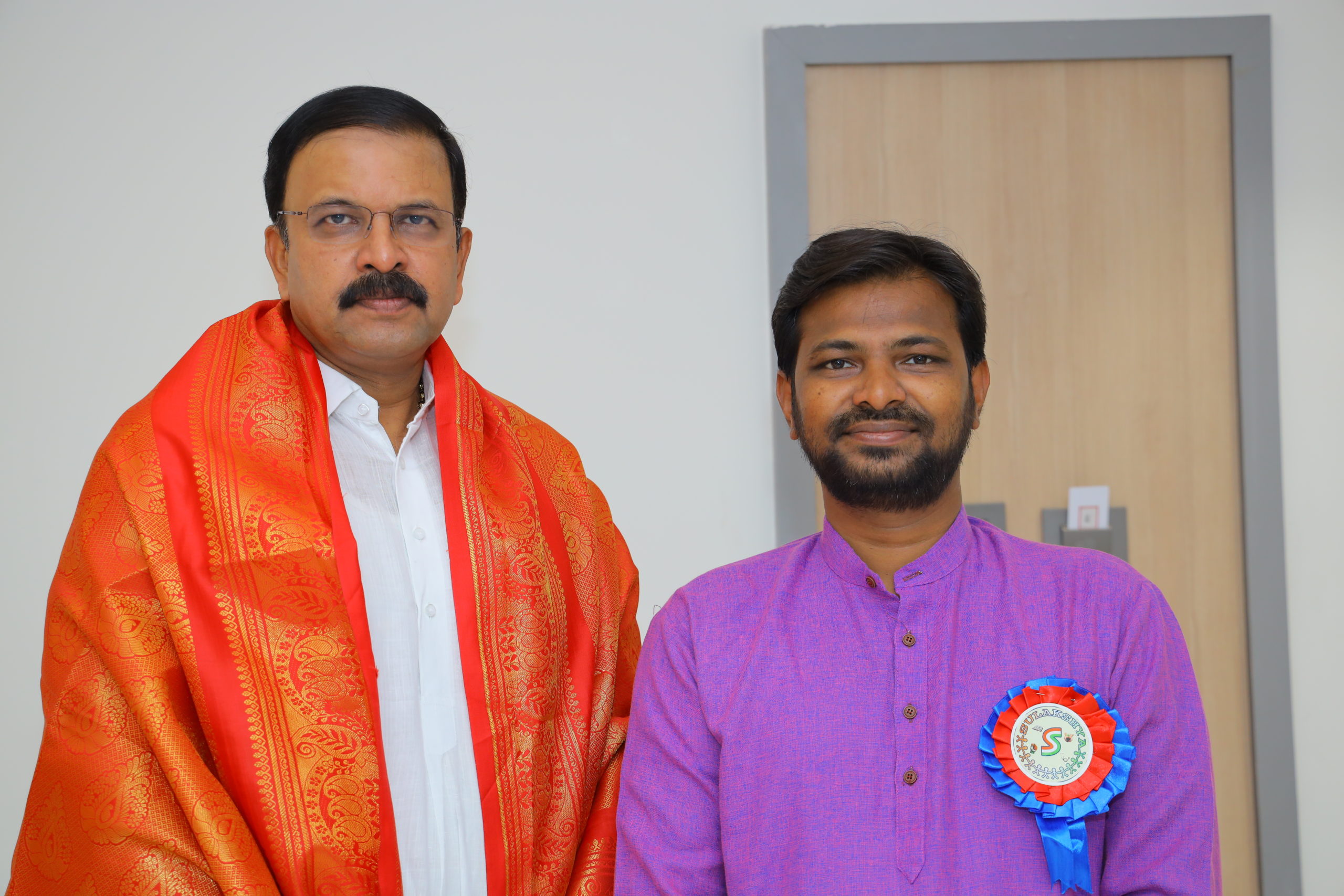
జై భారత్ పార్టీ అధినేత మరియు పూర్వ సిబిఐ జెడి శ్రీ వివి లక్ష్మీనారాయణ గారిని గౌరవపూర్వకముగా కలవడం జరిగింది.
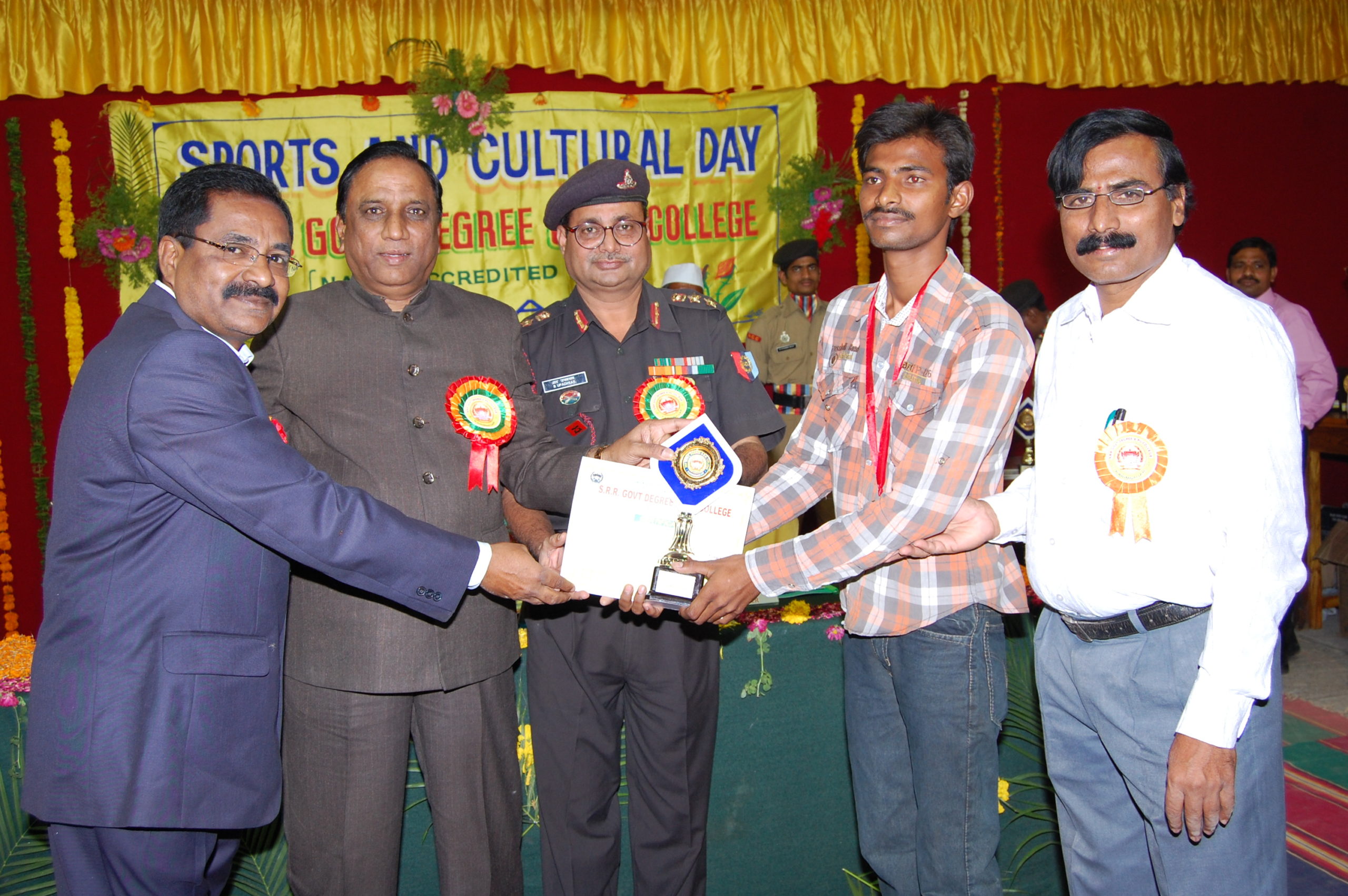
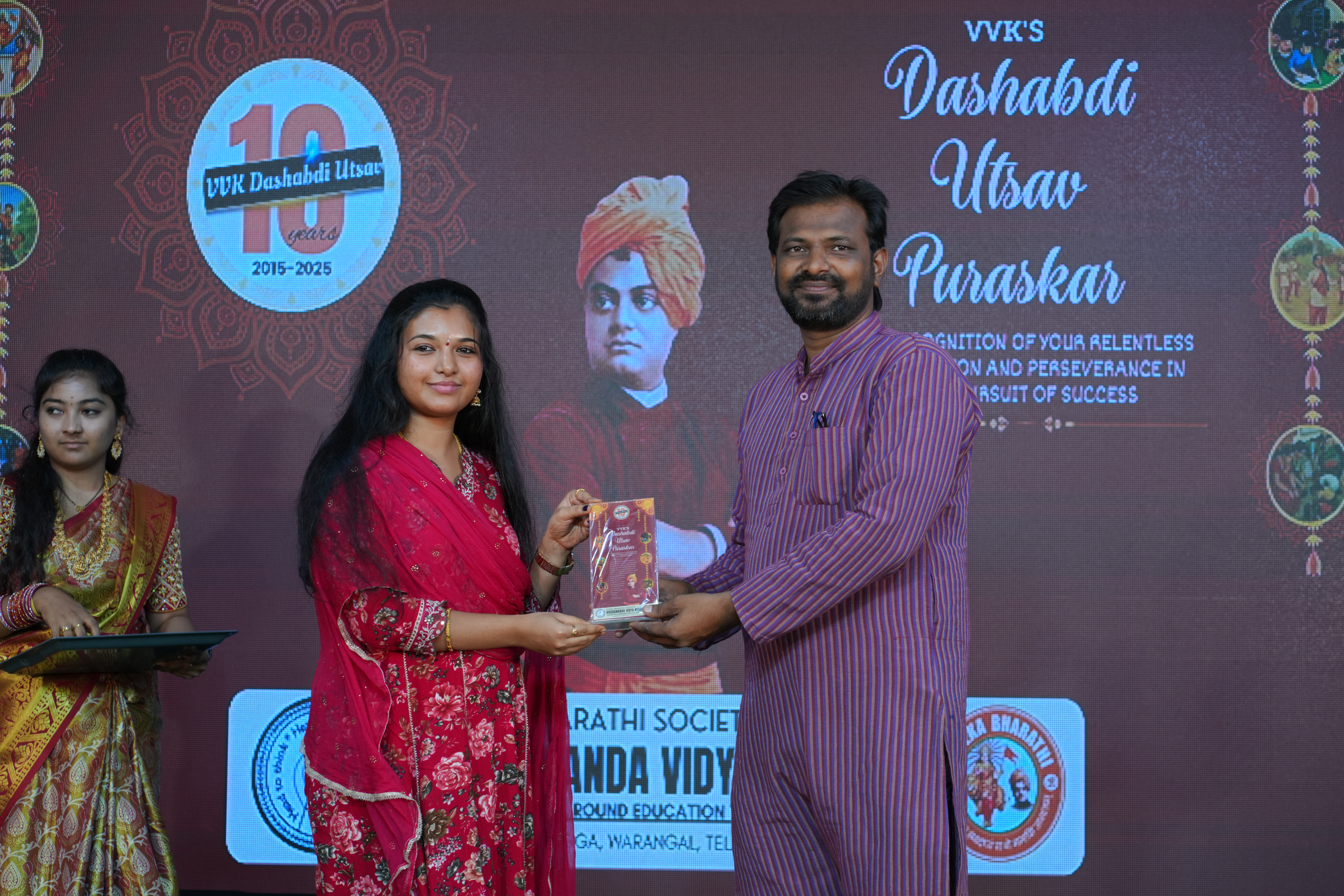
Honors & Recognitions of Dr Mohammad Azam Ali
Active Participation in Major Activities
Driving Change Through Awareness: Initiatives by Dr Mohammad Azam Ali
Awards and Distinctions
Accolades and Achievements
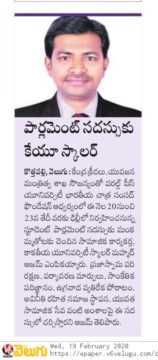
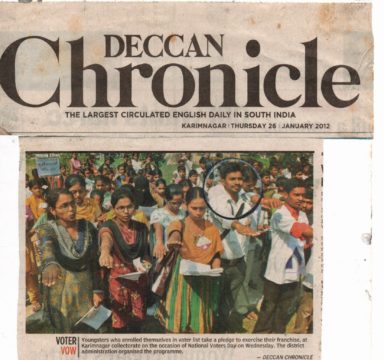
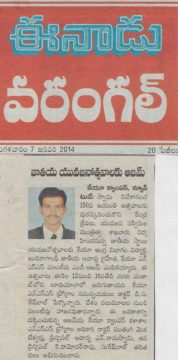
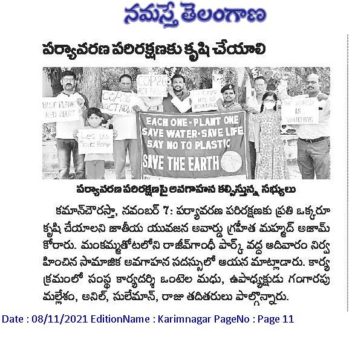
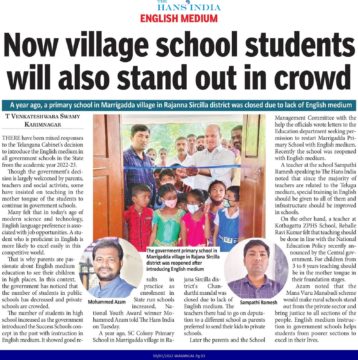
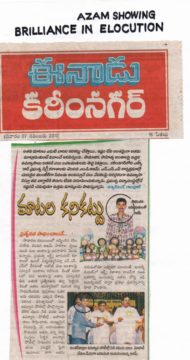
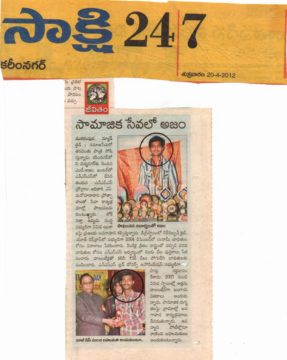
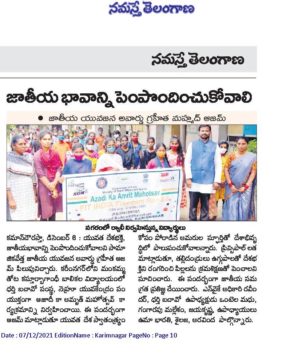
In the News

Village:Mankammatota, Mandal: Karimnagar, District: Karimnagar, State: Telangana, Pincode:505001
Email: [email protected]
Mobile: 9440549266 , 9866129052
+9866129052 , 9440549266